How to Say "unique" in Spanish
The most common Spanish word for “unique” is “único” — use 'único' when emphasizing that something is the only one of its kind, or has a special quality that sets it apart from all others.

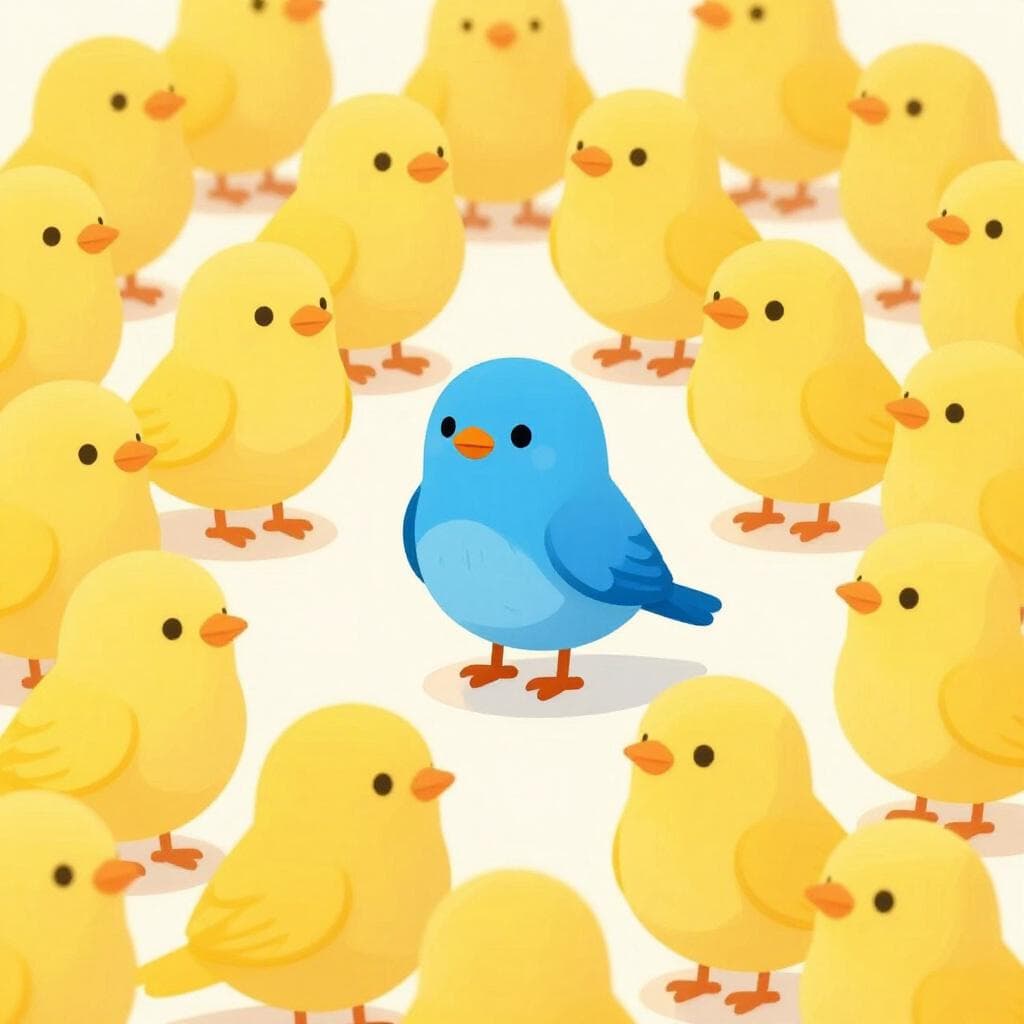

único
Examples
Este artista tiene un estilo único.
This artist has a unique style.
original
oh-ree-hee-NALoɾixiˈnal

Examples
Su estilo de pintura es muy original y fácil de reconocer.
Her painting style is very unique and easy to recognize.
Me encanta el regalo, es un detalle muy original.
I love the gift, it's a very creative/thoughtful detail.
singular
seen-goo-LARsiŋɡuˈlaɾ
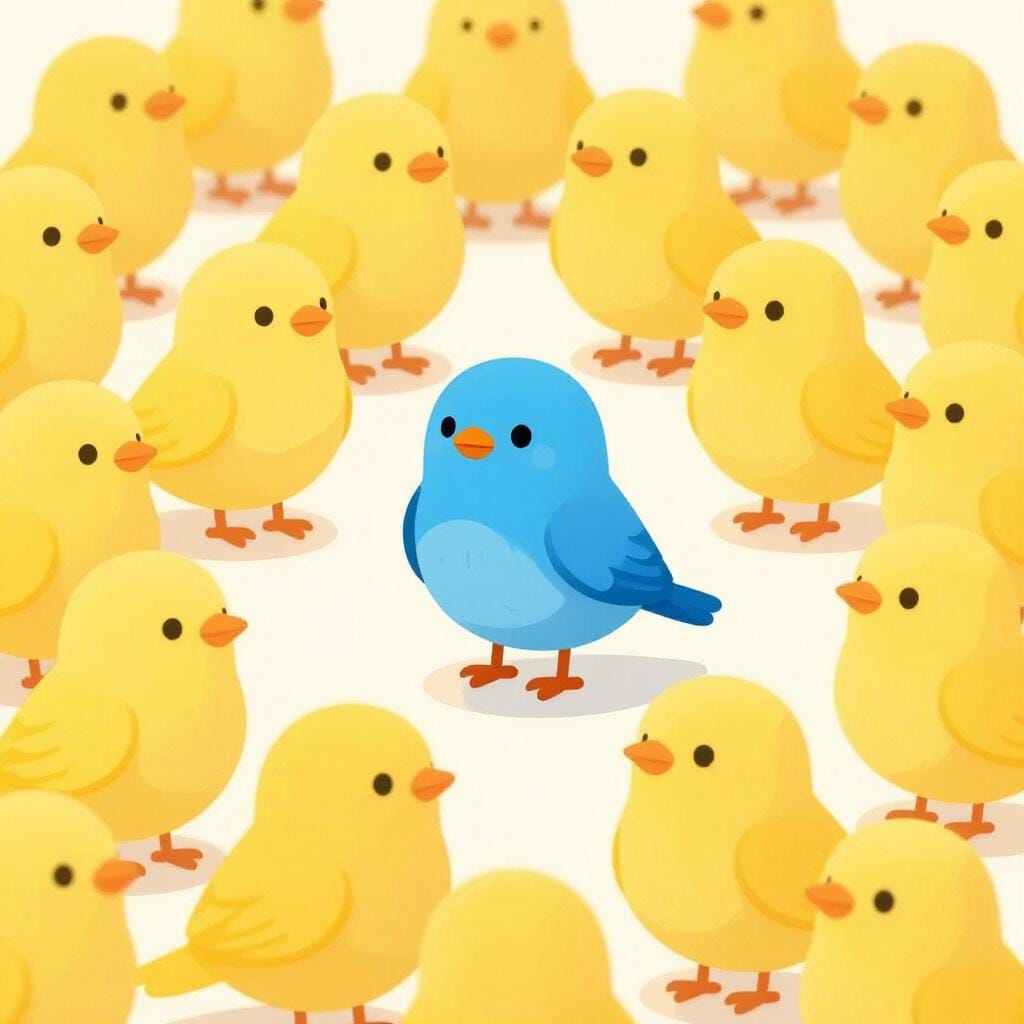
Examples
Ella tiene un talento singular para la pintura.
She has a unique talent for painting.
Fue un suceso singular que nadie pudo explicar.
It was an extraordinary event that no one could explain.
Es una persona de una belleza singular.
She is a person of remarkable beauty.
One word for both genders
This word stays the same whether you are describing a masculine or feminine thing. You say 'un niño singular' and 'una niña singular'.
Placement for emphasis
When you put 'singular' after a noun, it usually means 'unique' or 'special.' If you were to put it before (less common), it sounds very poetic.
Don't add an 'a' for feminine
Mistake: “una idea singulara”
Correction: una idea singular. Words ending in -ar don't change to -a for feminine things.
peculiar
peh-koo-lyahrpe.kuˈljaɾ

Examples
Este plato tiene un sabor peculiar pero muy rico.
This dish has a peculiar but very delicious taste.
Es una costumbre peculiar de esta región de España.
It is a custom peculiar to this region of Spain.
Su estilo de pintura es muy peculiar y fácil de reconocer.
His painting style is very distinctive and easy to recognize.
One Form for Everyone
This word doesn't change its ending based on gender. You can say 'un hombre peculiar' or 'una mujer peculiar' without changing a single letter.
Plural Rules
To make this word plural, just add '-es' to the end: 'peculiares'. Use it for groups of things or people.
The 'A' Trap
Mistake: “Using 'peculiara' for feminine things.”
Correction: Always use 'peculiar' for both masculine and feminine. Say 'la idea peculiar,' not 'la idea peculiara'.
Único vs. Original
Related Translations
Learn Spanish with Inklingo
Interactive stories, personalized learning, and more.