How to Say "utilized" in Spanish
The most common Spanish word for “utilized” is “utilizado” — use this word when referring to something that has been put to practical use, especially when describing an object that is not new but still functional, like a 'used car'.

Use this word when referring to something that has been put to practical use, especially when describing an object that is not new but still functional, like a 'used car'.
Learn more →This is the past tense verb form, meaning 'used' or 'utilized', often implying a deliberate action of putting something to work or employing a method.
Learn more →
Choose this word when 'utilized' refers to time, effort, or resources that have been spent or allocated to a particular task or project.
Learn more →
Use this word when 'utilized' implies that something has been used extensively and may be worn out or no longer in prime condition.
Learn more →u-ti-li-THA-dou.ti.liˈθa.ðo

Examples
Compramos un coche utilizado, pero está en muy buen estado.
We bought a used car, but it's in very good condition.
El material utilizado para la construcción es reciclado.
The material utilized for the construction is recycled.
Necesitas la herramienta utilizada en el taller.
You need the tool used in the workshop.
Matching the Noun
As an adjective, 'utilizado' must change its ending to match the thing it describes. If the noun is feminine (la herramienta), you must say 'utilizada'.
Forgetting Gender Change
Mistake: “La computadora utilizado.”
Correction: La computadora utilizada. Remember that adjectives must agree with the noun they modify.
utilizó
Examples
Ella utilizó una brújula para encontrar el camino.
She used a compass to find the way.
em-pleh-AH-dohem.pleˈa.ðo

Examples
El tiempo empleado en este proyecto fue mínimo.
The time used (or spent) on this project was minimal.
Las técnicas empleadas son muy avanzadas.
The techniques used are very advanced.
Él está empleado en una gran compañía de tecnología.
He is employed at a large technology company.
Agreement is Key
As an adjective, 'empleado' must change its ending to match the noun it describes in both number (singular/plural) and gender (masculine/feminine). Example: 'la herramienta empleada' (the tool used).
Origin as a Verb Form
'Empleado' is the 'past participle' of the verb 'emplear' (to use/to employ). This means it can also be combined with 'haber' to form perfect tenses: 'Hemos empleado mucho esfuerzo' (We have used a lot of effort).
Forgetting Agreement
Mistake: “Saying 'las horas empleado' (incorrect agreement).”
Correction: It must agree with 'horas' (feminine plural): 'las horas empleadas'.
oo-SAH-dohuˈsaðo
Examples
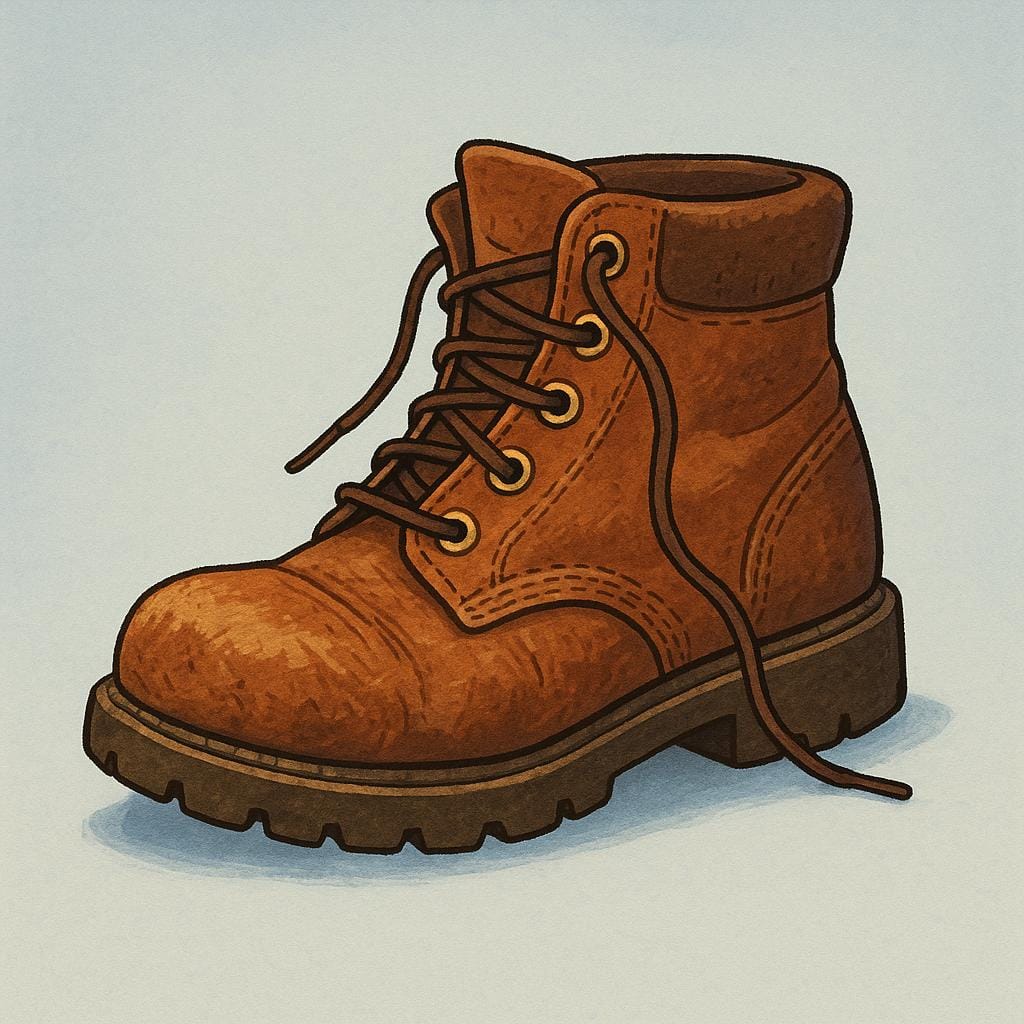
Esta alfombra está muy usada; deberíamos reemplazarla.
This rug is very worn out; we should replace it.
Los procedimientos usados en el experimento fueron incorrectos.
The procedures utilized in the experiment were incorrect.
Estoy usado a levantarme temprano.
I am accustomed to getting up early. (Regional/less common alternative to 'acostumbrado')
Participle in Compound Tenses
'Usado' is the form needed to create perfect tenses, like the present perfect: 'Hemos usado' (We have used) or the past perfect: 'Habíamos usado' (We had used).
Confusing Ser and Estar
Mistake: “Saying 'El libro es usado' when you mean it is currently worn out.”
Correction: Use 'ser' (El libro es usado) only to state that the book's permanent status is 'second-hand.' Use 'estar' (El libro está usado) to describe its current, worn condition.
Utilizado vs. Usado
Learners often confuse 'utilizado' and 'usado'. Remember that 'utilizado' usually implies practical function (like a used car that works well), while 'usado' can suggest something is worn out from use.
Related Translations
Learn Spanish with Inklingo
Interactive stories, personalized learning, and more.