How to Say "worn" in Spanish
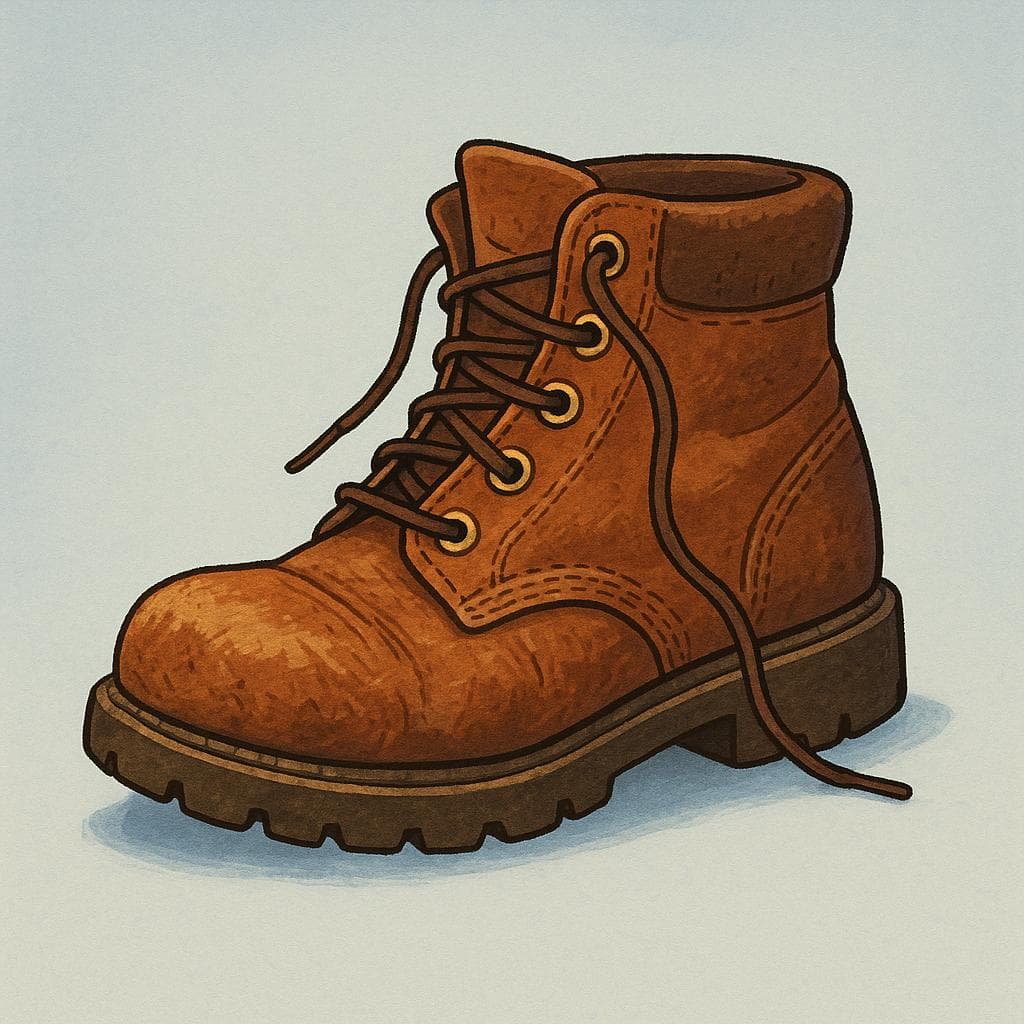
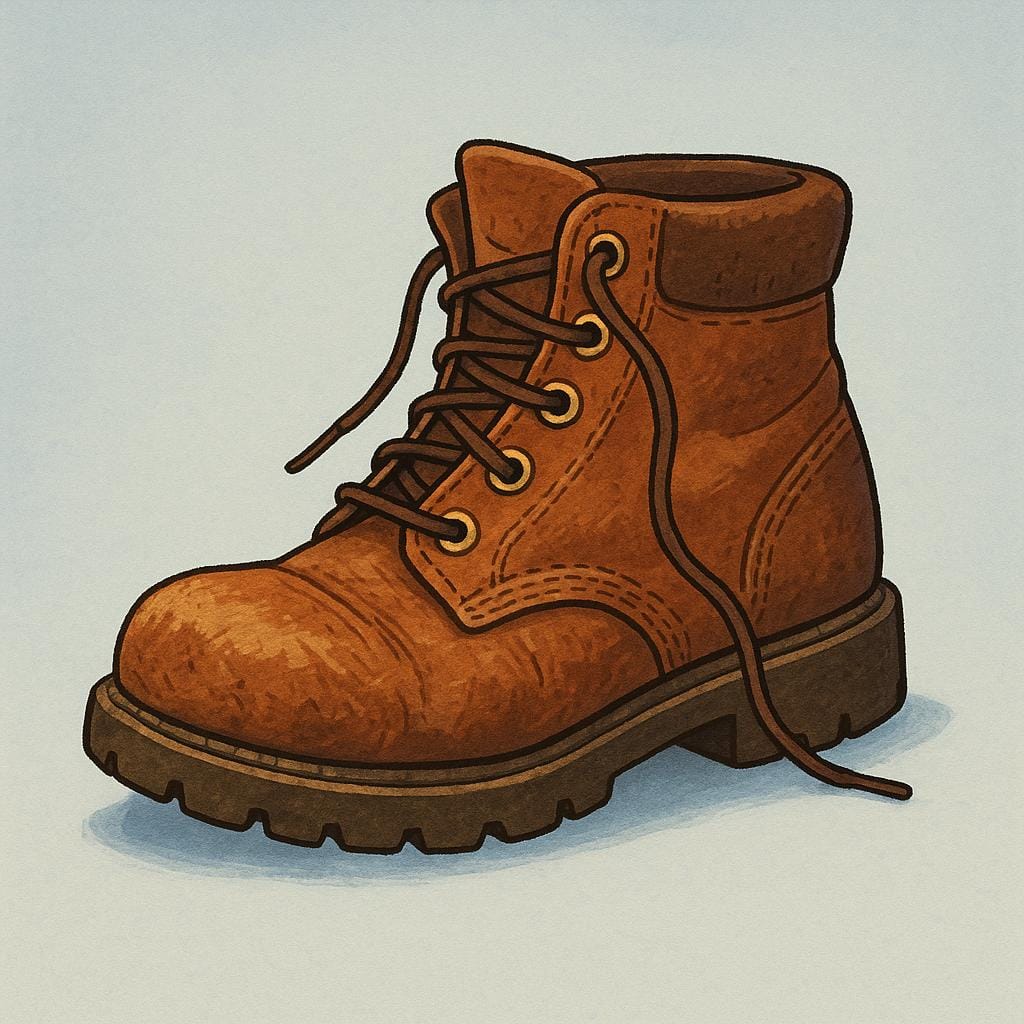
The most common Spanish word for “worn” is “usado” — use 'usado' when describing an object, especially clothing or furniture, that shows clear signs of wear and tear from being used over time.


usado
oo-SAH-dohuˈsaðo
Examples
Esta camisa está muy usada, pero todavía me gusta.
This shirt is very worn out, but I still like it.
Esta alfombra está muy usada; deberíamos reemplazarla.
This rug is very worn out; we should replace it.
Los procedimientos usados en el experimento fueron incorrectos.
The procedures utilized in the experiment were incorrect.
Estoy usado a levantarme temprano.
I am accustomed to getting up early. (Regional/less common alternative to 'acostumbrado')
Participle in Compound Tenses
'Usado' is the form needed to create perfect tenses, like the present perfect: 'Hemos usado' (We have used) or the past perfect: 'Habíamos usado' (We had used).
Confusing Ser and Estar
Mistake: “Saying 'El libro es usado' when you mean it is currently worn out.”
Correction: Use 'ser' (El libro es usado) only to state that the book's permanent status is 'second-hand.' Use 'estar' (El libro está usado) to describe its current, worn condition.
llevado
yeh-VAH-dohʎeˈβa.ðo

Examples
Los zapatos se ven llevados por el largo camino.
The shoes look worn from the long journey.
Ella ya se ha llevado todos los libros.
She has already taken all the books.
El coche fue llevado al taller esta mañana.
The car was taken to the workshop this morning.
Making Finished Actions
This form (llevado/a) combines with the verb haber ('to have') to describe actions that have already finished: 'Hemos llevado' (We have carried).
Changing the Ending
When used with ser or estar (to describe a state, like in the passive voice), the ending must match the gender and number of the person or thing being described: 'La carta fue llevada' (The letter was taken).
Not Changing the Ending with 'Estar'
Mistake: “La gente está llevado por la emoción.”
Correction: La gente está llevad**a** por la emoción. (The word must match 'la gente' which is feminine singular here.)
puesta
pwés-taˈpwesta

Examples
La mesa está puesta para la cena.
The table is set (worn) for dinner.
La mesa ya está puesta, podemos comer.
The table is already set, we can eat.
Llevaba una chaqueta puesta, aunque hacía calor.
She was wearing a jacket, even though it was hot.
La nueva regla fue puesta en vigor ayer.
The new rule was put into effect yesterday.
Irregular Participle
'Puesta' is the feminine form of the irregular past participle of the verb 'poner' (to put/place). The masculine form is 'puesto'.
Matching Gender
When used as an adjective (like 'set' or 'placed'), it must match the gender and number of the noun it describes. Since 'mesa' (table) is feminine, we use 'puesta'.
Not Matching Gender
Mistake: “Decir: 'La mesa está puesto.'”
Correction: Say: 'La mesa está puesta.' (The table is feminine, so the adjective must be feminine.)
Don't confuse 'usado'/'llevado' with 'puesta'
Related Translations
Learn Spanish with Inklingo
Interactive stories, personalized learning, and more.