How to Say "vermin" in Spanish
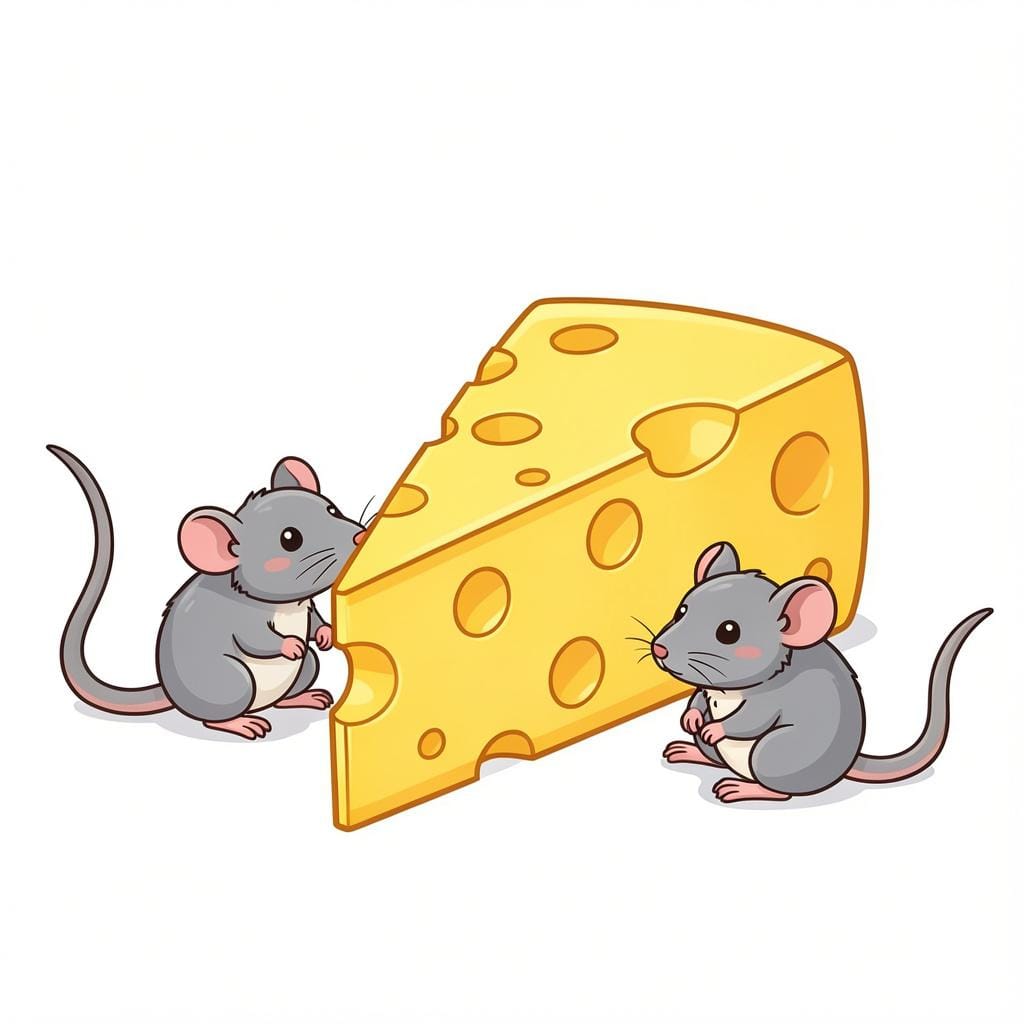
The most common Spanish word for “vermin” is “ratones” — use 'ratones' when referring to actual small, destructive or unpleasant animals like mice or rats that infest homes or other areas.
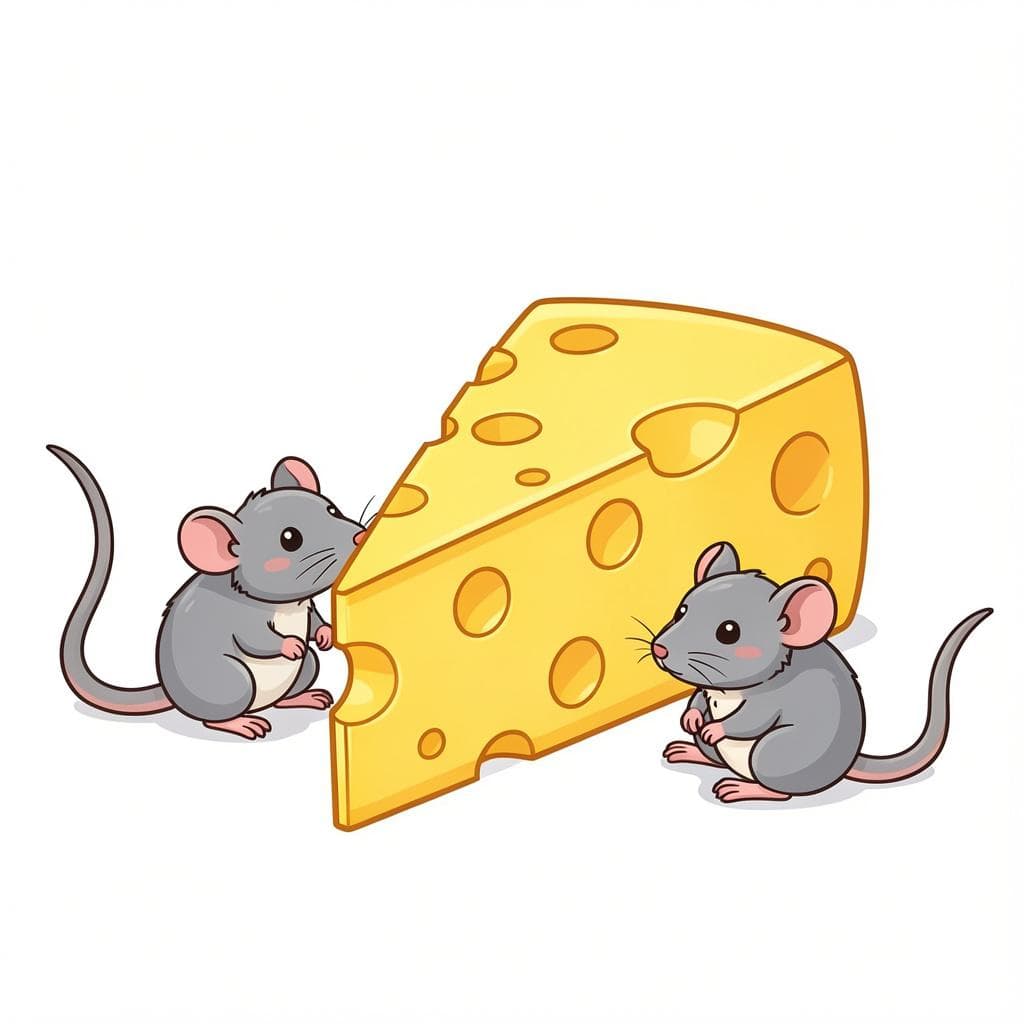

ratones
rah-TOH-nehsraˈtones
Examples
Los ratones corrieron por la cocina cuando encendí la luz.
The mice ran through the kitchen when I turned on the light.
Mi gato siempre atrapa ratones en el jardín.
My cat always catches mice in the garden.
The Vanishing Accent Mark
The singular form 'ratón' has a written accent mark, but when you make it plural ('ratones'), the accent disappears because the natural stress already falls on the 'to' sound.
Don't keep the accent
Mistake: “ratónes”
Correction: ratones
escoria
ehs-KOH-ryahesˈko.ɾja

Examples
Esa gente que roba a los pobres es la escoria de la sociedad.
Those people who steal from the poor are the scum of society.
No quiero tener nada que ver con esa escoria.
I don't want anything to do with that lowlife (or trash).
Feminine Insult
Even when you use 'escoria' to talk about a man or a mixed group, the word itself remains feminine: 'Él es una escoria' (He is scum).
Gender Misunderstanding
Mistake: “Using the word as masculine when referring to a man: 'Él es un escorio.'”
Correction: The word 'escoria' is a feminine noun regardless of the person's gender: 'Él es una escoria.' This happens because you are calling the person a 'piece of trash' (the waste material).
Literal vs. Figurative Meanings
Related Translations
Learn Spanish with Inklingo
Interactive stories, personalized learning, and more.