How to Say "refuse" in Spanish
The most common Spanish word for “refuse” is “negar” — use 'negar' when you mean to refuse to give, allow, or accept something, or to deny a statement.


negar
neh-GAHRneˈɣaɾ

Examples
El testigo se negó a responder la pregunta.
The witness refused to answer the question.
Ella niega haber estado en la fiesta.
She denies having been at the party.
El banco me negó el préstamo.
The bank refused me the loan.
La empresa le negó la entrada a la fábrica.
The company denied him entry to the factory.
Stem Change Alert (e → ie)
In the present tense, the 'e' in the middle changes to 'ie' (like 'nIEgo'), except for the 'nosotros' and 'vosotros' forms, which stay regular (negamos, negáis).
Spelling Change in Preterite
To keep the 'g' sounding hard (like the 'g' in 'go') before the 'e' in the 'yo' form of the past tense, you must add a 'u': 'negué'. This is a common spelling rule for all -gar verbs.
Using Subjunctive After Denying
Mistake: “Él niega que *sea* el culpable.”
Correction: When denying a fact, Spanish typically uses the standard verb form (Indicative) in the second part: 'Él niega que *es* el culpable.' (He denies that he is the culprit).
desperdicio
des-pair-DEE-syohdespeɾˈdisjo
Examples
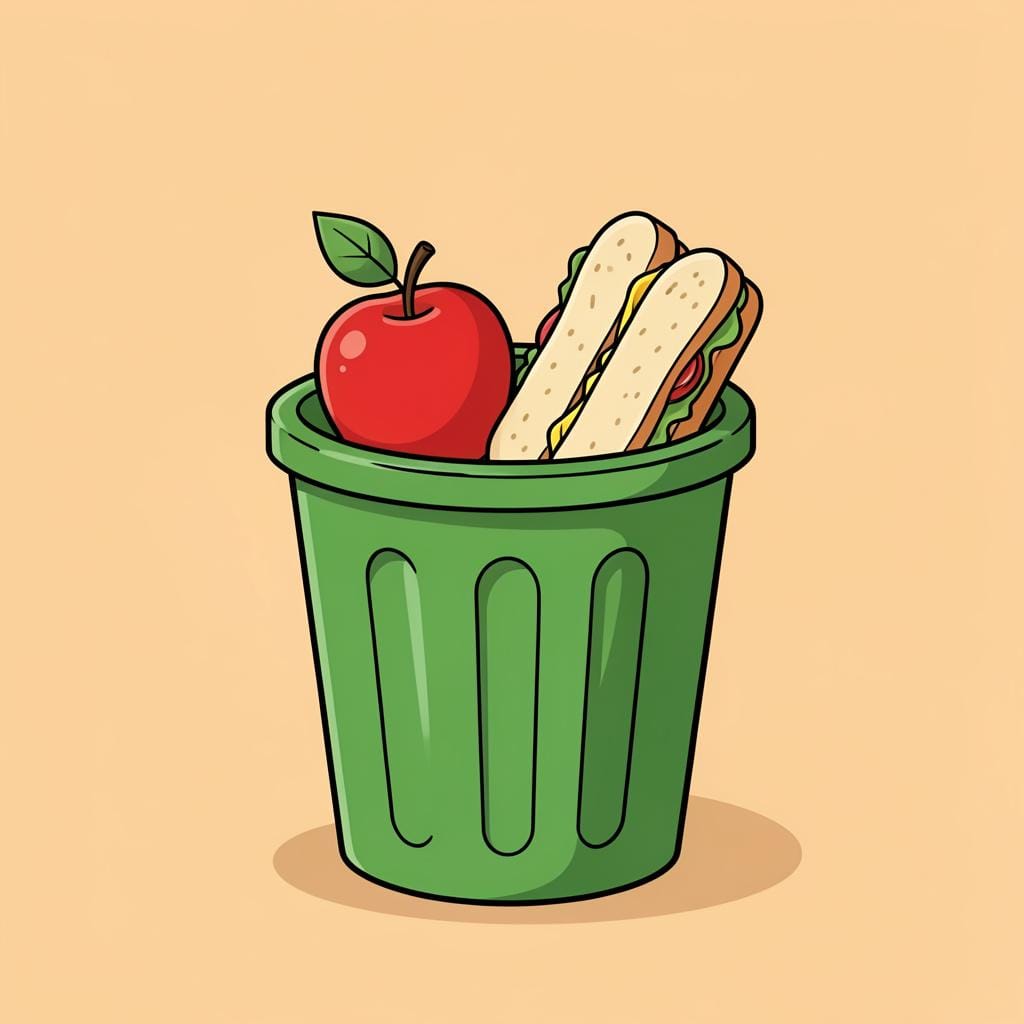
No tires la ropa vieja, es un desperdicio.
Don't throw away the old clothes, it's a waste.
Tirar comida es un gran desperdicio.
Throwing away food is a huge waste.
Recogieron los desperdicios de la construcción.
They picked up the construction debris.
Always Masculine
Even if you are talking about 'waste' in a general sense, the word is always masculine: 'el desperdicio'.
Desperdicio vs. Basura
Mistake: “Using 'desperdicio' for the bag of trash you put on the curb.”
Correction: Use 'basura' for general trash. Use 'desperdicio' specifically when talking about things that *could* have been used but weren't, or specific scraps like food bits.
residuos
rre-SEE-dwosreˈsiðwos
Examples
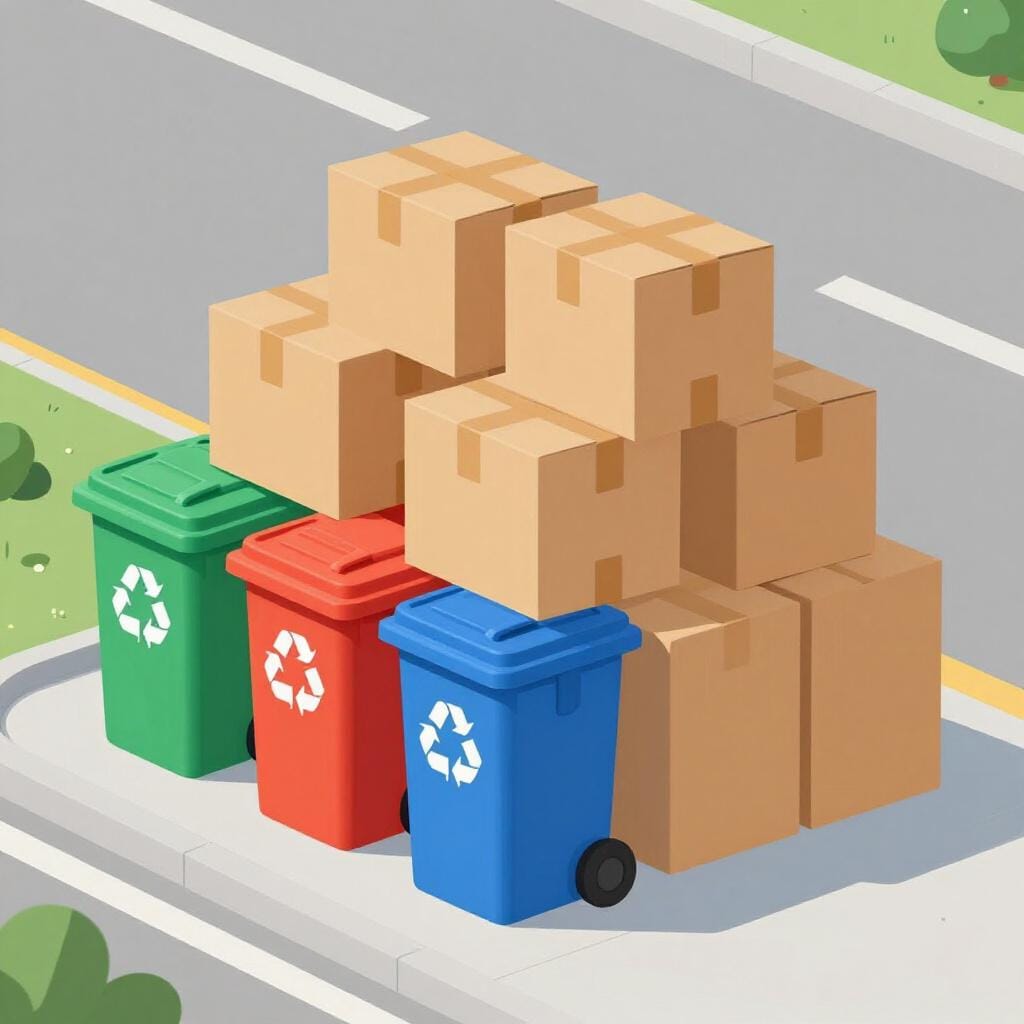
Los residuos electrónicos deben ser reciclados adecuadamente.
Electronic waste must be properly recycled.
Debemos separar los residuos orgánicos de los plásticos.
We must separate organic waste from plastics.
La ciudad tiene un nuevo plan para la gestión de residuos.
The city has a new plan for waste management.
No dejes residuos de comida en la mesa.
Don't leave food remains on the table.
Always Masculine
Even though it ends in 's', this word is masculine. Always use 'los' or 'unos' with it.
Plural vs. Singular
While you can say 'residuo' for a single bit of leftover material, we almost always use the plural 'residuos' when talking about trash or environmental issues.
Residuos vs. Basura
Mistake: “Using 'residuos' for the small kitchen bin.”
Correction: Use 'basura' for everyday kitchen trash and 'residuos' for more formal, technical, or large-scale waste (like factory or city-wide waste).
escoria
ehs-KOH-ryahesˈko.ɾja

Examples
La escoria de la fundición se usa para hacer carreteras.
The slag from smelting is used to make roads.
La escoria que se produce al fundir el hierro debe ser retirada y desechada.
The slag produced when melting iron must be removed and discarded.
Encontraron restos de escoria antigua en el sitio de la mina romana.
They found remains of ancient dross at the Roman mine site.
Always Feminine
Even though it refers to material waste, 'escoria' is always a feminine word, so you must use 'la escoria' or 'una escoria'.
Confusing Trash vs. Denying
Related Translations
Learn Spanish with Inklingo
Interactive stories, personalized learning, and more.