escoria
“escoria” means “slag” in Spanish. It has 2 different meanings depending on context:


slag
Also: dross, refuse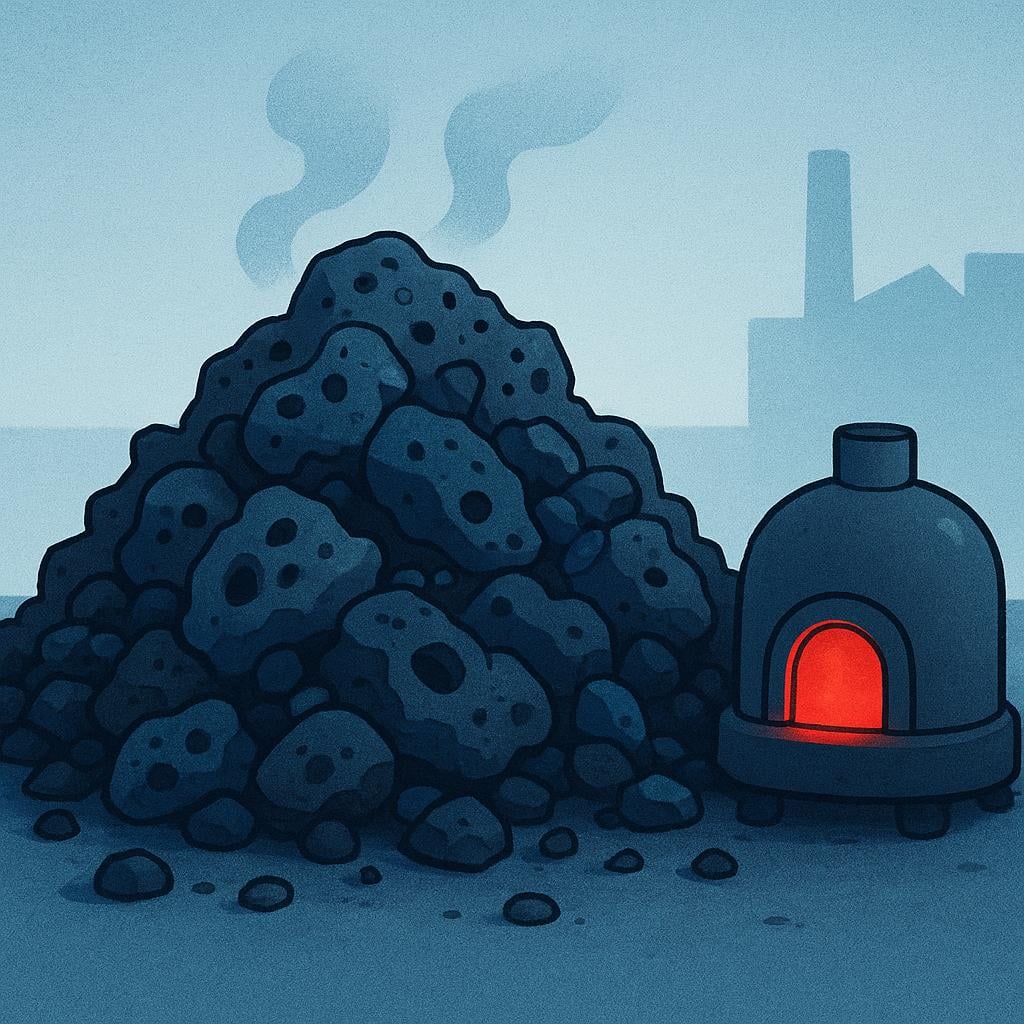
📝 In Action
La escoria que se produce al fundir el hierro debe ser retirada y desechada.
B2The slag produced when melting iron must be removed and discarded.
Encontraron restos de escoria antigua en el sitio de la mina romana.
B2They found remains of ancient dross at the Roman mine site.
scum, trash
Also: lowlife, vermin
📝 In Action
Esa gente que roba a los pobres es la escoria de la sociedad.
C1Those people who steal from the poor are the scum of society.
No quiero tener nada que ver con esa escoria.
C1I don't want anything to do with that lowlife (or trash).
Translate to Spanish
✏️ Quick Practice
Quick Quiz: escoria
Question 1 of 1
Which sentence uses 'escoria' in its literal, physical meaning?
📚 More Resources
👥 Word Family▼
📚 Etymology▼
The word comes from the Late Latin *scoria*, which itself came from the Greek *skōría*, meaning 'excrement' or 'dross.' The idea is that the word refers to the worthless residue left over after something valuable has been extracted.
First recorded: 13th century
Cognates (Related words)
💡 Master Spanish
Take your Spanish to the next level. Read 200+ illustrated and narrated Spanish stories tailored to your level with the Inklingo app!
Frequently Asked Questions
If I call a man 'escoria,' is it still a feminine noun?
Yes, absolutely. 'Escoria' is a feminine noun (like 'persona' or 'víctima'). You are calling the person 'a piece of trash,' so the word itself does not change its gender, even if the person you are referring to is male. You must say 'Él es una escoria.'
How strong of an insult is 'escoria'?
It is a very strong and offensive insult. It implies that a person is utterly worthless, morally repugnant, and the worst element of society. Use it with caution!