How to Say "we find" in Spanish
The most common Spanish word for “we find” is “encontramos” — use this when you are actively locating something in the present moment or as a regular habit.
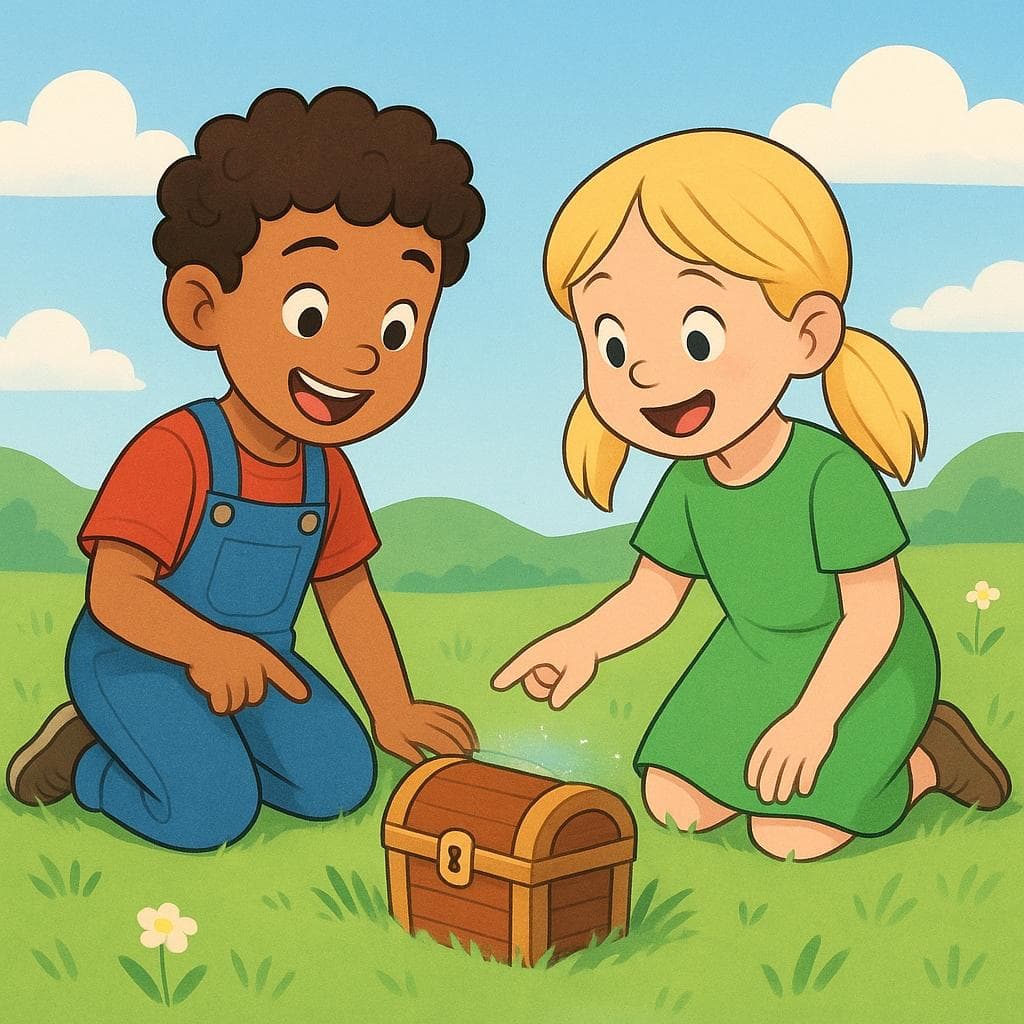


encontramos
en-kon-TRA-mosenkoŋˈtɾamos

Examples
No encontramos las llaves. ¿Dónde están?
We can't find the keys. Where are they?
Siempre nos encontramos en el parque para caminar.
We always meet in the park to walk.
Encontramos que su idea es excelente.
We find his idea to be excellent.
Two Meanings, One Word
This exact word, 'encontramos', can mean 'we find' (present) or 'we found' (past). You have to use other words in the sentence, like 'ahora' (now) or 'ayer' (yesterday), to know which one it is.
No Stem Change for 'Nosotros'
The verb 'encontrar' changes its 'o' to 'ue' (like 'yo encuentro'), but this change doesn't happen for the 'we' (nosotros) form. It stays 'encontramos', which is easier to remember!
hallamos
ah-YAH-mohsaˈʝamos

Examples
Hoy no hallamos ninguna solución al problema.
Today we don't find any solution to the problem.
Ayer hallamos las llaves debajo del sofá.
Yesterday we found the keys under the sofa.
Tras mucho buscar, hallamos la verdad.
After much searching, we discovered the truth.
Double Time Duty
In Spanish, the 'we' form for verbs ending in -ar is exactly the same for the present ('we find') and the completed past ('we found'). You have to look at the other words in the sentence, like 'yesterday' or 'now,' to know which one is being used.
Confusing Hallar and Encontrar
Mistake: “Using 'hallar' for meeting friends.”
Correction: Use 'encontrar' for meeting people by chance. 'Hallar' is usually for finding objects, facts, or solutions.
encontremos
en-kon-TRAY-moseŋ.konˈtɾe.mos

Examples
Espero que encontremos un buen restaurante cerca de aquí.
I hope that we find a good restaurant near here.
¡Encontremos una manera de terminar esto antes de medianoche!
Let's find a way to finish this before midnight!
No creo que encontremos el camino sin un mapa.
I don't think we will find the way without a map.
Use 1: The 'Let's' Command
When you want to suggest an action that involves the group ('we'), you use 'encontremos.' This is the affirmative command form for nosotros.
Use 2: Expressing Wishes and Uncertainty
'Encontremos' is the special verb form (subjunctive) used after expressions of desire, doubt, or necessity, like 'Espero que...' (I hope that...) or 'No creo que...' (I don't think that...).
Forgetting the Subjunctive
Mistake: “Using the indicative form: 'Espero que encontramos...' (Instead of 'encontremos')”
Correction: When you express hope or doubt about what 'we' are doing, Spanish requires the special subjunctive form: 'Espero que encontremos...'
Stem Change Confusion
Mistake: “Applying the 'o' to 'ue' stem change to this form: 'que encuéntremos' (Incorrect)”
Correction: The *nosotros* form is a rare exception! It keeps the original 'o': 'encontremos' (Correct).
Indicative vs. Subjunctive Mood
Related Translations
Learn Spanish with Inklingo
Interactive stories, personalized learning, and more.