How to Say "wind" in Spanish
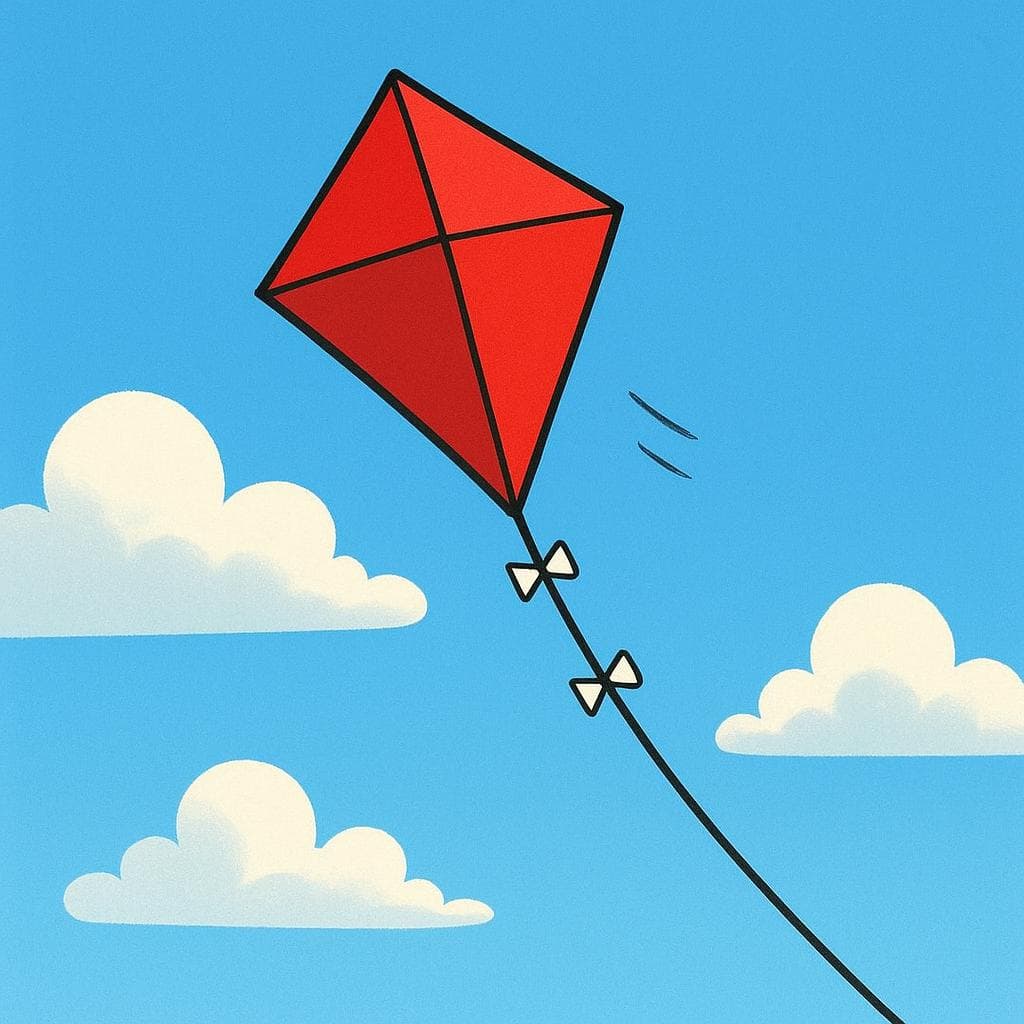
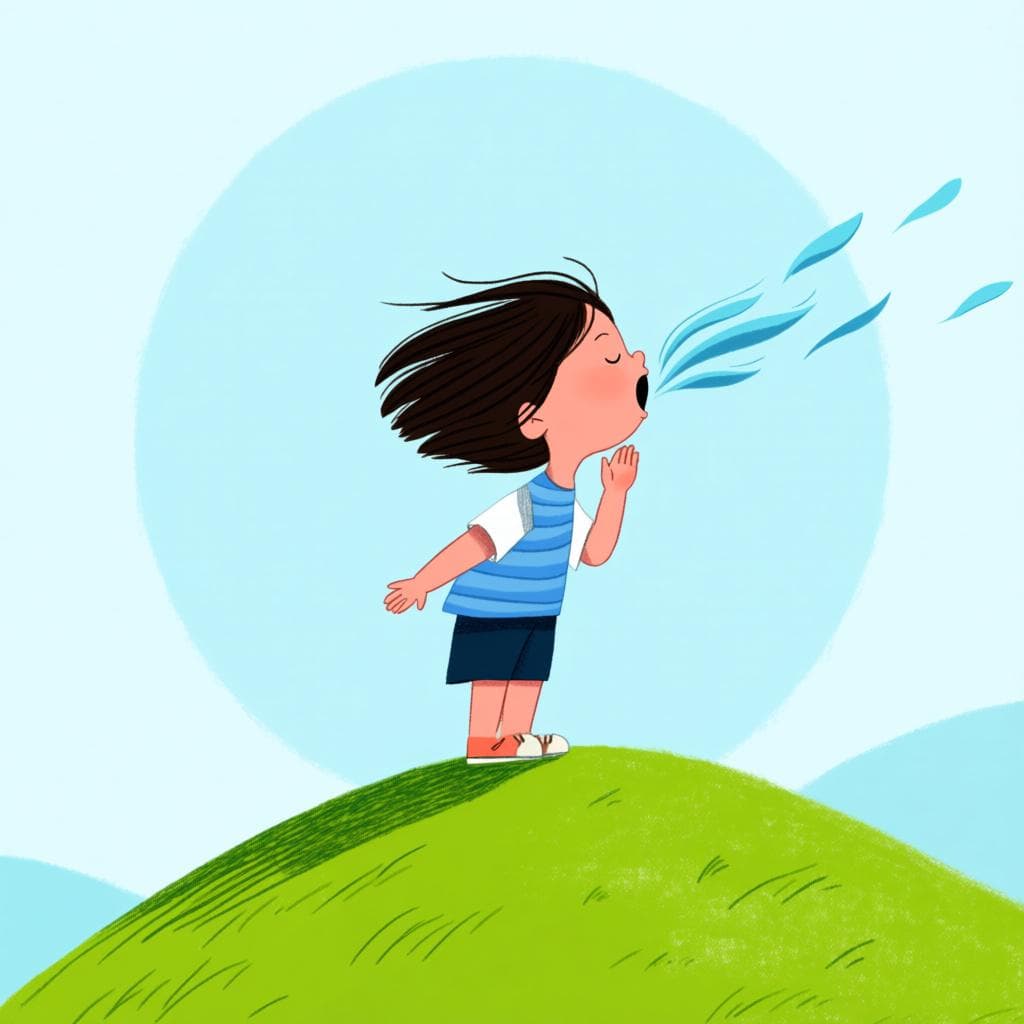
The most common Spanish word for “wind” is “viento” — use 'viento' when referring to the movement of air, such as a breeze or a strong gust, that can be felt or heard.

viento
bee-EHN-tohˈbjen.to
Examples
El viento cerró la puerta de golpe.
The wind slammed the door shut.
Dicen que mañana hará mucho viento, así que no vayas a la playa.
They say it will be very windy tomorrow, so don't go to the beach.
Necesitamos un buen viento para que el barco pueda avanzar.
We need a good wind so the boat can move forward.
Using 'Hacer' for Weather
To say 'it's windy,' Spanish uses the verb 'hacer' (to make/do): 'Hace viento.' You don't say 'Es viento' (It is wind).
Confusing Viento and Aire
Mistake: “Using 'aire' when talking about strong movement, e.g., 'el aire es muy fuerte.'”
Correction: Use 'viento' for strong, noticeable atmospheric movement. 'Aire' often refers to the substance we breathe or a light breeze.
aire
ai-rehˈai.ɾe
Examples
Necesito un poco de aire fresco.
I need a bit of fresh air.
El aire acondicionado no funciona.
The air conditioning isn't working.
Vamos a comer al aire libre.
Let's go eat outdoors.
Always 'el aire'
Even though it ends with an '-e', 'aire' is a masculine word. So, you'll always say 'el aire' (the air) or 'un aire' (an air).
Using 'la' instead of 'el'
Mistake: “Me gusta la aire de la mañana.”
Correction: Me gusta el aire de la mañana. Just remember that 'aire' is a masculine word, so it uses 'el'.
pulmones
pool-MOH-nayspulˈmones

Examples
Este corredor tiene unos pulmones increíbles; puede correr kilómetros sin cansarse.
This runner has incredible stamina; he can run kilometers without getting tired.
Necesitas pulmones si quieres subir esa montaña sin detenerte.
You need staying power if you want to climb that mountain without stopping.
Figurative Use
In this sense, 'pulmones' describes a person's physical ability to keep going, using the image of strong lungs to represent great endurance.
Confusing 'viento' and 'aire'
Learn Spanish with Inklingo
Interactive stories, personalized learning, and more.