pulmones
“pulmones” means “lungs” in Spanish. It has 2 different meanings depending on context:
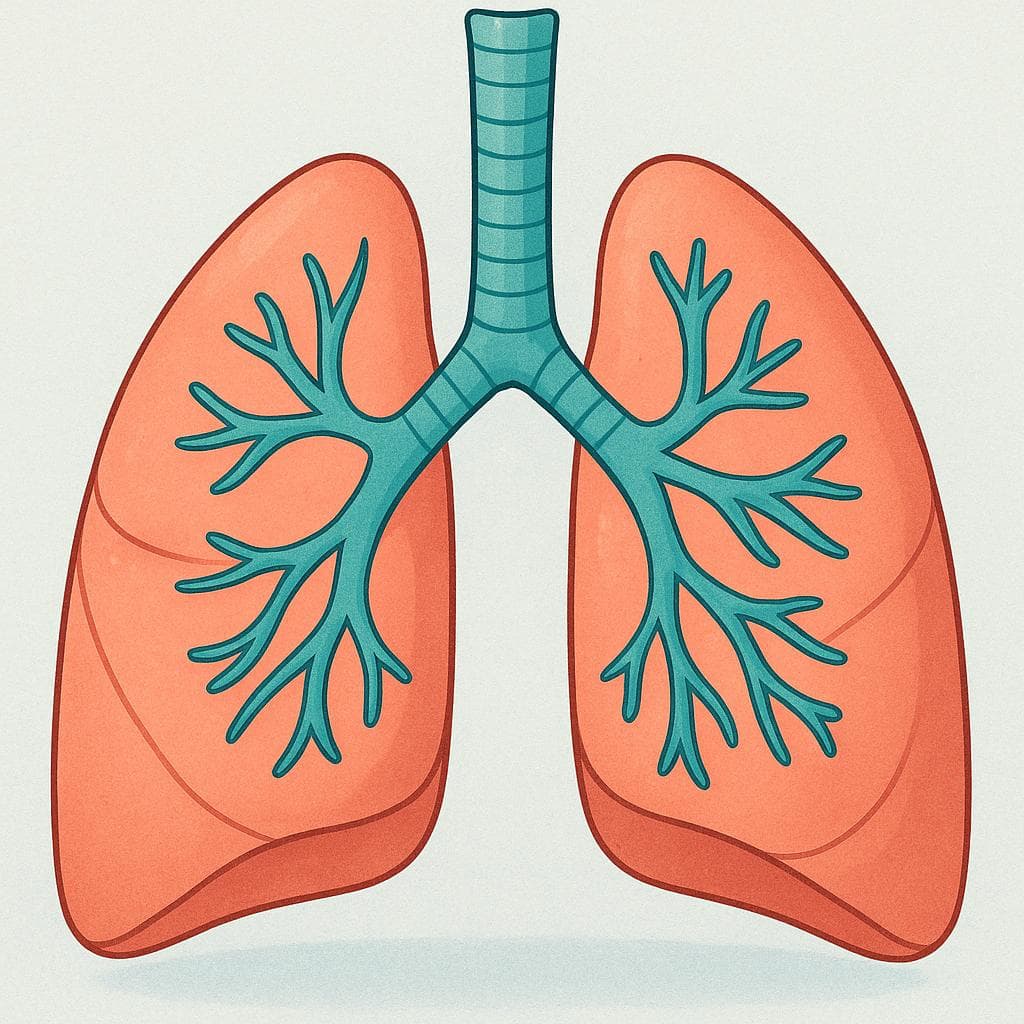

lungs
Also: breathing organs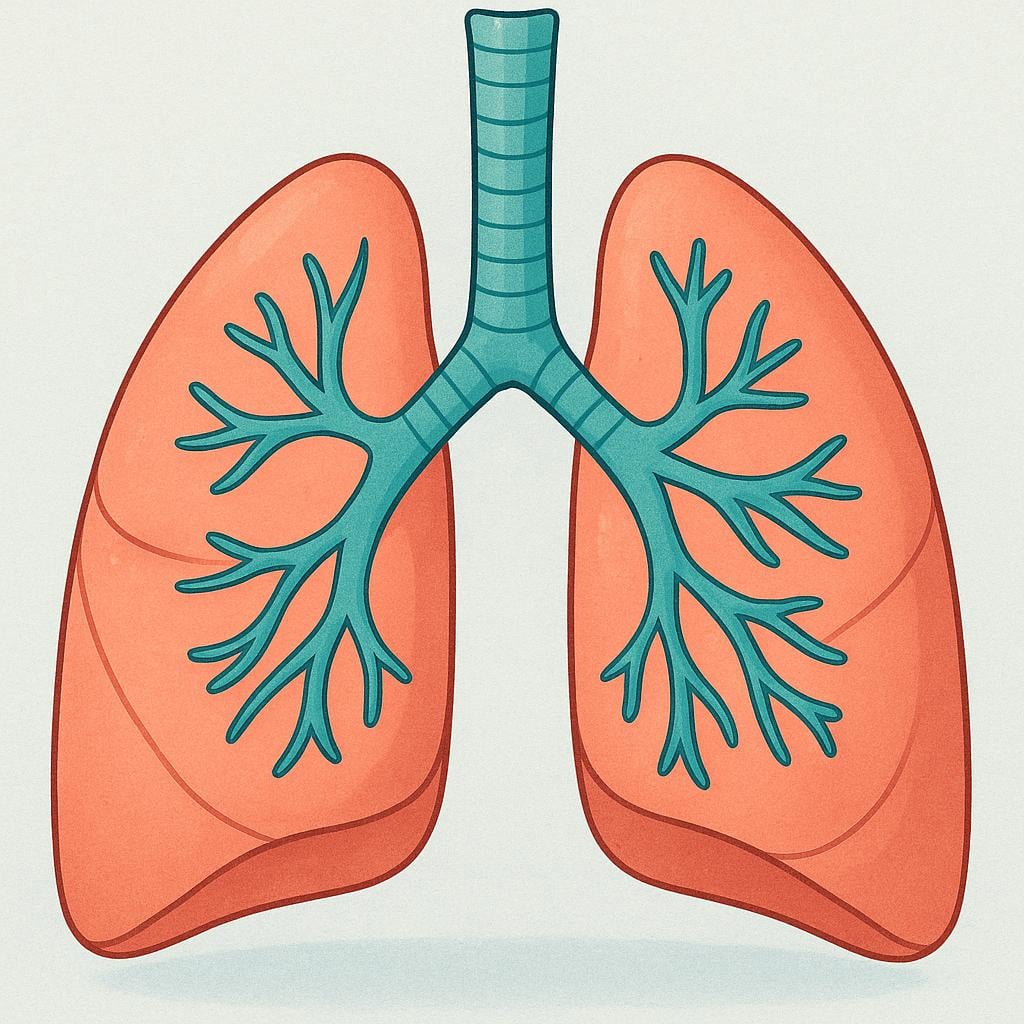
📝 In Action
Necesitas respirar profundamente para llenar tus pulmones de aire fresco.
A1You need to breathe deeply to fill your lungs with fresh air.
Fumar es muy malo para los pulmones.
A2Smoking is very bad for the lungs.
El doctor revisó los pulmones del paciente con un estetoscopio.
B1The doctor checked the patient's lungs with a stethoscope.
stamina
Also: capacity, wind
📝 In Action
Este corredor tiene unos pulmones increíbles; puede correr kilómetros sin cansarse.
B2This runner has incredible stamina; he can run kilometers without getting tired.
Necesitas pulmones si quieres subir esa montaña sin detenerte.
C1You need staying power if you want to climb that mountain without stopping.
Translate to Spanish
✏️ Quick Practice
Quick Quiz: pulmones
Question 1 of 2
Which sentence uses 'pulmones' in its figurative sense (stamina)?
📚 More Resources
👥 Word Family▼
📚 Etymology▼
Comes from the Latin word *pulmo*, which itself is related to the ancient root for 'float' or 'swim,' perhaps because lungs float in water.
First recorded: Medieval Latin
Cognates (Related words)
💡 Master Spanish
Take your Spanish to the next level. Read 200+ illustrated and narrated Spanish stories tailored to your level with the Inklingo app!
Frequently Asked Questions
Why is 'pulmones' masculine if it ends in -es?
The singular form is 'el pulmón,' which is masculine. Nouns ending in -ón are generally masculine, and this gender carries over into the plural form 'los pulmones'.