How to Say "wizard" in Spanish
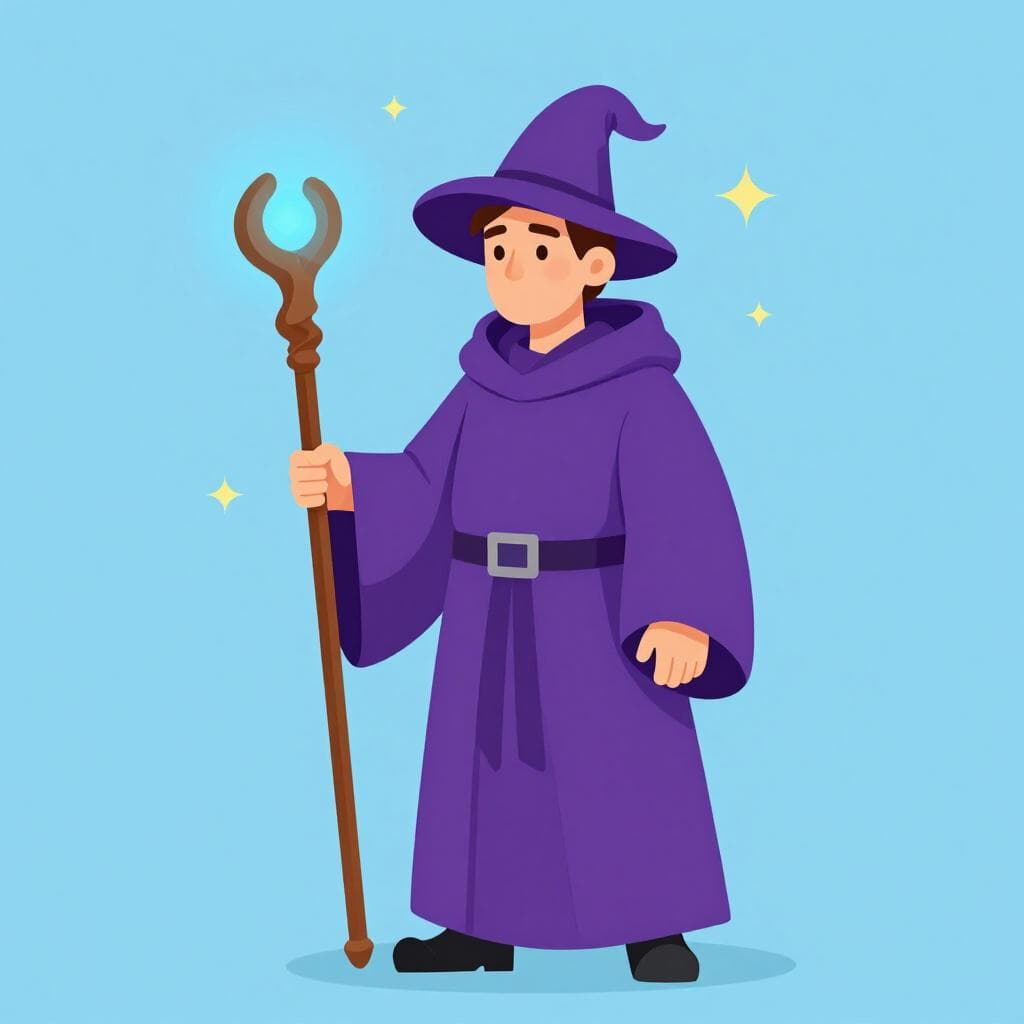
The most common Spanish word for “wizard” is “mago” — use 'mago' for a figure of magic and wisdom, often a prominent character in fantasy, mythology, or folklore known for their knowledge and power.


mago
MAH-goˈma.ɣo

Examples
El mago Merlín ayudó al Rey Arturo con su sabiduría.
Merlin the wizard helped King Arthur with his wisdom.
En España, los Reyes Magos traen regalos la noche del 5 de enero.
In Spain, the Three Kings bring gifts on the night of January 5th.
Cultural Significance
The plural form, 'Reyes Magos,' is crucial for understanding Spanish Christmas traditions, referring to the Three Wise Men who bring gifts.
hechicero
eh-chee-SEH-rohetʃiˈseɾo
Examples
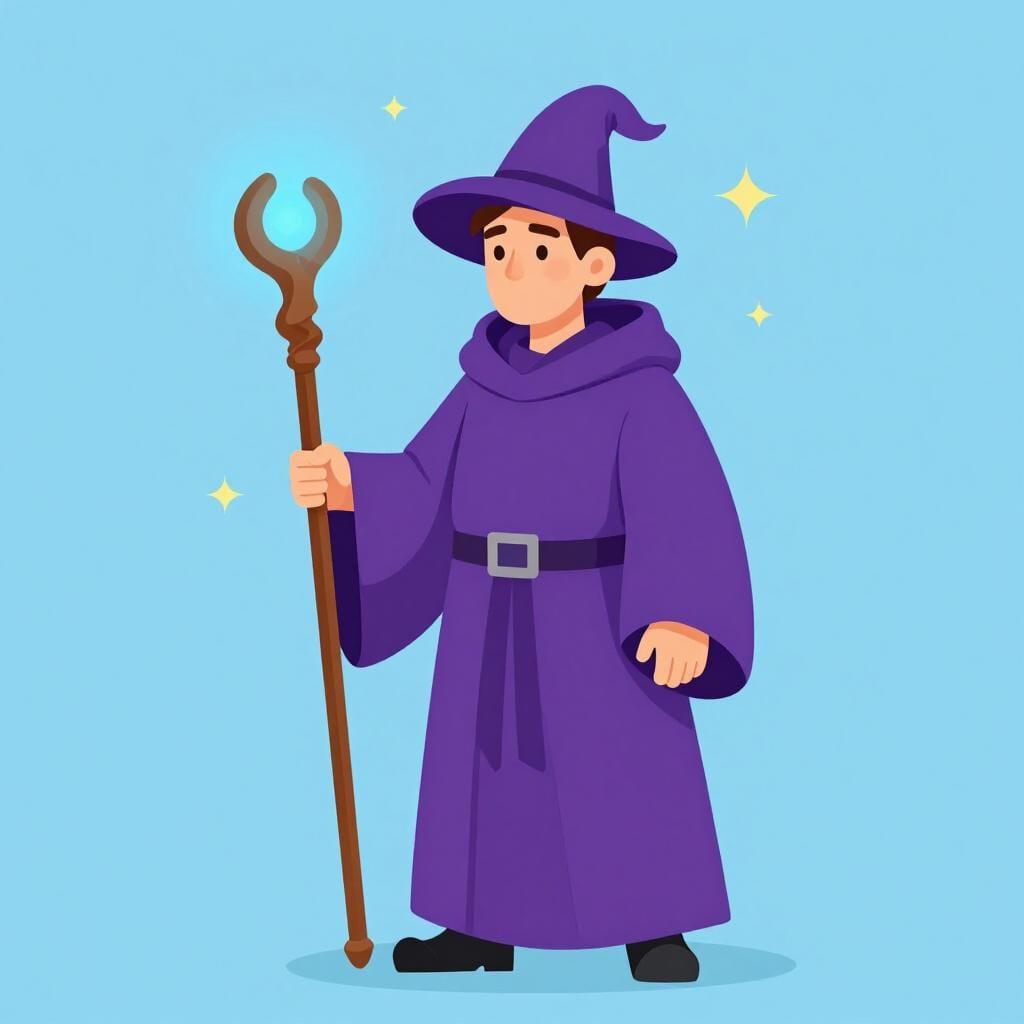
El hechicero preparó una poción en su caldero.
The sorcerer prepared a potion in his cauldron.
En la leyenda, el hechicero protegía el castillo con su magia.
In the legend, the sorcerer protected the castle with his magic.
Consultaron al hechicero de la tribu para curar al guerrero.
They consulted the tribe's medicine man to heal the warrior.
Male vs. Female Spells
This word is used for males. If you want to talk about a woman who uses magic, you would change the ending to 'hechicera'.
Nouns for People
In Spanish, words for professions or roles often end in -ero (like carnicero for butcher). This 'ero' ending tells you it is a person who does a specific thing.
Hechicero vs. Mago
Mistake: “Using 'hechicero' for a stage magician doing card tricks.”
Correction: Use 'mago' for entertainers. Use 'hechicero' for people who supposedly have real supernatural powers or are in fantasy stories.
brujo
BROO-hoˈbruxo
Examples
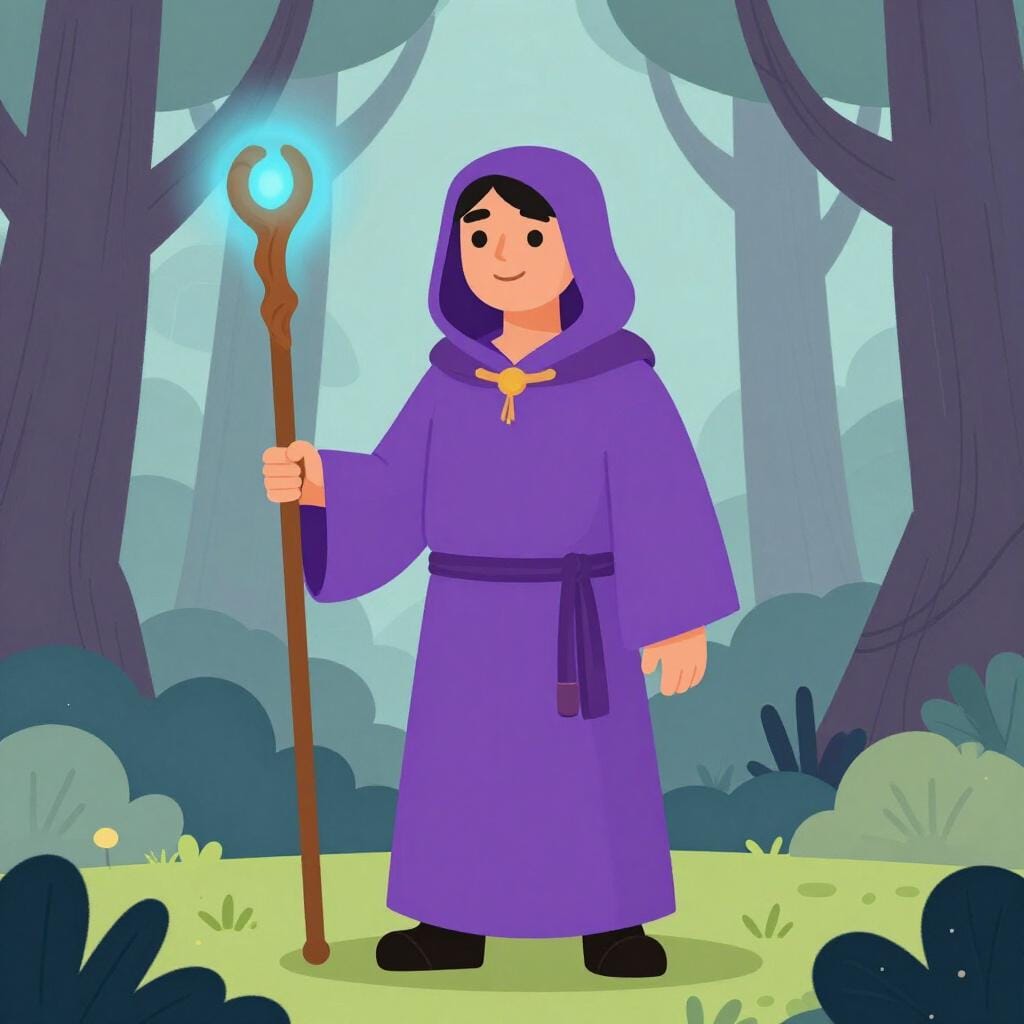
El brujo lanzó un hechizo sobre el bosque.
The sorcerer cast a spell over the forest.
En las leyendas locales, el brujo vive solo en la montaña.
In local legends, the wizard lives alone on the mountain.
El protagonista debe encontrar al gran brujo para romper la maldición.
The protagonist must find the great sorcerer to break the curse.
Word Gender
This word ends in 'o', which tells us it refers to a male practitioner. If you are talking about a woman, you would use a different word ending in 'a'.
Placement with Descriptions
When you want to describe the sorcerer (e.g., 'the powerful sorcerer'), put the descriptive word after 'brujo', like this: 'el brujo poderoso'.
Brujo vs. Mago
Mistake: “Using 'brujo' for a stage magician who does card tricks.”
Correction: Use 'mago' for entertainers or stage magic. 'Brujo' usually implies supernatural or occult powers.
Choosing between 'mago', 'hechicero', and 'brujo'
Related Translations
Learn Spanish with Inklingo
Interactive stories, personalized learning, and more.