How to Say "worm" in Spanish
The most common Spanish word for “worm” is “gusano” — use 'gusano' for the common, small, legless creature typically found in soil, like an earthworm.
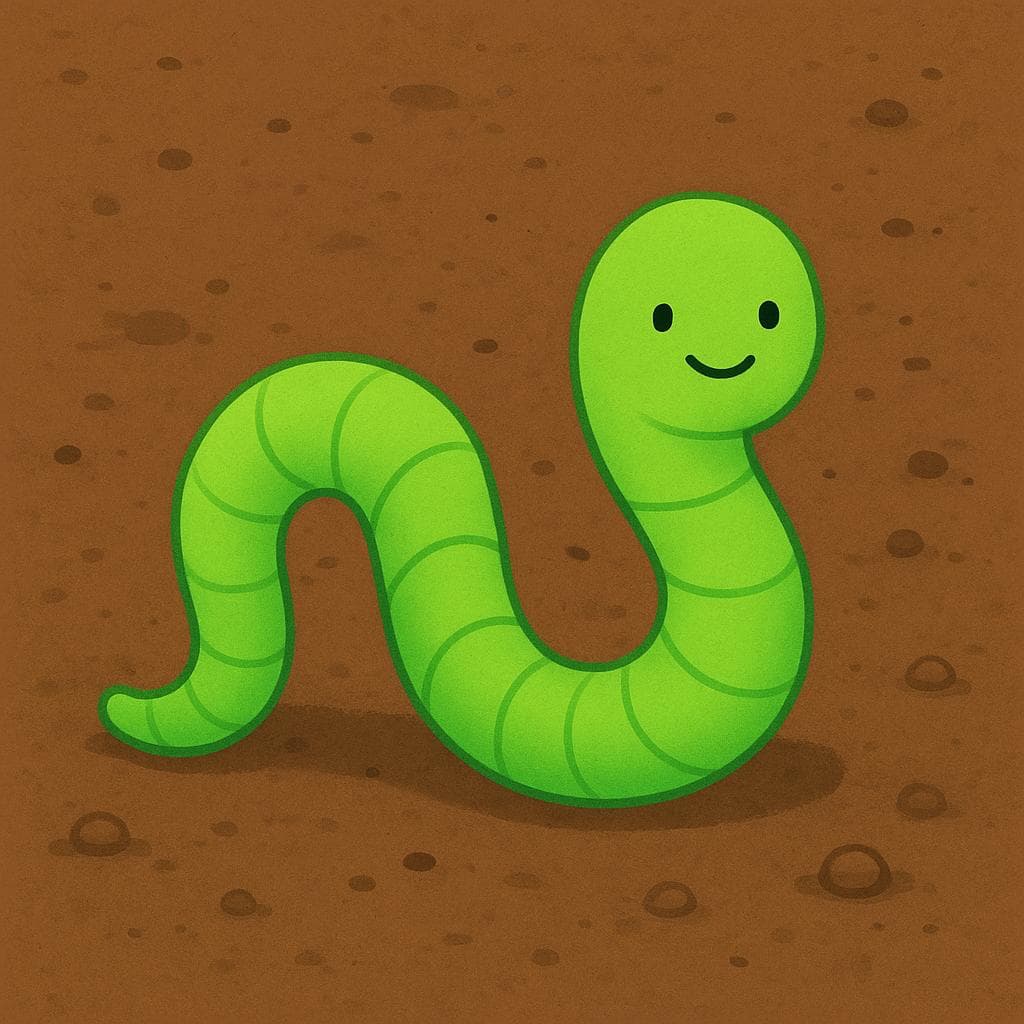
gusano
goo-SAH-noɡuˈsano
Examples
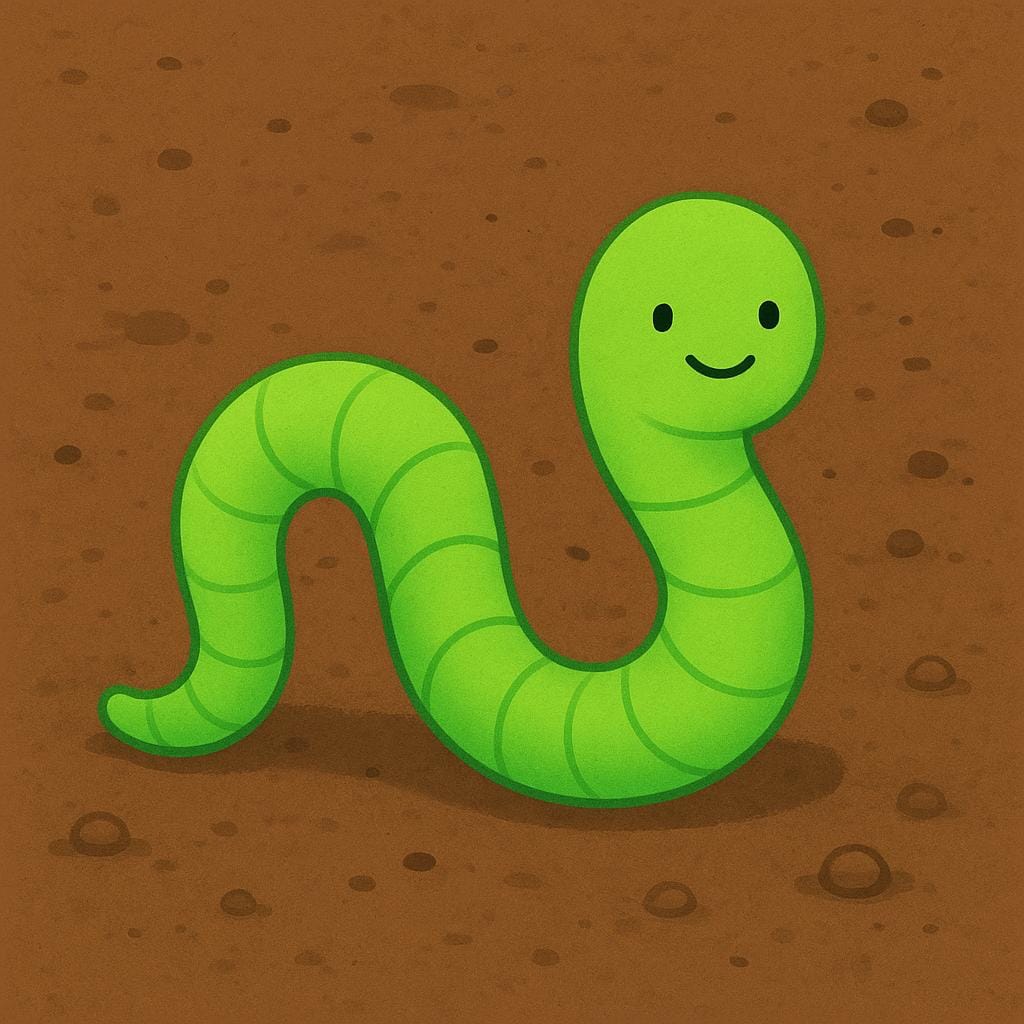
Después de la lluvia, vimos muchos gusanos en el suelo.
After the rain, we saw many worms on the ground.
El gusano de seda es famoso por producir la seda.
The silkworm is famous for producing silk.
Masculine Noun Rule
Since 'gusano' ends in 'o', it is a masculine word. Always use 'el' (the) and masculine adjectives with it, like 'el gusano verde' (the green worm).
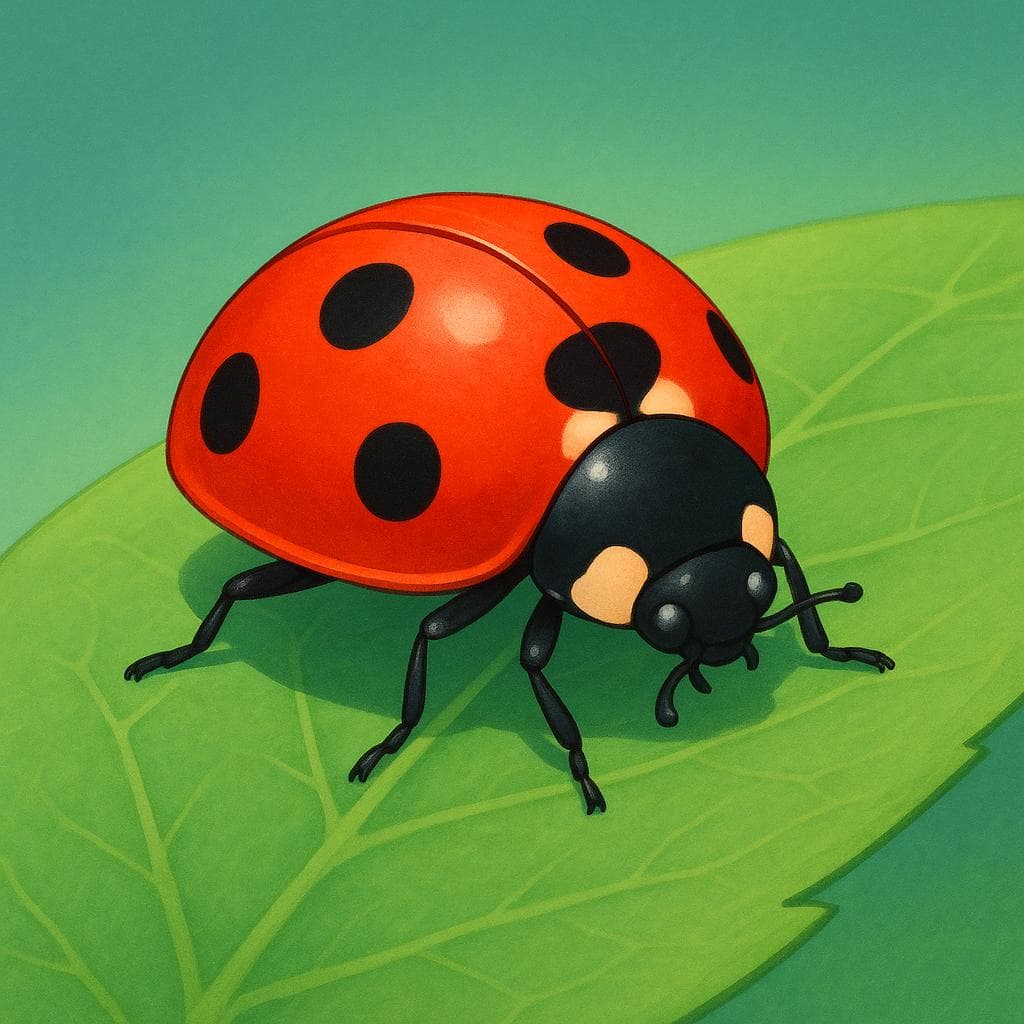
bicho
bee-choˈbitʃo
Examples
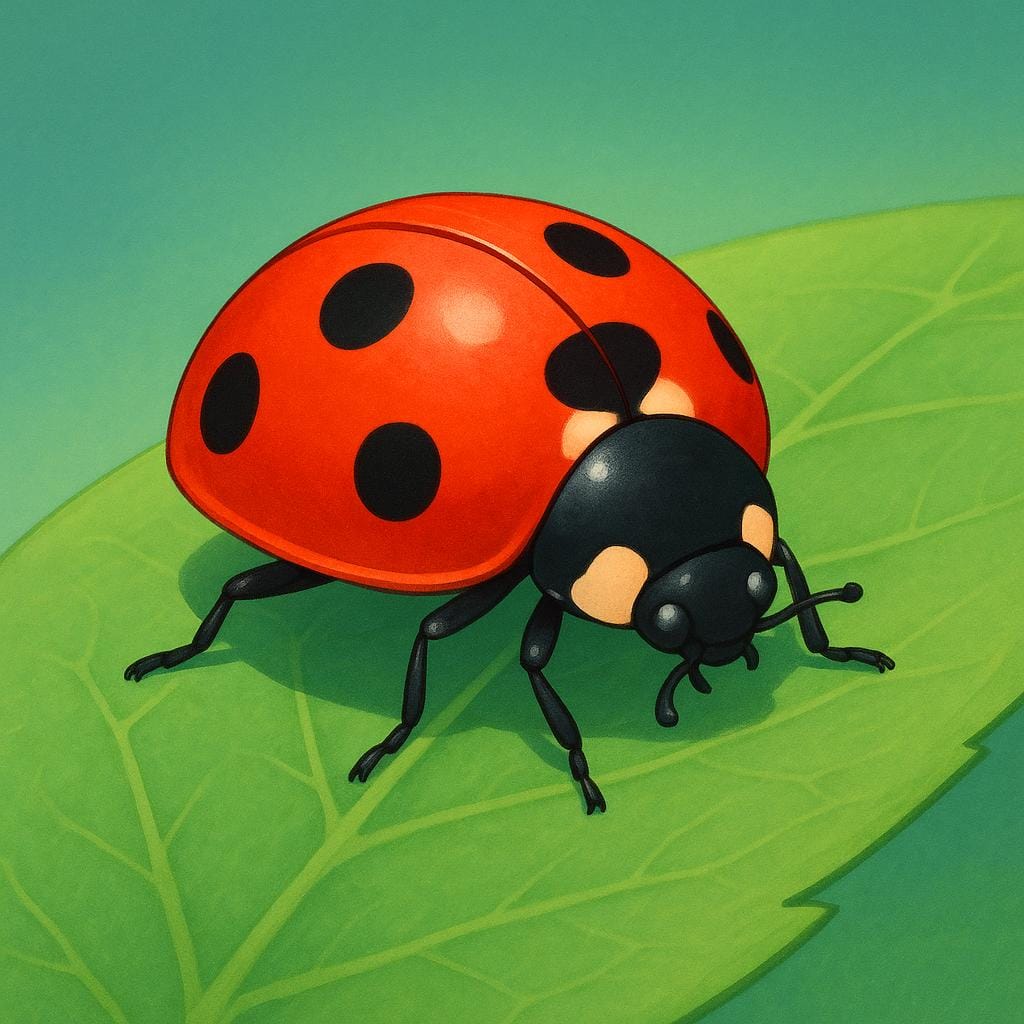
Hay un bicho enorme en mi ensalada. ¡Qué asco!
There is a huge bug in my salad. How gross!
Los niños estaban buscando bichos debajo de las piedras.
The children were looking for critters under the rocks.
Always Masculine
Even if the creature is female, 'bicho' is always used with masculine articles (el bicho, un bicho).
Confusing Gender
Mistake: “La bicha (unless referring to a regional slang for a female person)”
Correction: Use 'el bicho' for insects/animals; the feminine form 'bicha' is rarely used in this context.
Gusano vs. Bicho
Related Translations
Learn Spanish with Inklingo
Interactive stories, personalized learning, and more.