How to Say "you grabbed" in Spanish
The most common Spanish word for “you grabbed” is “tomaste” — use this translation for a general past action of taking or picking something up, especially in informal conversation.
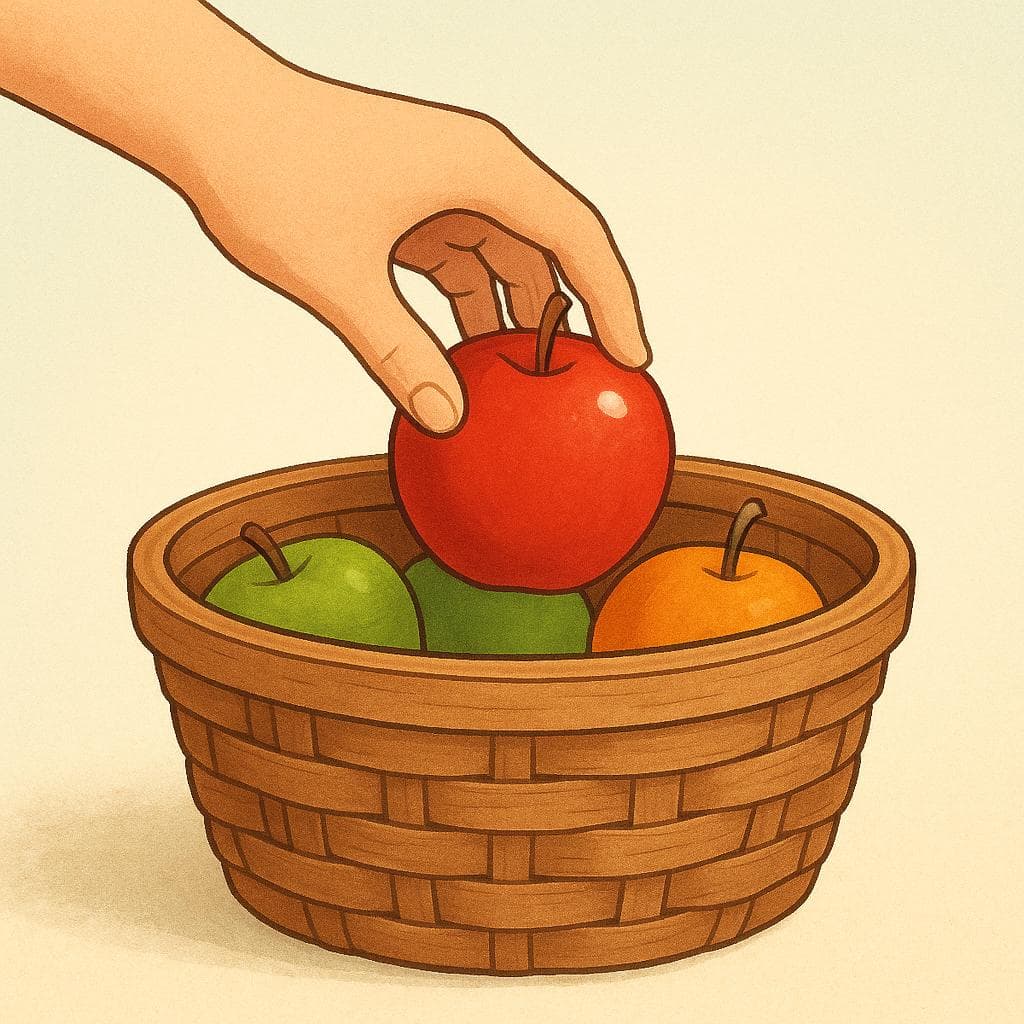
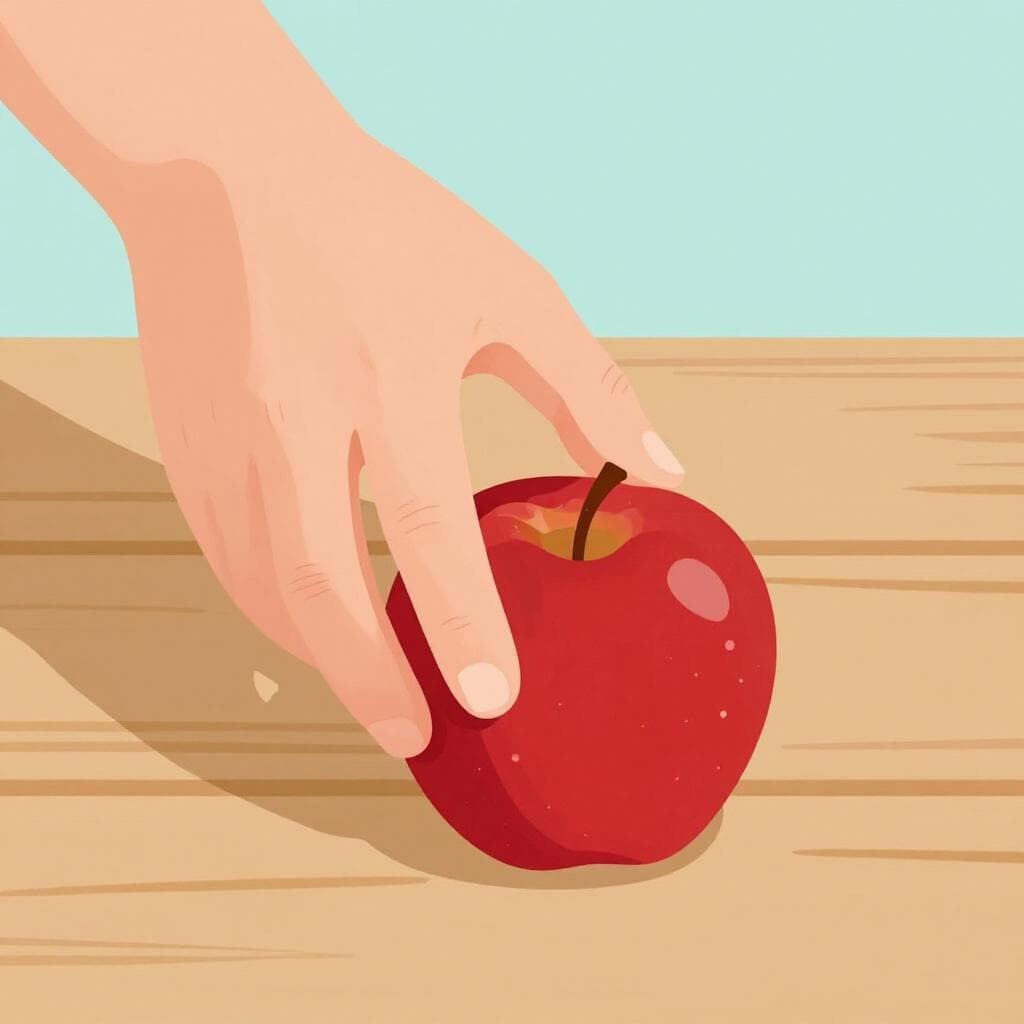
tomaste
toh-MAHS-tehtoˈmaste
Examples
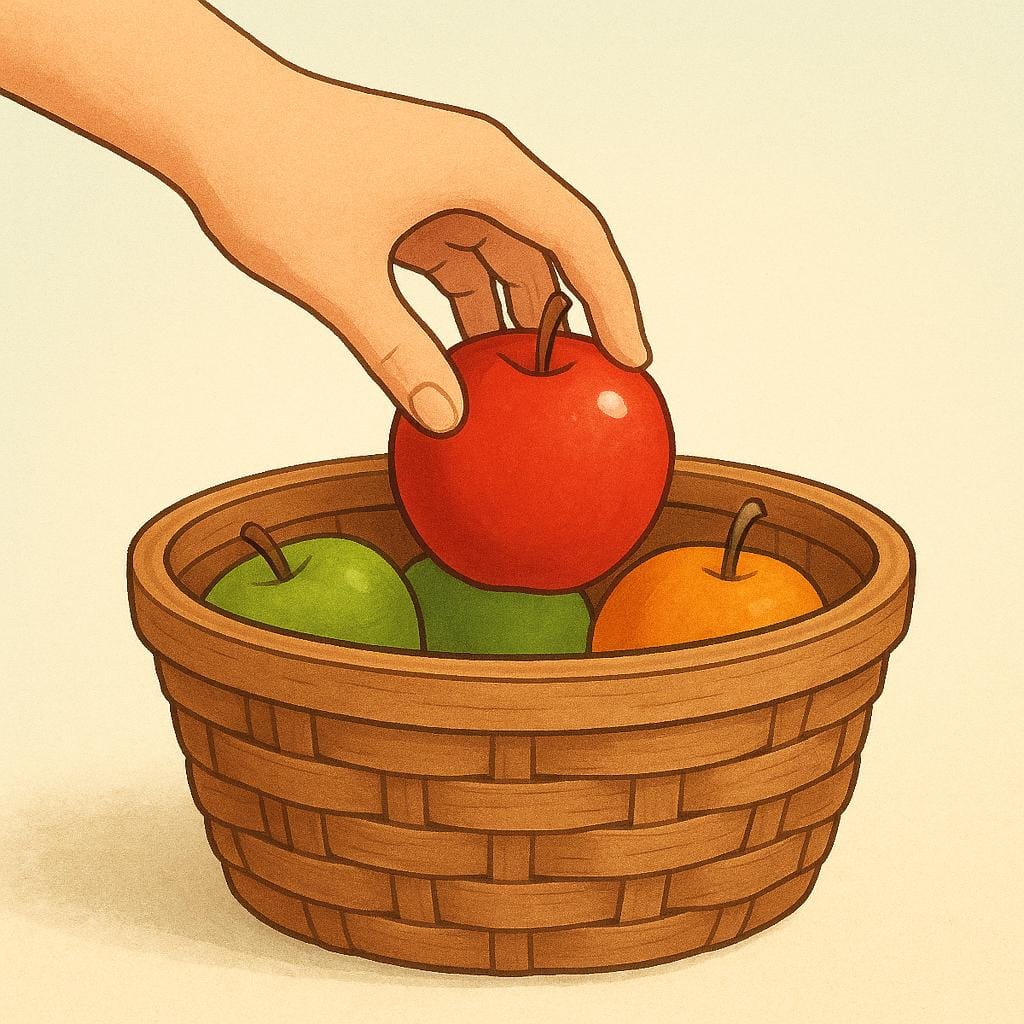
¿Tomaste las llaves antes de salir?
Did you take the keys before leaving?
Tomaste mi mano cuando cruzamos la calle.
You took my hand when we crossed the street.
Tomaste una foto muy bonita.
You took a very beautiful photo.
The 'You' We Are Talking To
This word, 'tomaste,' is specifically used when you are talking directly to one person you know well (tú). It means 'You took' or 'You grabbed'—a completed action.
Mixing Past Tenses
Mistake: “Using 'tomabas' instead of 'tomaste' for a single, completed action.”
Correction: 'Tomaste' is for an action finished at a specific time ('Yesterday, you took the picture'). 'Tomabas' is for ongoing or habitual past actions ('You used to take pictures').
cogiste
ko-HEES-tehkoˈxiste
Examples
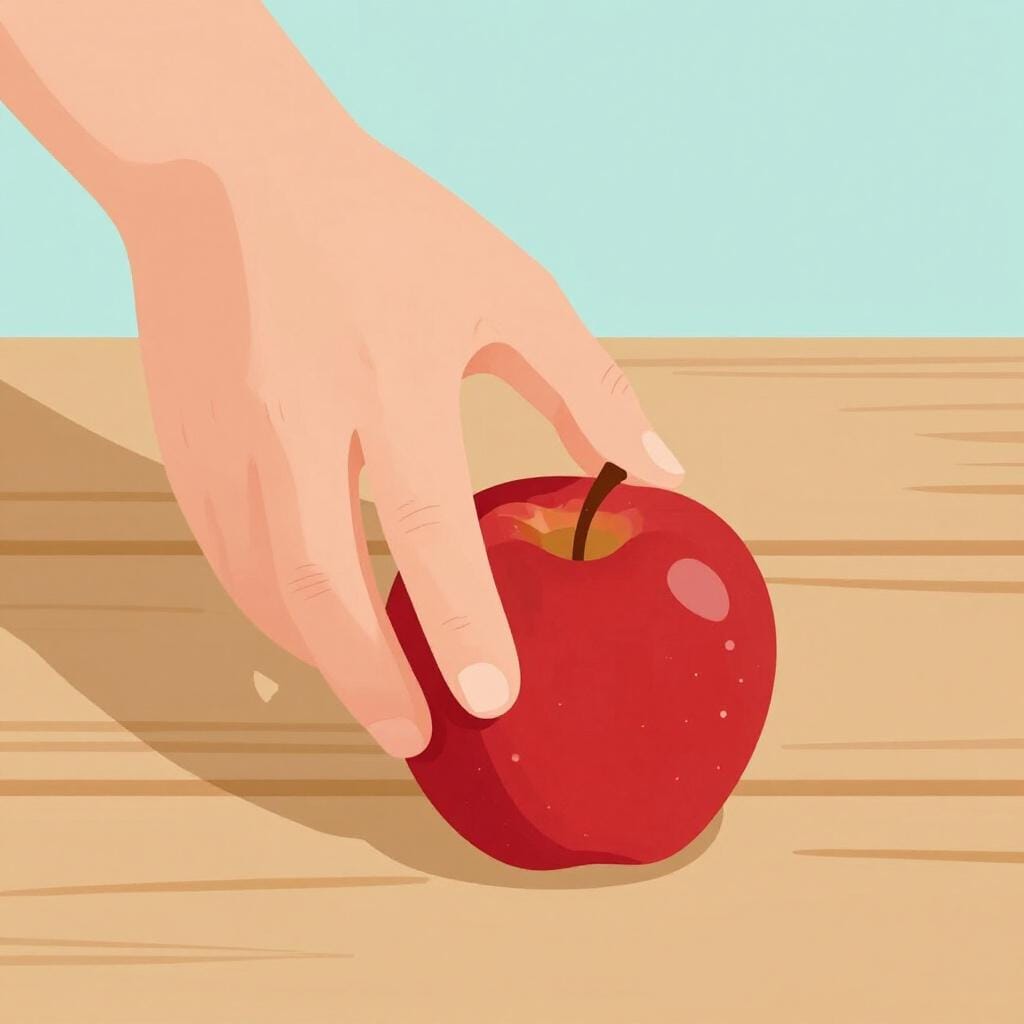
¿Cogiste las llaves de la mesa?
Did you grab the keys from the table?
Sé que cogiste el autobús de las ocho.
I know you caught the eight o'clock bus.
No me digas que cogiste un resfriado.
Don't tell me you caught a cold.
Completed Past Actions
This word is the 'tú' form for actions that started and finished in the past. Use it when talking to a friend about something they picked up or caught.
The G and J Spelling Rule
While 'cogiste' uses a 'g', other forms like 'yo cojo' use a 'j' to keep the breathy 'h' sound. If the next letter is 'e' or 'i', use 'g'. If it's 'a' or 'o', use 'j'.
Adding a 's' at the end
Mistake: “cogistes”
Correction: cogiste
Informal vs. Quick Action
Related Translations
Learn Spanish with Inklingo
Interactive stories, personalized learning, and more.