How to Say "you took" in Spanish
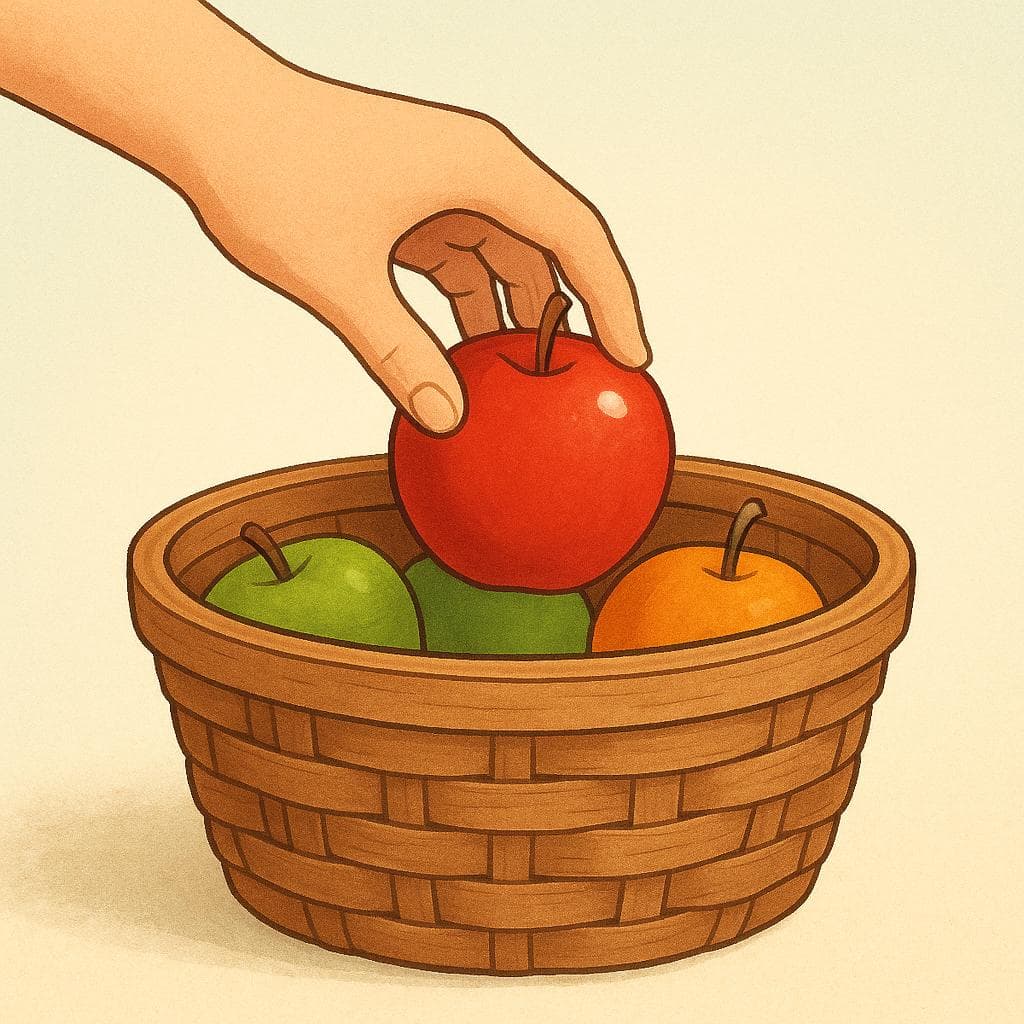
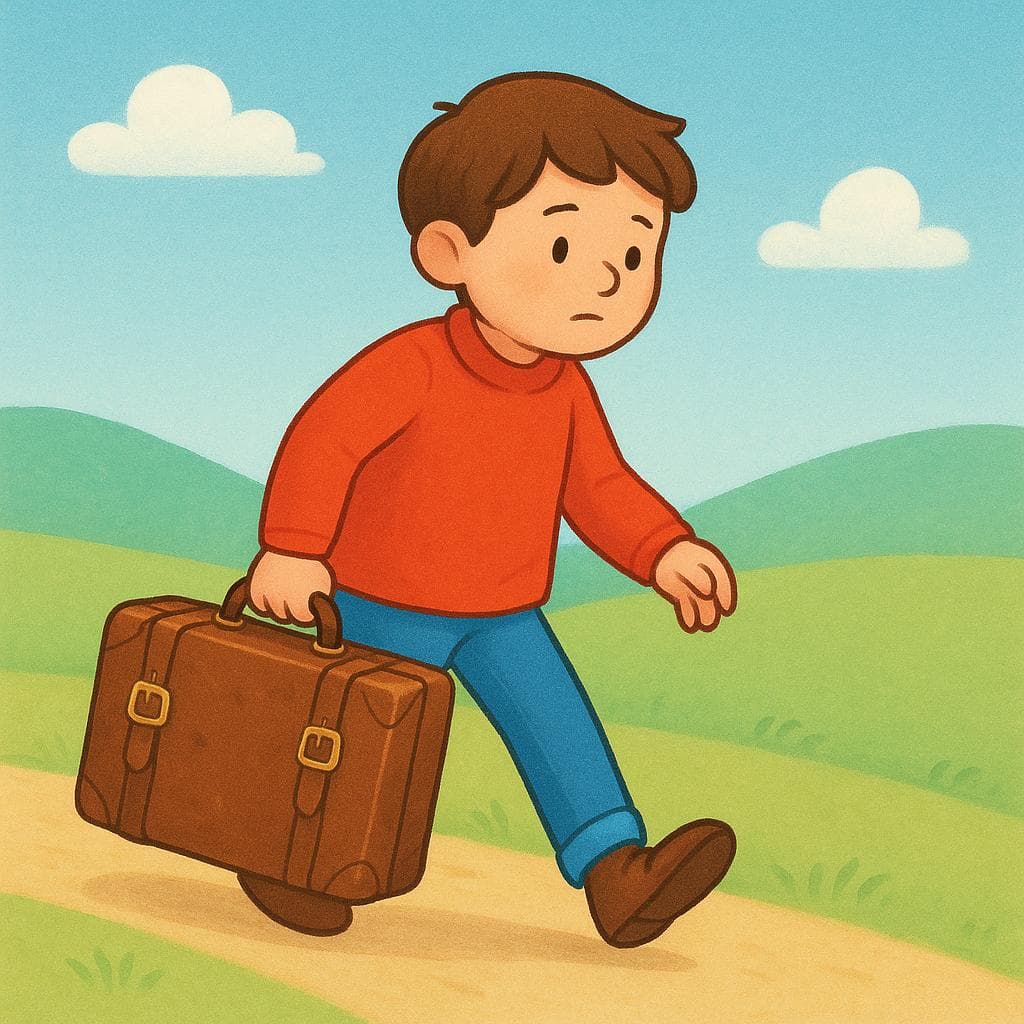
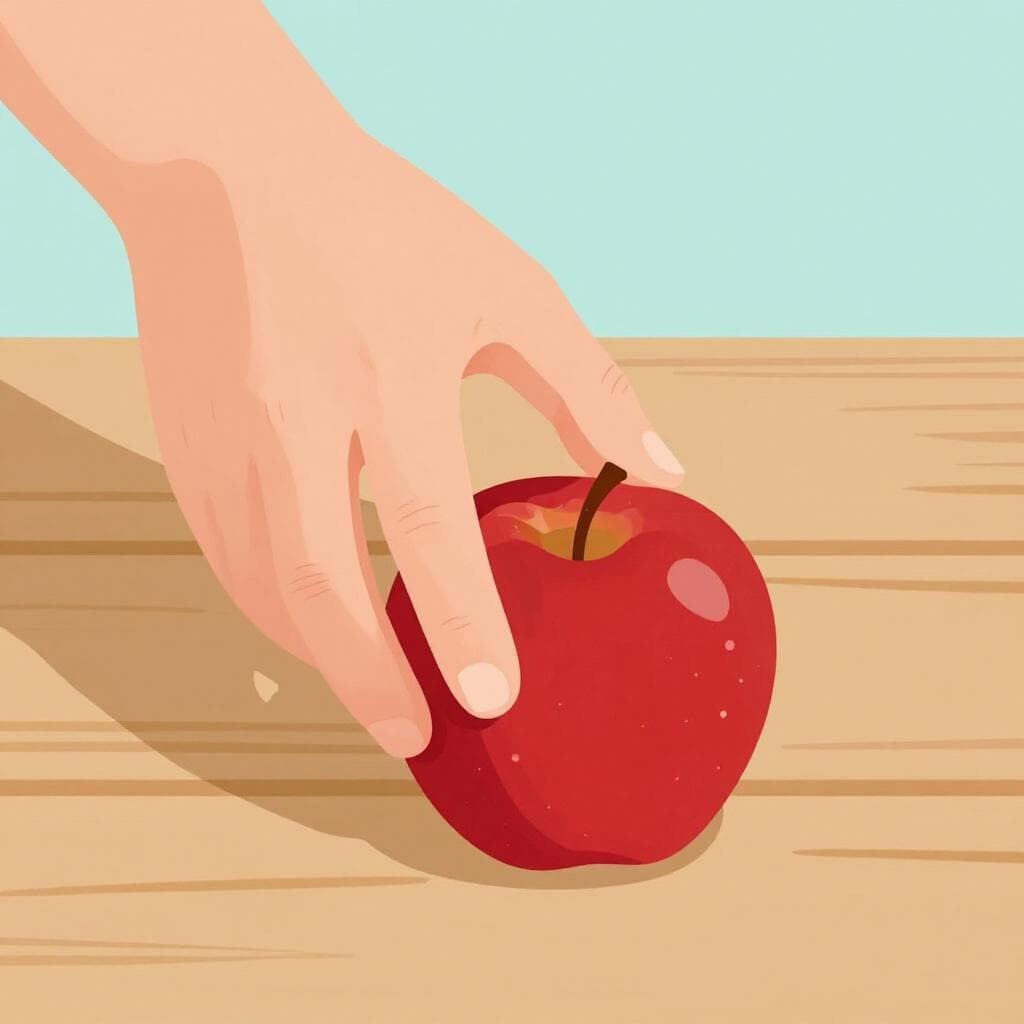
The most common Spanish word for “you took” is “tomaste” — use 'tomaste' when referring to the past action of taking something, especially an object like keys, or when indicating that you used a mode of transportation like a bus or subway.

tomaste
toh-MAHS-tehtoˈmaste
Examples
¿Tomaste las llaves antes de salir?
Did you take the keys before leaving?
Tomaste mi mano cuando cruzamos la calle.
You took my hand when we crossed the street.
Tomaste una foto muy bonita.
You took a very beautiful photo.
Si tomaste el metro, llegarás más rápido.
If you took the subway, you will arrive faster.
The 'You' We Are Talking To
This word, 'tomaste,' is specifically used when you are talking directly to one person you know well (tú). It means 'You took' or 'You grabbed'—a completed action.
Mixing Past Tenses
Mistake: “Using 'tomabas' instead of 'tomaste' for a single, completed action.”
Correction: 'Tomaste' is for an action finished at a specific time ('Yesterday, you took the picture'). 'Tomabas' is for ongoing or habitual past actions ('You used to take pictures').
llevaste
yeh-VAHS-tehʎeˈβaste
Examples
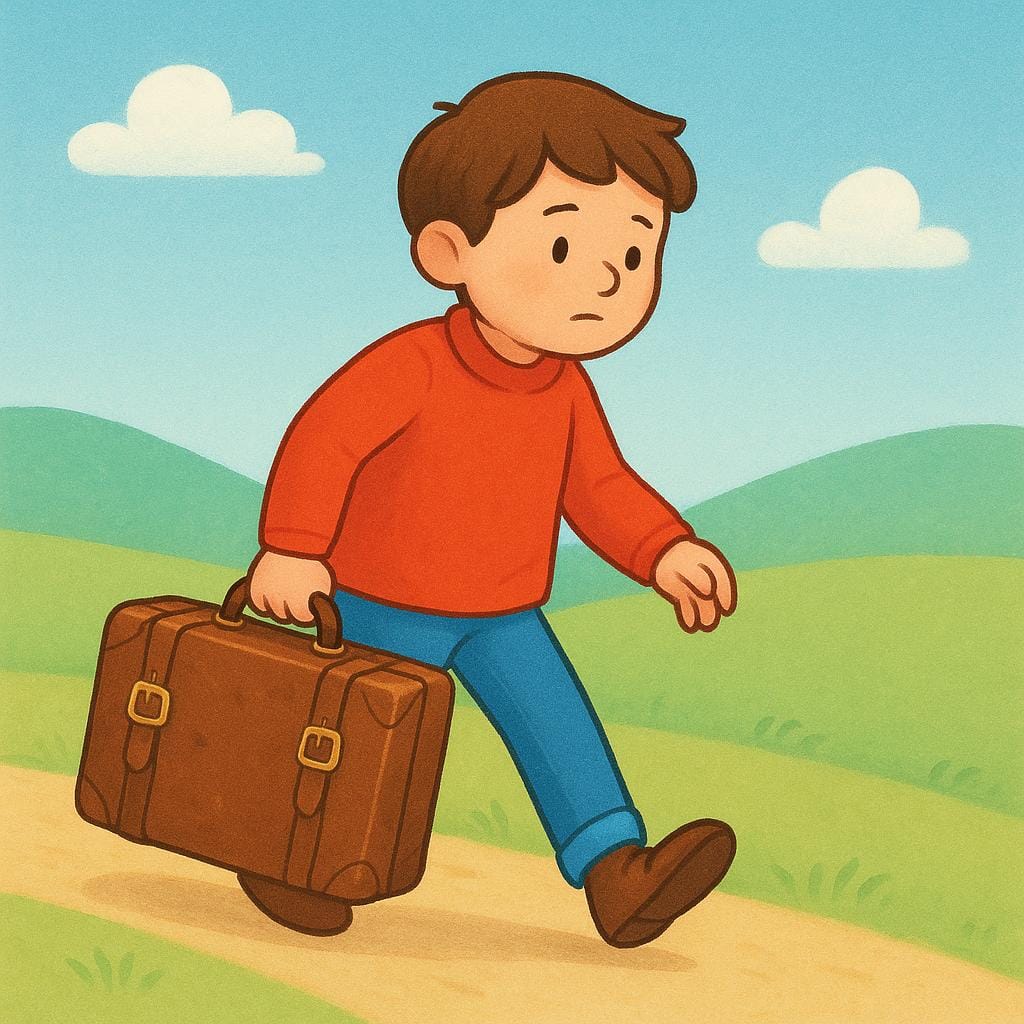
¿Por qué llevaste tantas maletas al viaje?
Why did you carry so many suitcases on the trip?
Llevaste los libros a la biblioteca ayer.
You took the books to the library yesterday.
Simple Past Action (Preterite)
This form 'llevaste' tells you that the action of carrying or taking happened once and finished completely in the past.
'Tú' Form
'Llevaste' is the 'tú' form, meaning you are talking directly to one person informally about what they did.
Llevar vs. Traer
Mistake: “Using 'llevar' when you mean 'traer' (to bring to the speaker's location).”
Correction: 'Llevar' means to take *away* from the speaker. 'Traer' means to bring *to* the speaker. If you are talking to someone about what they brought to your house, use 'trajiste', not 'llevaste'.
cogiste
ko-HEES-tehkoˈxiste
Examples
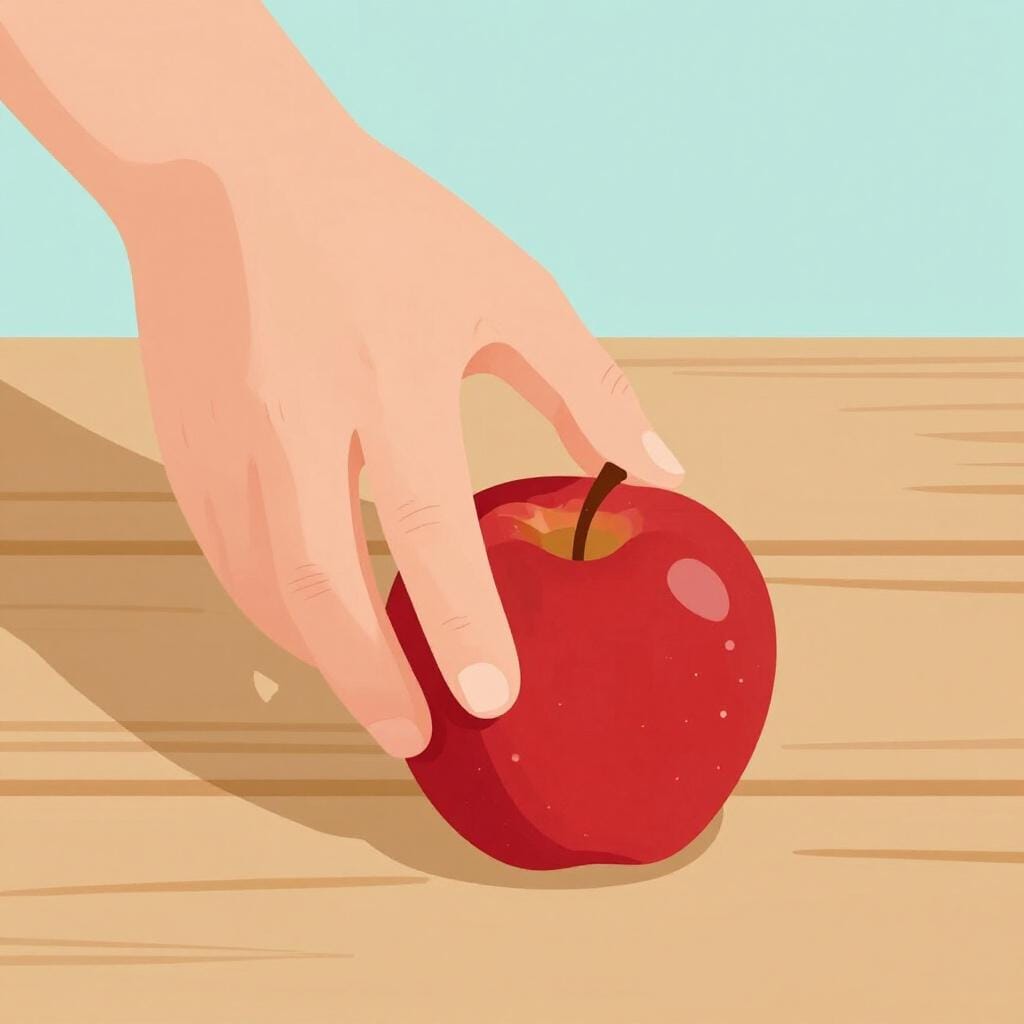
¿Cogiste las llaves de la mesa?
Did you take the keys from the table?
Sé que cogiste el autobús de las ocho.
I know you caught the eight o'clock bus.
No me digas que cogiste un resfriado.
Don't tell me you caught a cold.
Completed Past Actions
This word is the 'tú' form for actions that started and finished in the past. Use it when talking to a friend about something they picked up or caught.
The G and J Spelling Rule
While 'cogiste' uses a 'g', other forms like 'yo cojo' use a 'j' to keep the breathy 'h' sound. If the next letter is 'e' or 'i', use 'g'. If it's 'a' or 'o', use 'j'.
Adding a 's' at the end
Mistake: “cogistes”
Correction: cogiste
hiciste
ee-SEES-tehiˈsis.te

Examples
¿Qué hiciste ayer por la tarde?
What did you do yesterday afternoon?
Hiciste un pastel delicioso para mi cumpleaños.
You made a delicious cake for my birthday.
Me encantó el dibujo que hiciste.
I loved the drawing you made.
A Key Past Tense Form
'Hiciste' is a form of the 'pretérito' tense, which talks about completed actions in the past. Use it for things that had a clear beginning and end, like 'Ayer, hiciste la cena' (Yesterday, you made dinner).
Who are you talking to?
This form is specifically for talking to 'tú' – one person you know well, like a friend, sibling, or classmate. For someone you'd address formally as 'usted', you would use 'hizo'.
Confusing 'hiciste' and 'hacías'
Mistake: “Cuando eras niño, siempre hiciste la tarea.”
Correction: Cuando eras niño, siempre hacías la tarea. Use 'hiciste' for a one-time, completed action. For repeated actions or habits in the past (like something you 'always' or 'used to' do), use 'hacías'.
Confusing 'taking' objects with 'taking' transportation
Related Translations
Learn Spanish with Inklingo
Interactive stories, personalized learning, and more.