Inklingo

cogiste

/ko-HEES-teh/

you took

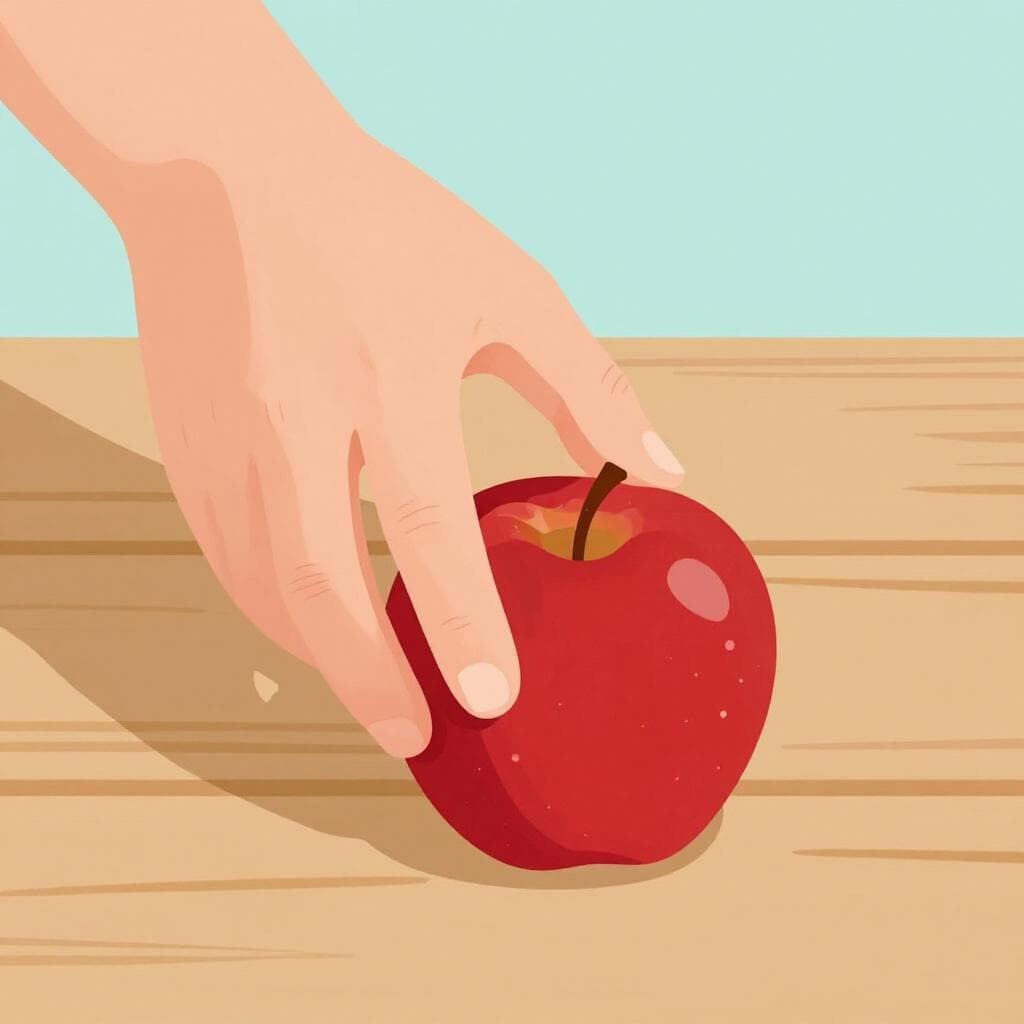
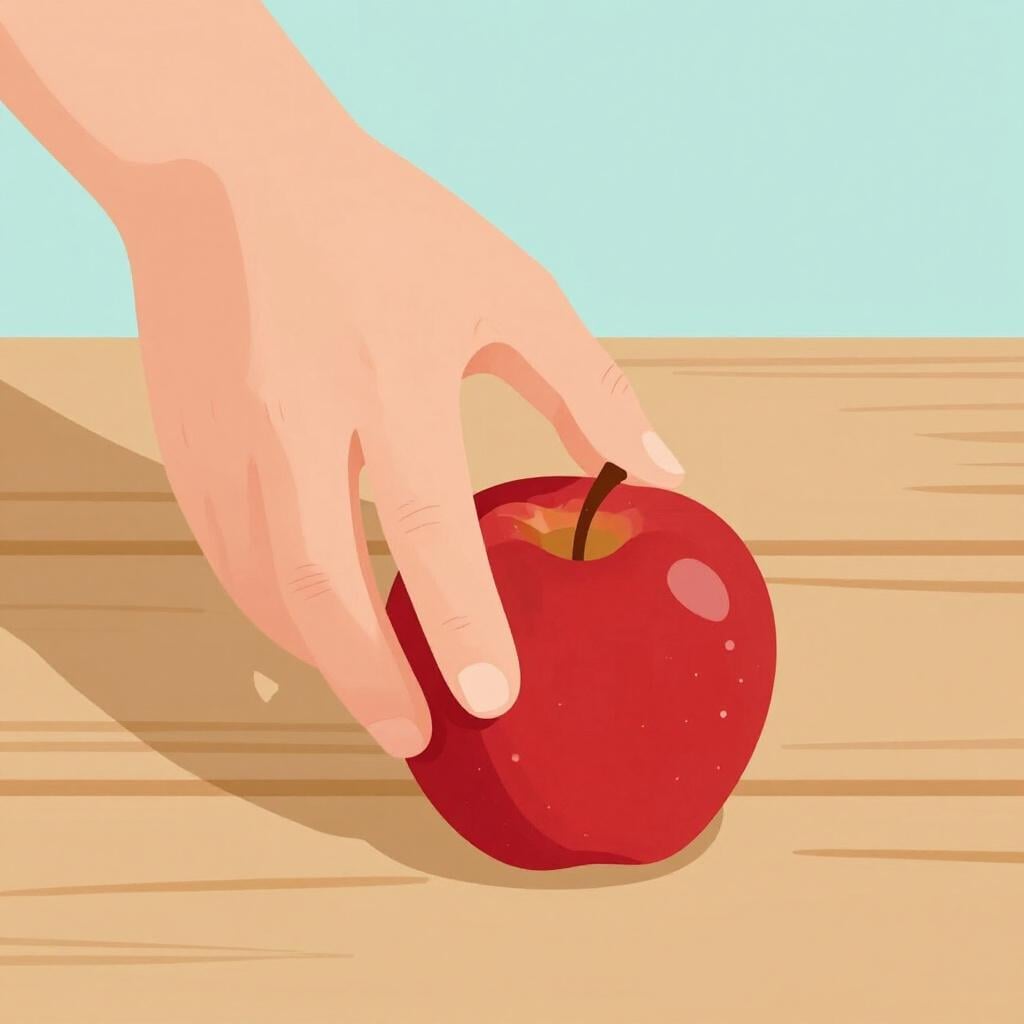
A hand picking up a bright red apple from a wooden table.

A person picking up an object, illustrating the action of taking something.

cogiste(verb)

A2spelling-change er

you took

?

picking up an object

,

you caught

?

catching a bus, train, or a ball

Also:

you grabbed

?

picking something up quickly

,

you picked up

?

collecting someone or something

📝 In Action

¿Cogiste las llaves de la mesa?

A1

Did you take the keys from the table?

Sé que cogiste el autobús de las ocho.

A2

I know you caught the eight o'clock bus.

No me digas que cogiste un resfriado.

B1

Don't tell me you caught a cold.

Word Connections

Synonyms

  • tomaste (you took)
  • agarraste (you grabbed)

Antonyms

  • soltaste (you let go)
  • dejaste (you left/dropped)

Common Collocations

  • cogiste el teléfonoyou answered the phone
  • cogiste sitioyou got a seat/spot

💡 Grammar Points

Completed Past Actions

This word is the 'tú' form for actions that started and finished in the past. Use it when talking to a friend about something they picked up or caught.

The G and J Spelling Rule

While 'cogiste' uses a 'g', other forms like 'yo cojo' use a 'j' to keep the breathy 'h' sound. If the next letter is 'e' or 'i', use 'g'. If it's 'a' or 'o', use 'j'.

❌ Common Pitfalls

Adding a 's' at the end

Mistake: "cogistes"

Correction: cogiste

⭐ Usage Tips

Safe Travel Tip

In Spain, use this word freely for 'taking' a bus or 'grabbing' a coffee. In Latin America, people prefer 'tomaste' or 'agarraste' to avoid accidental slang.

A person with a bright yellow lightbulb glowing above their head and a happy expression.

A glowing lightbulb represents the moment of understanding an idea or joke.

cogiste(verb)

B1

you got it

?

understanding a joke or idea

Also:

you understood

?

catching the meaning of something

📝 In Action

¿Cogiste el chiste?

B1

Did you get the joke?

Por fin cogiste la idea principal.

B2

You finally got the main idea.

Word Connections

Synonyms

  • entendiste (you understood)
  • comprendiste (you comprehended)

⭐ Usage Tips

Metaphorical Catching

Just like in English we 'catch' someone's drift, in Spanish you can 'catch' (coger) an idea or a joke.

Two cute birds sitting close together on a tree branch with small red hearts floating above them.

Two birds close together with hearts to represent intimacy.

cogiste(verb)

C2

you had sex

?

vulgar slang for intercourse

📝 In Action

Me dijeron que te la cogiste.

C2

They told me you slept with her (vulgar).

🔄 Conjugations

subjunctive

imperfect

ellos/ellas/ustedescogieran
yocogiera
cogieras
vosotroscogierais
nosotroscogiéramos
él/ella/ustedcogiera

present

ellos/ellas/ustedescojan
yocoja
cojas
vosotroscojáis
nosotroscojamos
él/ella/ustedcoja

indicative

preterite

ellos/ellas/ustedescogieron
yocogí
cogiste
vosotroscogisteis
nosotroscogimos
él/ella/ustedcogió

imperfect

ellos/ellas/ustedescogían
yocogía
cogías
vosotroscogíais
nosotroscogíamos
él/ella/ustedcogía

present

ellos/ellas/ustedescogen
yocojo
coges
vosotroscogéis
nosotroscogemos
él/ella/ustedcoge

✏️ Quick Practice

💡 Quick Quiz: cogiste

Question 1 of 2

If you are in Mexico City and want to tell someone 'You took my pen,' which word is safest to use instead of 'cogiste'?

📚 More Resources

Word Family

coger(to take/grab) - verb

Frequently Asked Questions

Is 'cogiste' a bad word?

It depends on where you are. In Spain, it's a normal word for 'you took.' In Mexico and Argentina, it's very vulgar slang for having sex.

Why does the 'g' sometimes change to a 'j'?

Spanish spelling rules change the 'g' to a 'j' before 'a' or 'o' to keep the sound consistent. So while it's 'cogiste' with a 'g', it's 'yo cojo' with a 'j'.