How to Say "you placed" in Spanish
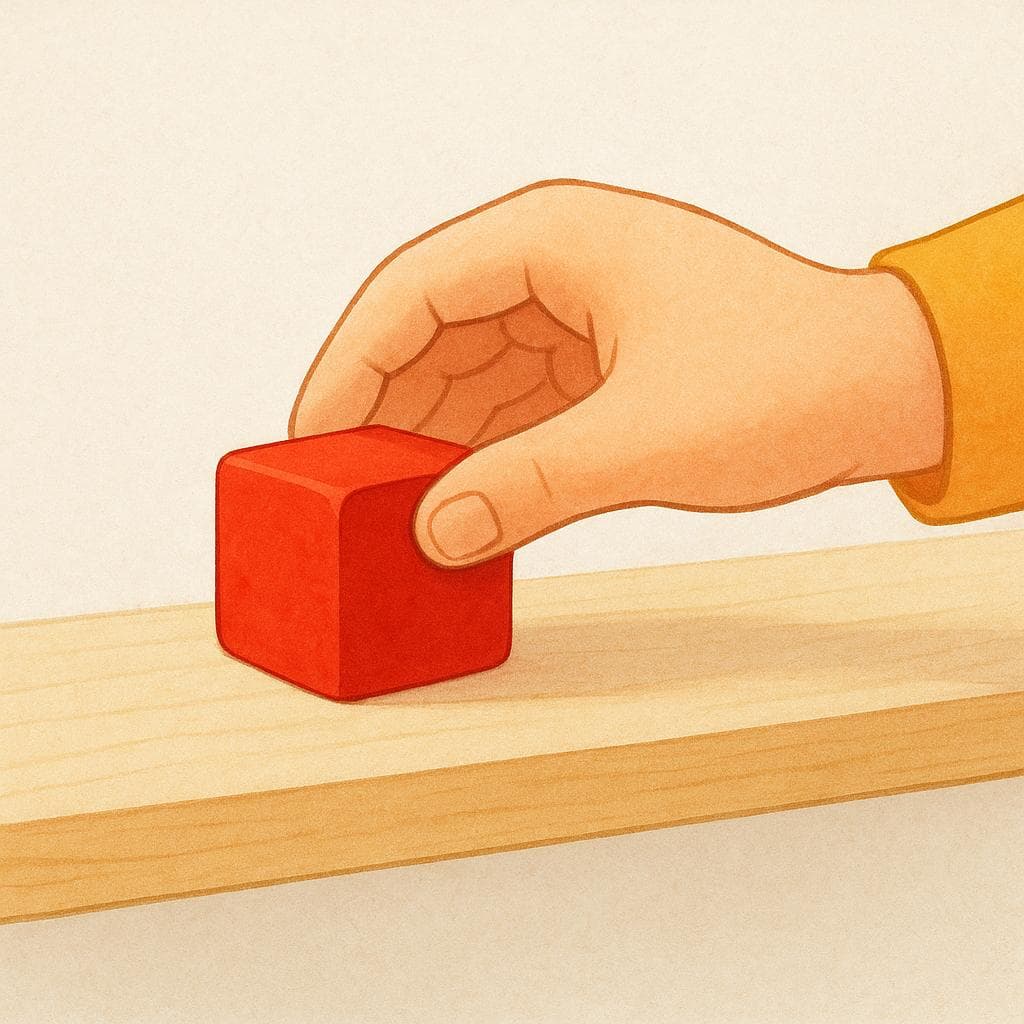
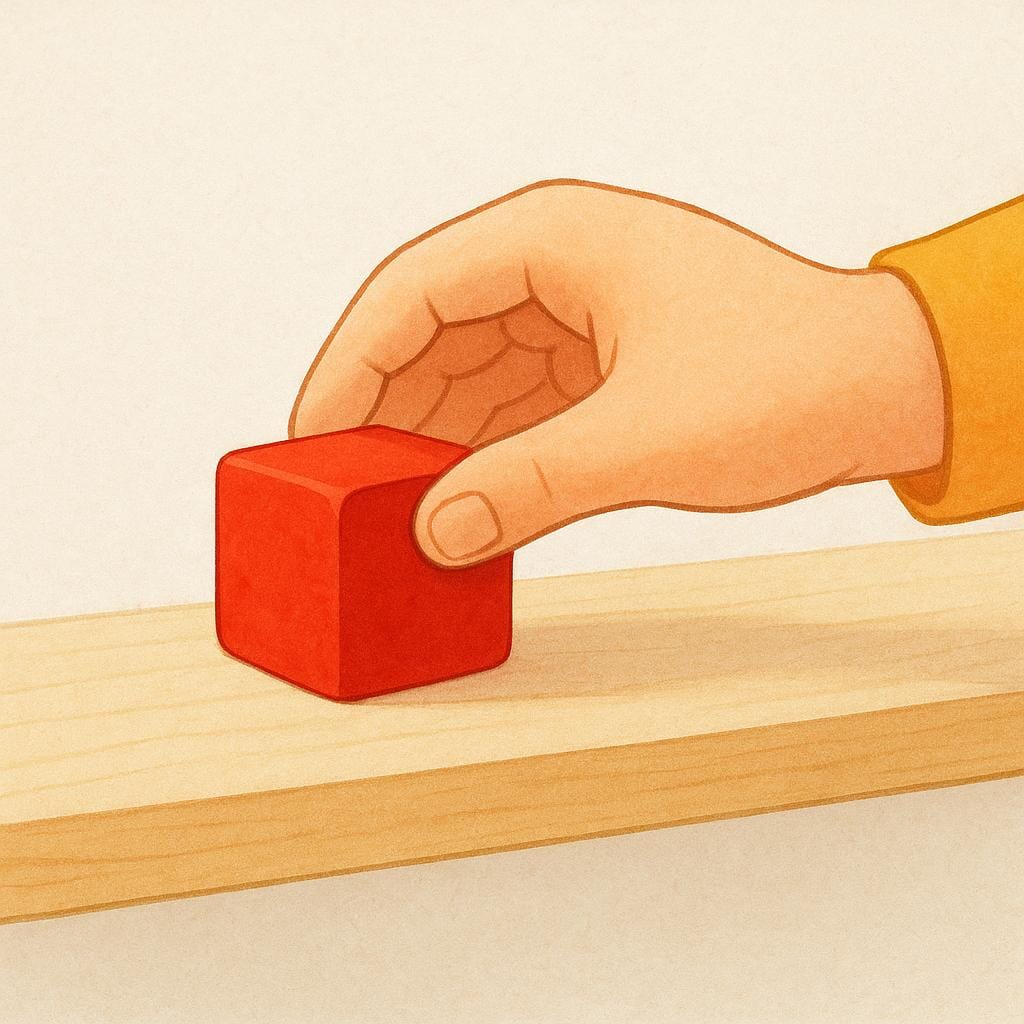
The most common Spanish word for “you placed” is “pusiste” — use this when referring to the physical act of putting or setting something down in a specific location.

pusiste
poo-SEES-tehpuˈsiste
Examples
¿Dónde pusiste mi libro de español anoche?
Where did you put my Spanish book last night?
Tú pusiste la mesa antes de que llegaran los invitados.
You set the table before the guests arrived.
The 'Poner' Preterite Irregularity
The verb 'poner' (to put) is highly irregular in the simple past (preterite). Instead of 'poní' or 'ponió,' it uses the special root 'pus-' and has unique endings.
Focus on Completed Action
'Pusiste' describes an action that started and finished completely in the past, like placing an item down one time: 'Yesterday, you put the box here.'
Confusing Preterite and Imperfect
Mistake: “Usando 'ponías' cuando la acción fue terminada.”
Correction: Use 'pusiste' (simple past) for a specific, completed action. 'Ponías' (imperfect) means 'you used to put' or 'you were putting.'
metiste
meh-TEES-tehmeˈtiste

Examples
¿Dónde metiste mi libro? Lo necesito ahora.
Where did you put my book? I need it now.
Metiste la llave equivocada en la cerradura.
You put the wrong key in the lock.
Metiste demasiado dinero en esa máquina tragamonedas.
You put too much money into that slot machine.
Identifying the Speaker and Time
'Metiste' tells you two things instantly: the person who did the action was 'tú' (the informal 'you'), and the action happened and finished completely in the past.
Regular Verb Pattern
The verb 'meter' is regular, which means its past tense ('metí', 'metiste', 'metió', etc.) follows the standard, predictable pattern for verbs ending in -ER.
Confusing Past Tenses
Mistake: “Using 'metías' when talking about a single, finished action (e.g., 'Ayer metías el dinero en la cartera').”
Correction: Use 'metiste' for a single, completed action: 'Ayer metiste el dinero en la cartera' (Yesterday you put the money in the wallet). Use 'metías' only for repeated or ongoing past actions.
Informal vs. Formal 'Putting'
Related Translations
Learn Spanish with Inklingo
Interactive stories, personalized learning, and more.