Bedroom in Spanish
Welcome to your Spanish vocabulary guide for the bedroom! Knowing words for this personal space is super useful, whether you're describing your own room or staying at a hotel. Spanish has a couple of common words for 'bedroom', so you'll learn to navigate those and all the essential items within it.
Quick Reference
| Spanish | English | Example | Level |
|---|---|---|---|
almohada | pillow | Necesito una almohada más suave para dormir bien. | A1 |
cama | bed | Todas las mañanas hago la cama. | A1 |
colchón | mattress | Este colchón es muy cómodo y blando. | A1 |
dormitorio | bedroom | Mi dormitorio está en el segundo piso de la casa. | A1 |
sábana | sheet | Necesito comprar un juego de sábanas nuevas para mi cama. | A1 |
lecho | bed | El guerrero descansaba en su lecho de piedra. | B2 |
alcoba | bedroom | La princesa dormía en su lujosa alcoba. | B1 |
A1 — Beginner (5 words)
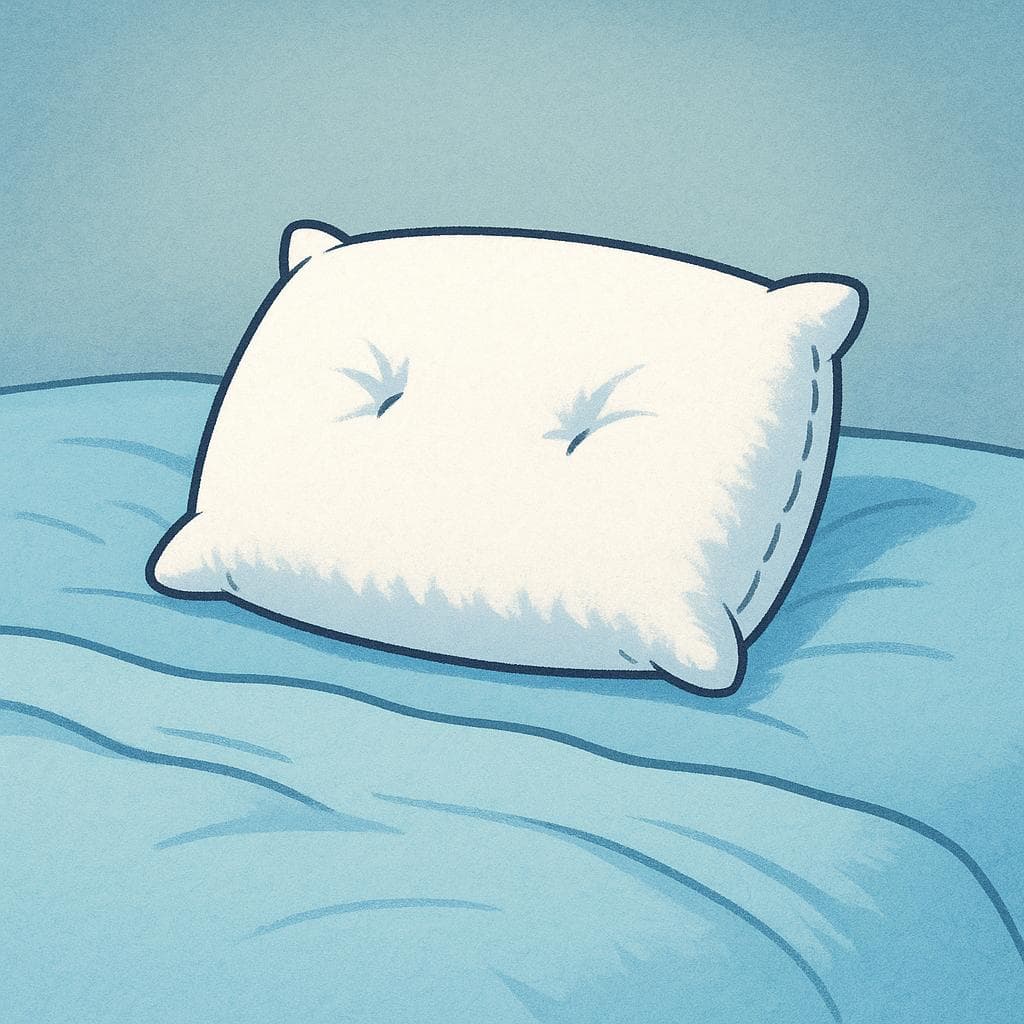
pillow
“Necesito una almohada más suave para dormir bien.”
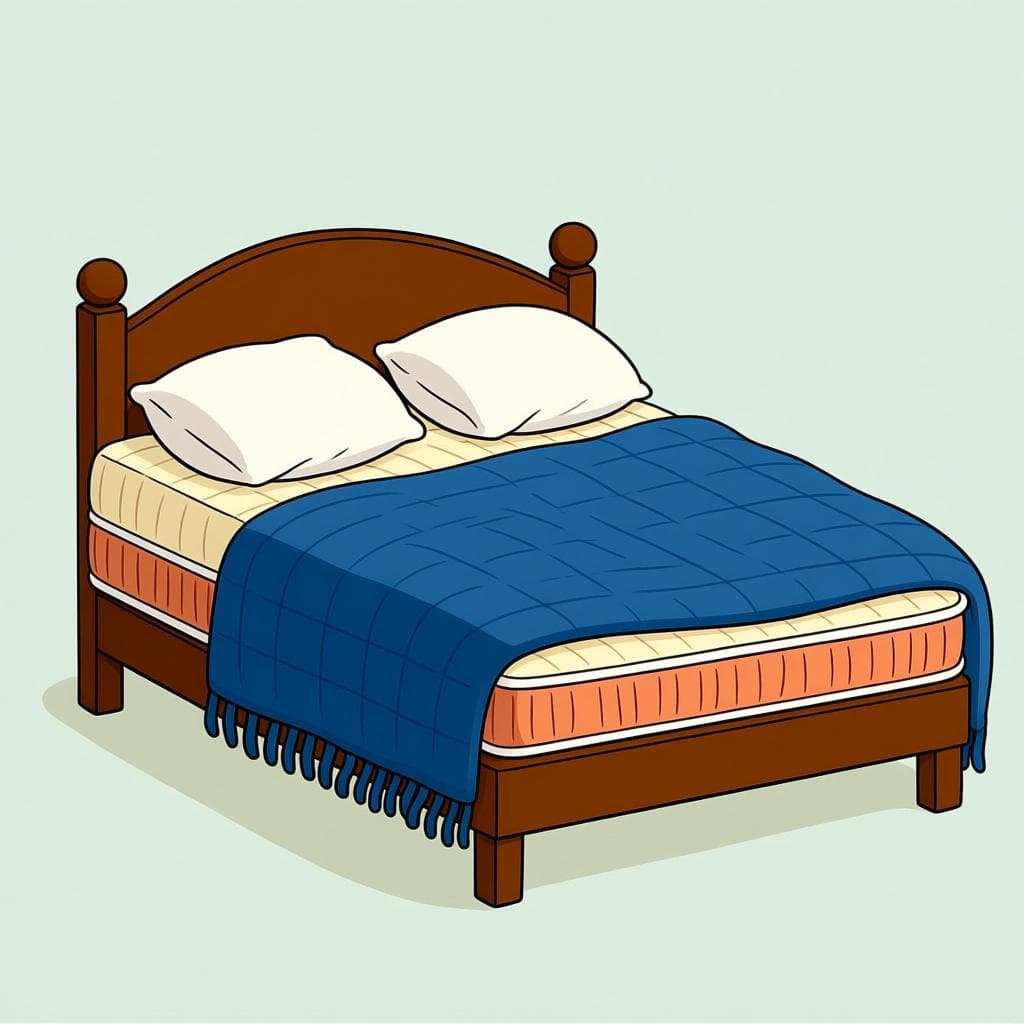
bed
“Todas las mañanas hago la cama.”
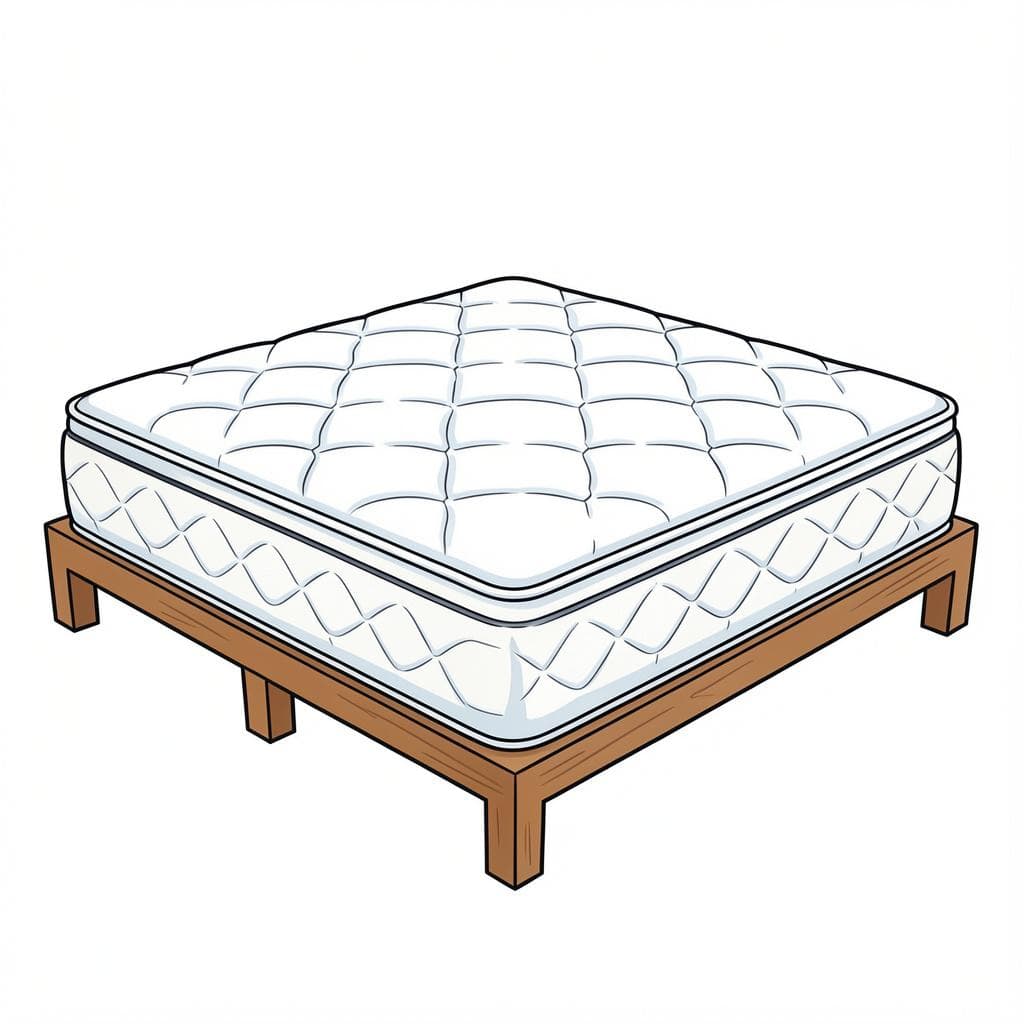
mattress
“Este colchón es muy cómodo y blando.”
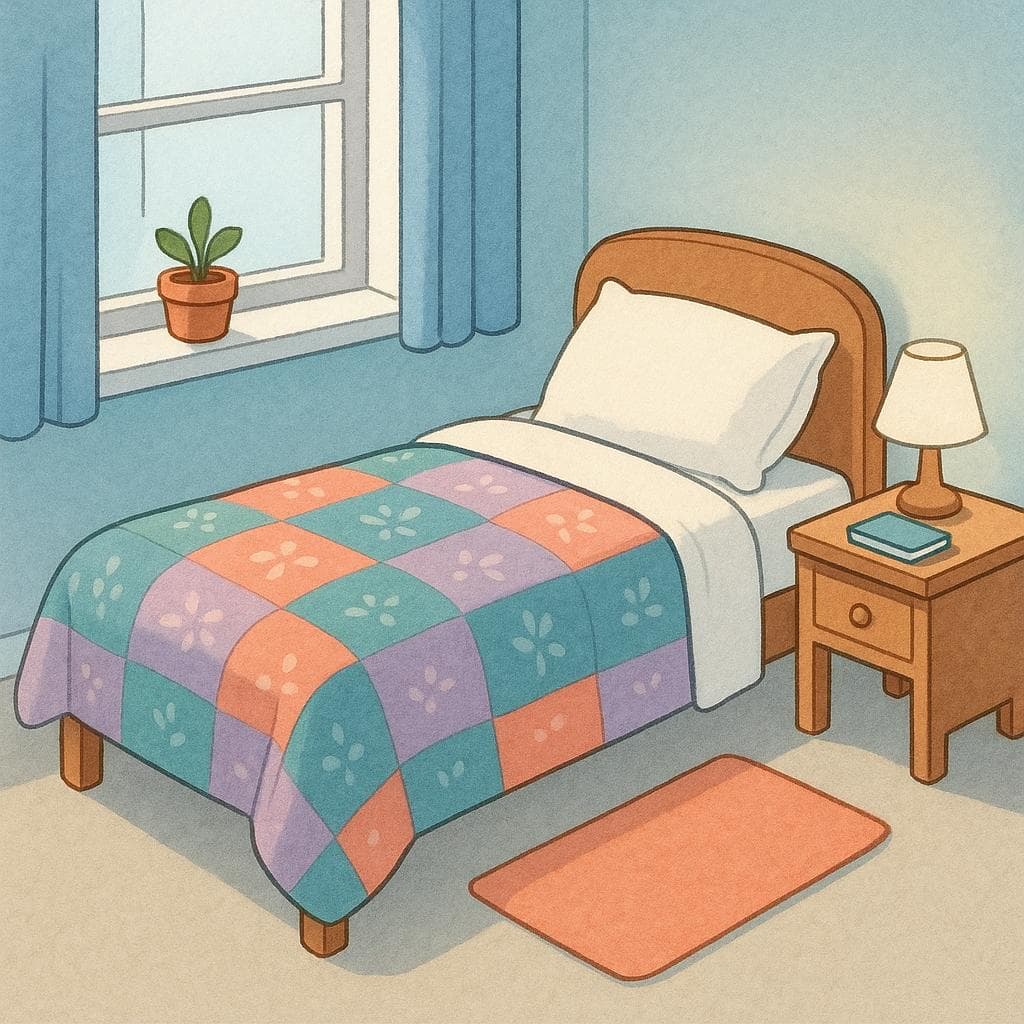
bedroom
“Mi dormitorio está en el segundo piso de la casa.”
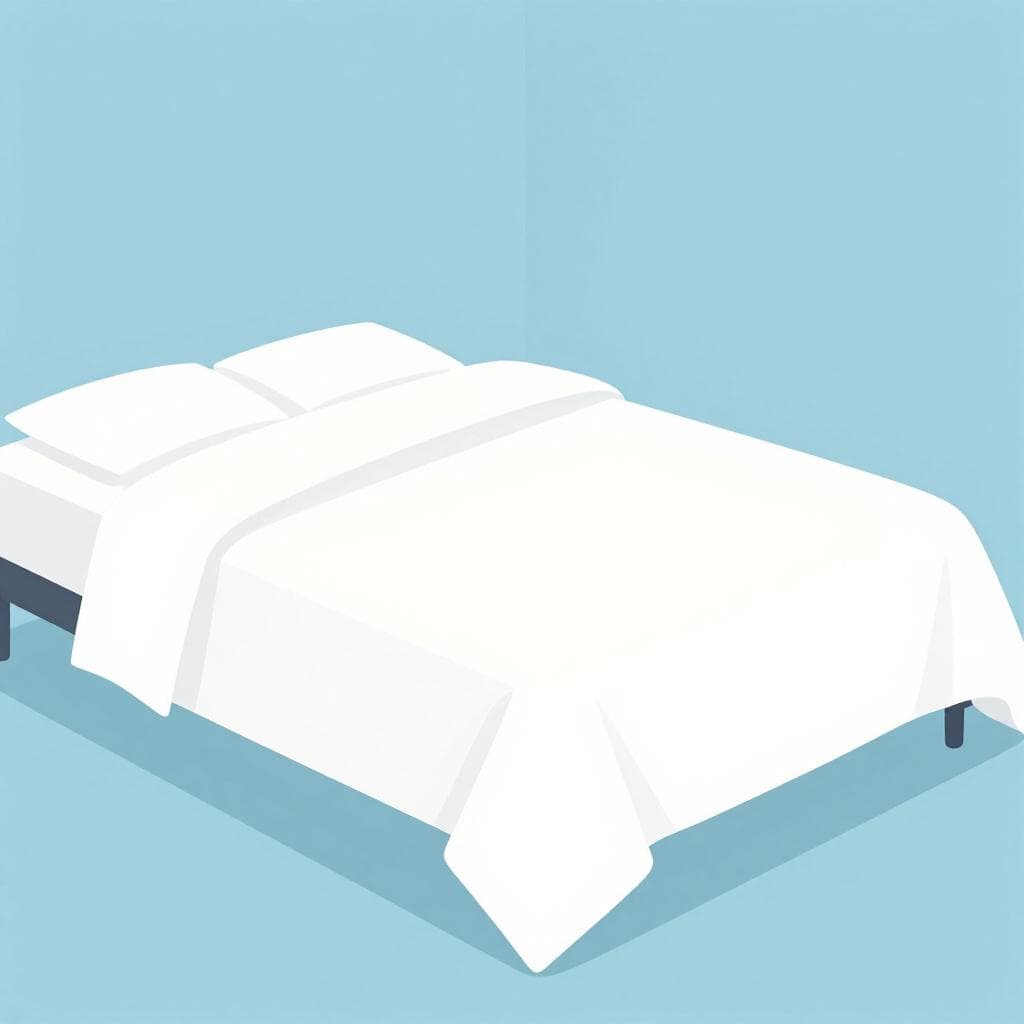
sheet
“Necesito comprar un juego de sábanas nuevas para mi cama.”
B1 — Intermediate (1 words)

bedroom
“La princesa dormía en su lujosa alcoba.”
B2 — Upper Intermediate (1 words)
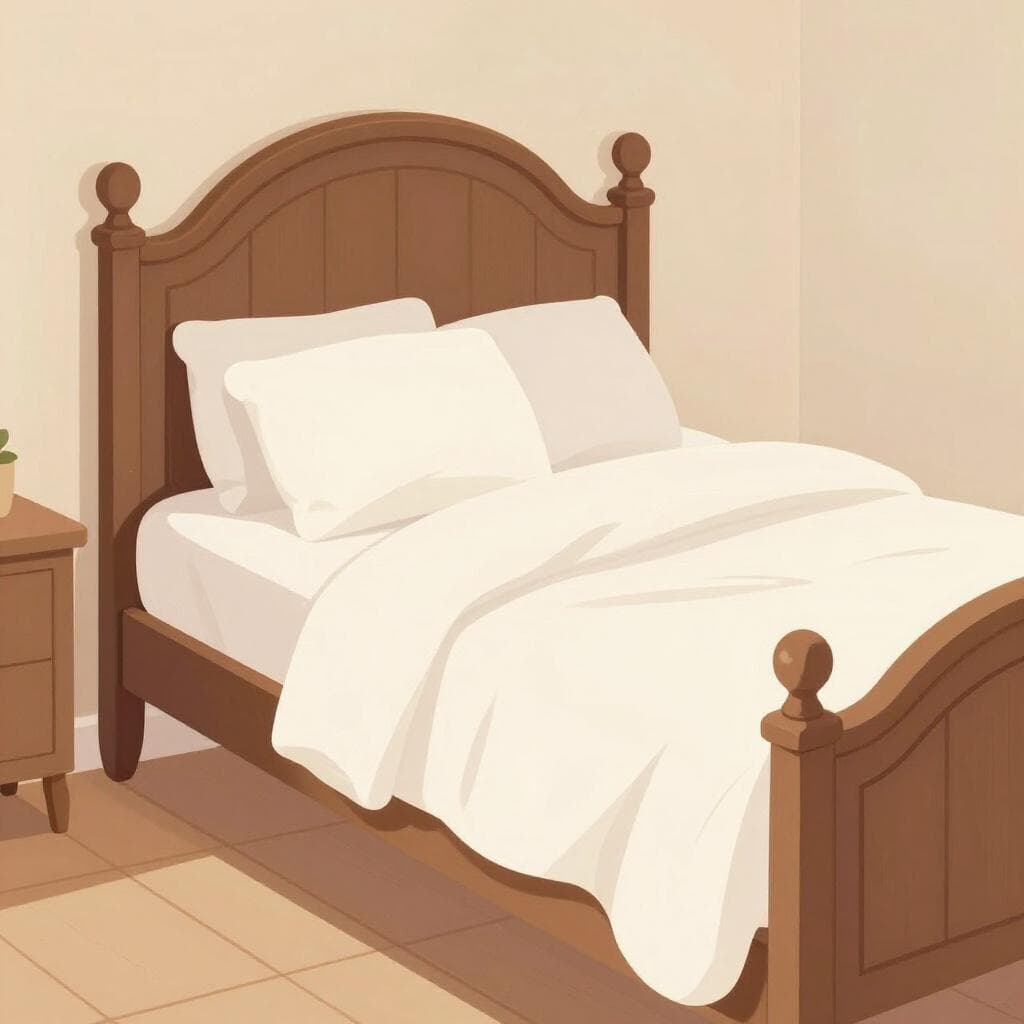
bed
“El guerrero descansaba en su lecho de piedra.”
Grammar Tips
Masculine vs. Feminine Nouns
Many Spanish nouns have a gender. 'El dormitorio' (masculine) and 'la alcoba' (feminine) both mean bedroom. Pay attention to the article (el/la) to know the gender. Most nouns ending in -o are masculine, and those ending in -a are feminine, but there are exceptions.
Pluralizing Nouns
Forming plurals is usually straightforward. If a noun ends in a vowel, add -s (e.g., 'la sábana' becomes 'las sábanas'). If it ends in a consonant, add -es (e.g., 'el colchón' becomes 'los colchones'). This applies to all nouns you'll see here.
Adjective Agreement
Adjectives in Spanish must agree in gender and number with the noun they describe. For example, if you have 'una cama cómoda' (a comfortable bed), you'd say 'unas camas cómodas' (some comfortable beds) – both the noun and adjective change.
Common Mistakes
Incorrect Adjective Agreement
Mistake: “Tengo una cama cómodo.”
Correction: Tengo una cama cómoda. — The adjective 'cómodo' (comfortable) must agree in gender with the feminine noun 'cama', so it becomes 'cómoda'.
Mixing Singular and Plural
Mistake: “Yo necesito una sábanas.”
Correction: Yo necesito unas sábanas. — 'Sábanas' is plural, so you need the plural article 'unas' (some/a few). If you meant one sheet, you'd say 'una sábana'.
Wrong Gender Article
Mistake: “El almohada está en la cama.”
Correction: La almohada está en la cama. — 'Almohada' is a feminine noun, so it requires the feminine article 'la', not the masculine 'el'.
Cultural Notes
Bedroom vs. Living Space
In many Spanish-speaking cultures, the bedroom ('dormitorio' or 'alcoba') is considered a more private space than in some English-speaking countries. It's less common for guests to be invited into a bedroom unless it's a very close friend or family member.
Regional Variations for 'Bed'
While 'cama' is the most common word for 'bed', 'lecho' is also used, often in more formal or literary contexts. You might also hear 'cama' used for a larger bed, like a double or queen, while a smaller one might simply be referred to by its size.