Cleaning & Chores in Spanish
Keeping your living space tidy is a universal task, and knowing the Spanish words for cleaning and household chores will make navigating daily life much easier. You'll be able to ask for help, describe what needs doing, and even discuss the latest cleaning gadgets. Interestingly, many verbs related to cleaning can also be used metaphorically, so mastering them opens up more expressive language possibilities!
Quick Reference
| Spanish | English | Example | Level |
|---|---|---|---|
barrer | to sweep | Necesito barrer el suelo de la cocina porque hay migas. | A1 |
basura | trash | Por favor, saca la basura. | A1 |
basurero | trash can | Por favor, tira ese papel en el basurero. | A1 |
cepillar | to brush | Debes cepillar al perro todos los días. | A1 |
cepillo | brush | Perdí mi cepillo de dientes en el viaje. | A1 |
champú | shampoo | Necesito comprar champú para cabello seco. | A1 |
colada | laundry | Tengo que hacer la colada antes de que anochezca. | A2 |
ensuciar | to dirty | No ensucies el suelo con los zapatos de fútbol. | A2 |
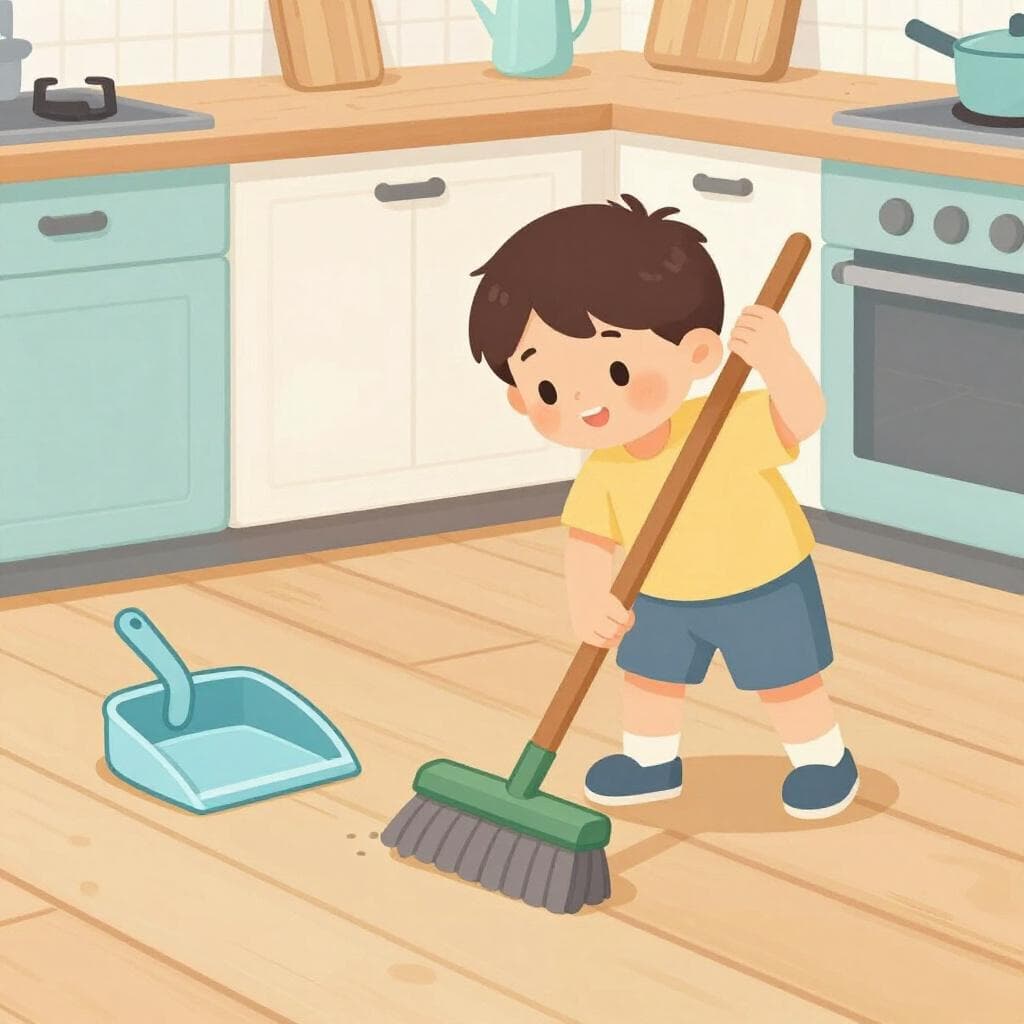
escoba | broom | Necesito una escoba para limpiar el suelo. | A1 |
esponja | sponge | Necesito una esponja nueva para lavar los platos. | A1 |
fregar | to scrub | Siempre me toca fregar los platos después de cenar. | A1 |
jabón | soap | Por favor, pásame la barra de jabón. | A1 |
A1 — Beginner (21 words)
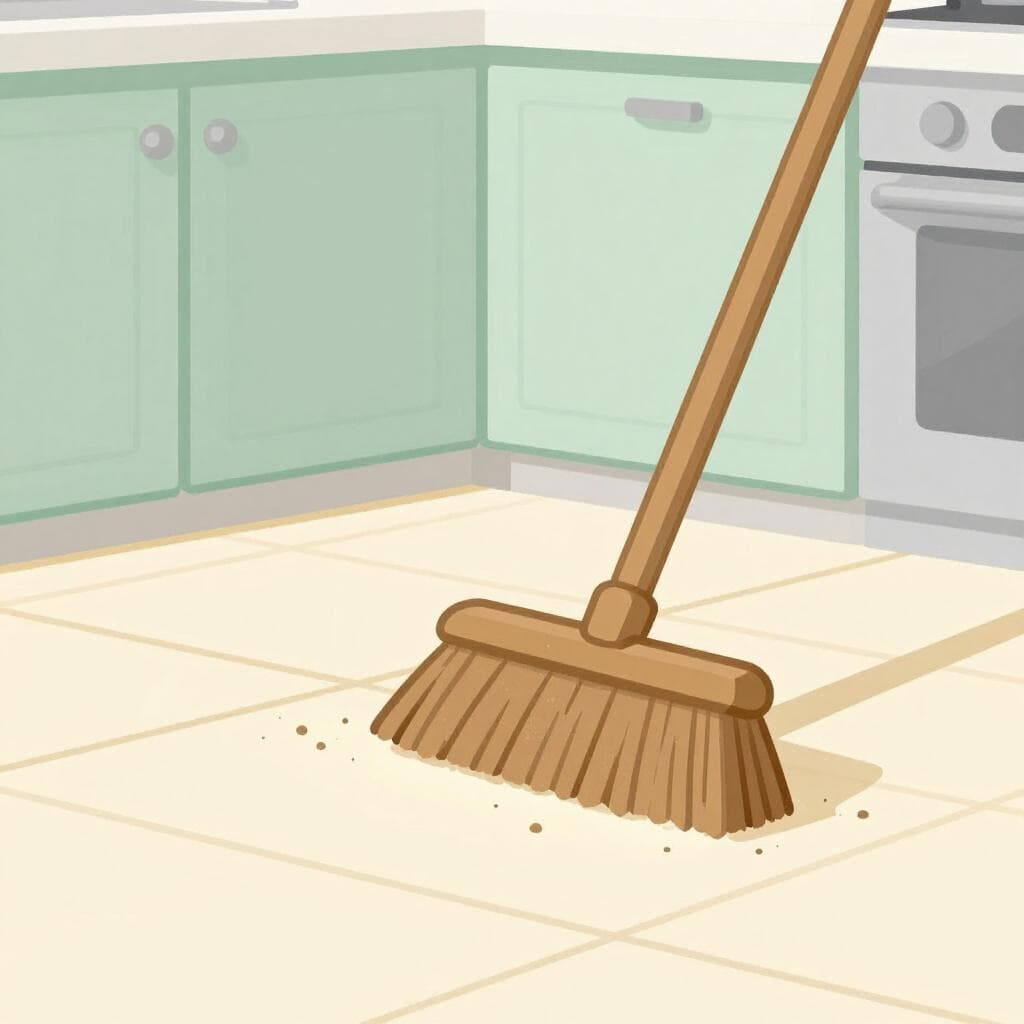
to sweep
“Necesito barrer el suelo de la cocina porque hay migas.”
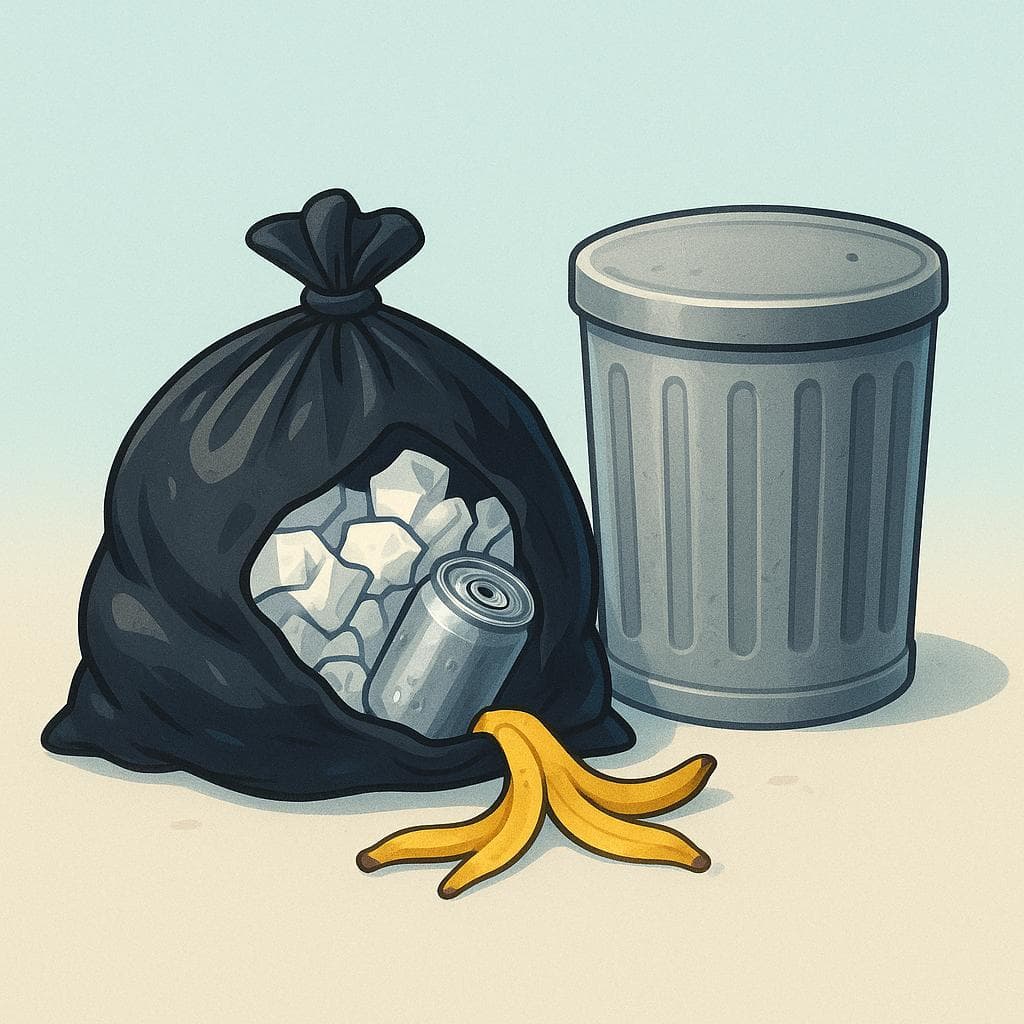
trash
“Por favor, saca la basura.”

trash can
“Por favor, tira ese papel en el basurero.”
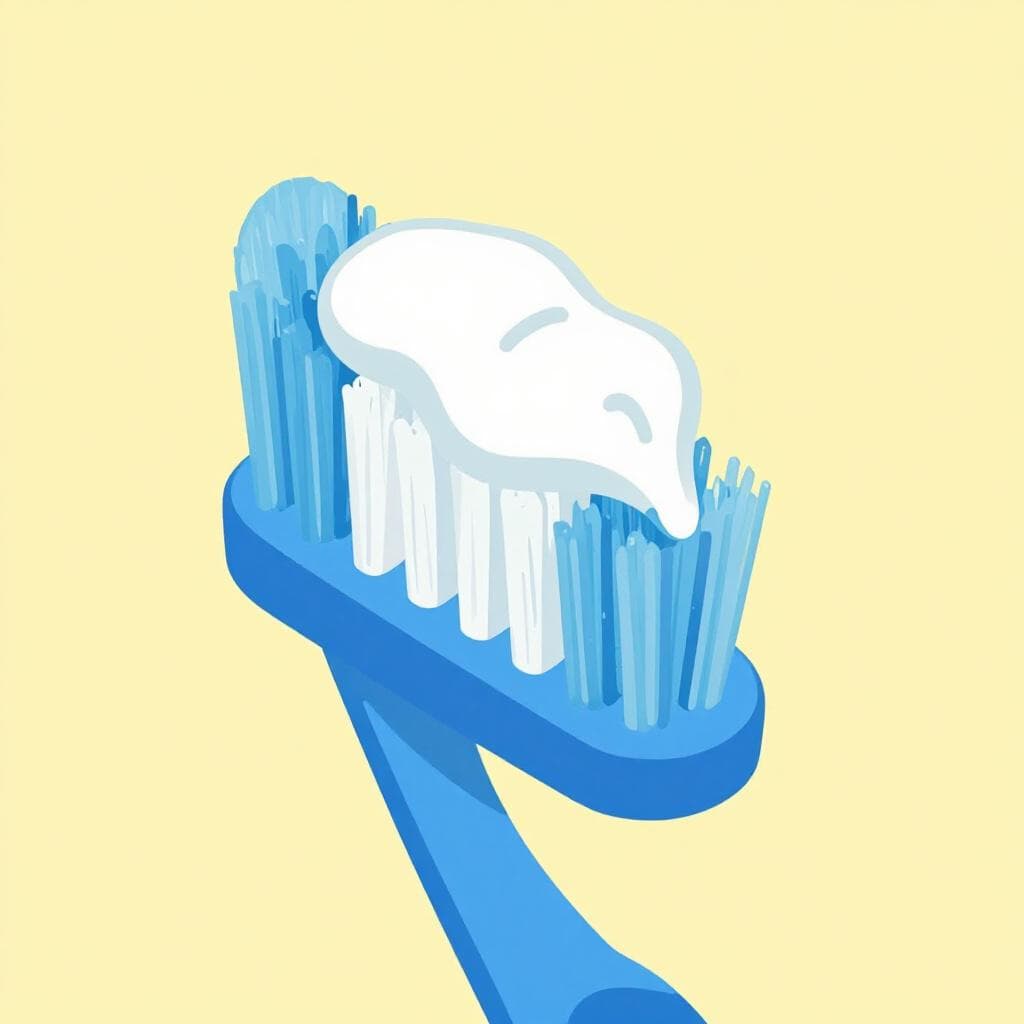
to brush
“Debes cepillar al perro todos los días.”
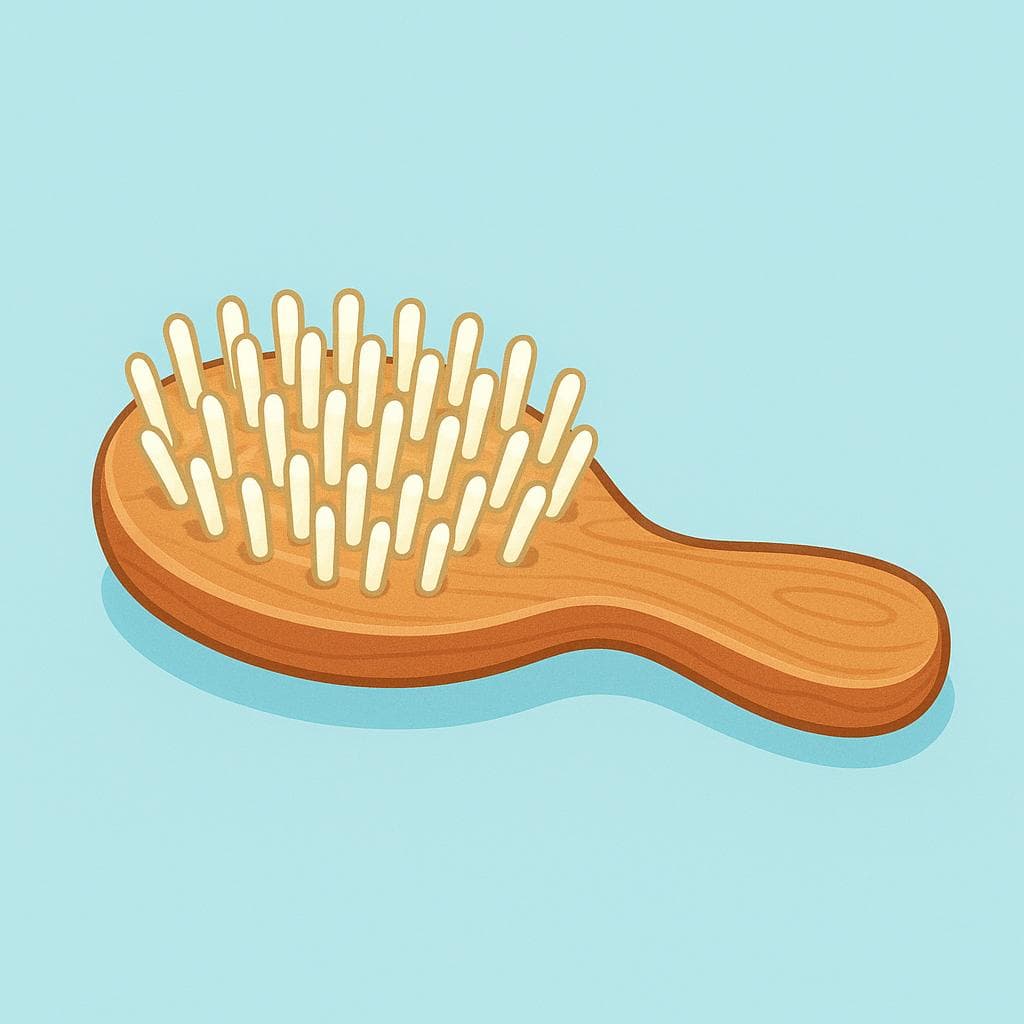
brush
“Perdí mi cepillo de dientes en el viaje.”
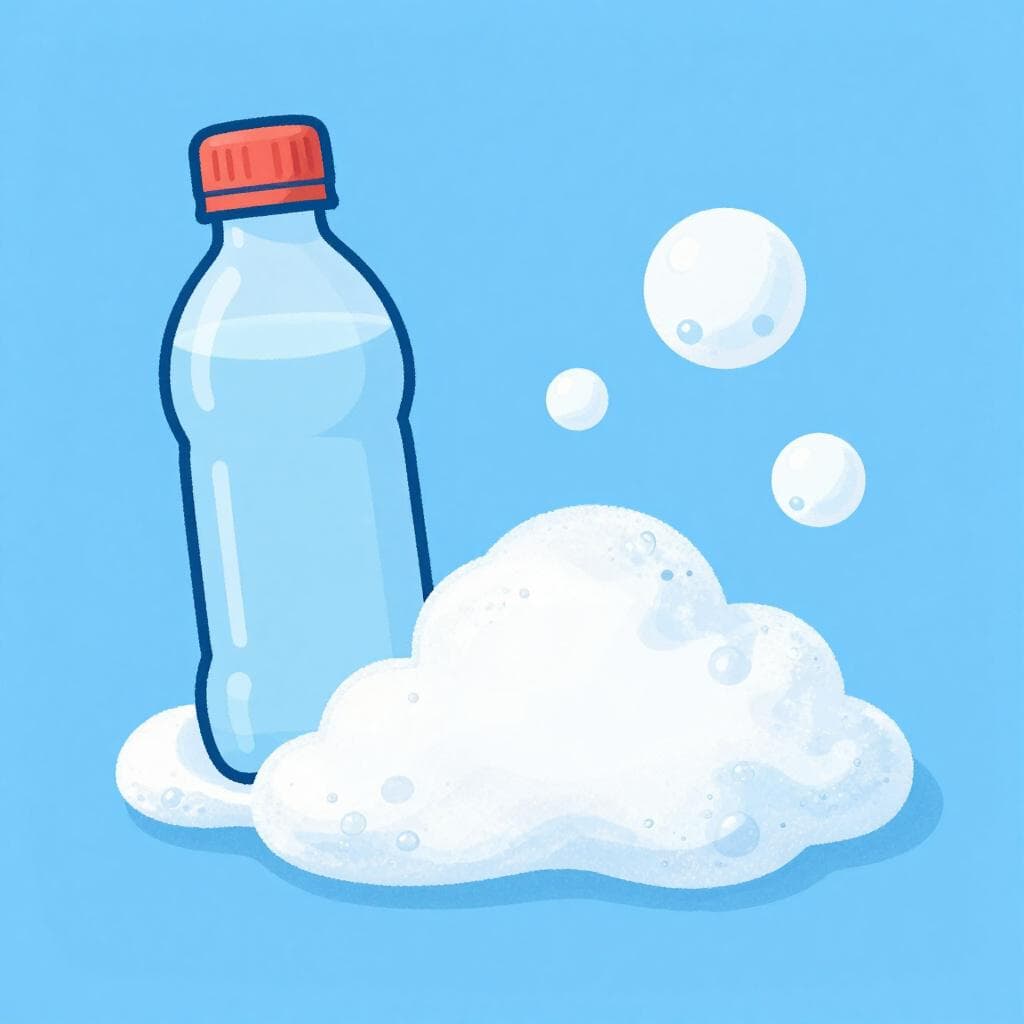
shampoo
“Necesito comprar champú para cabello seco.”

broom
“Necesito una escoba para limpiar el suelo.”

sponge
“Necesito una esponja nueva para lavar los platos.”
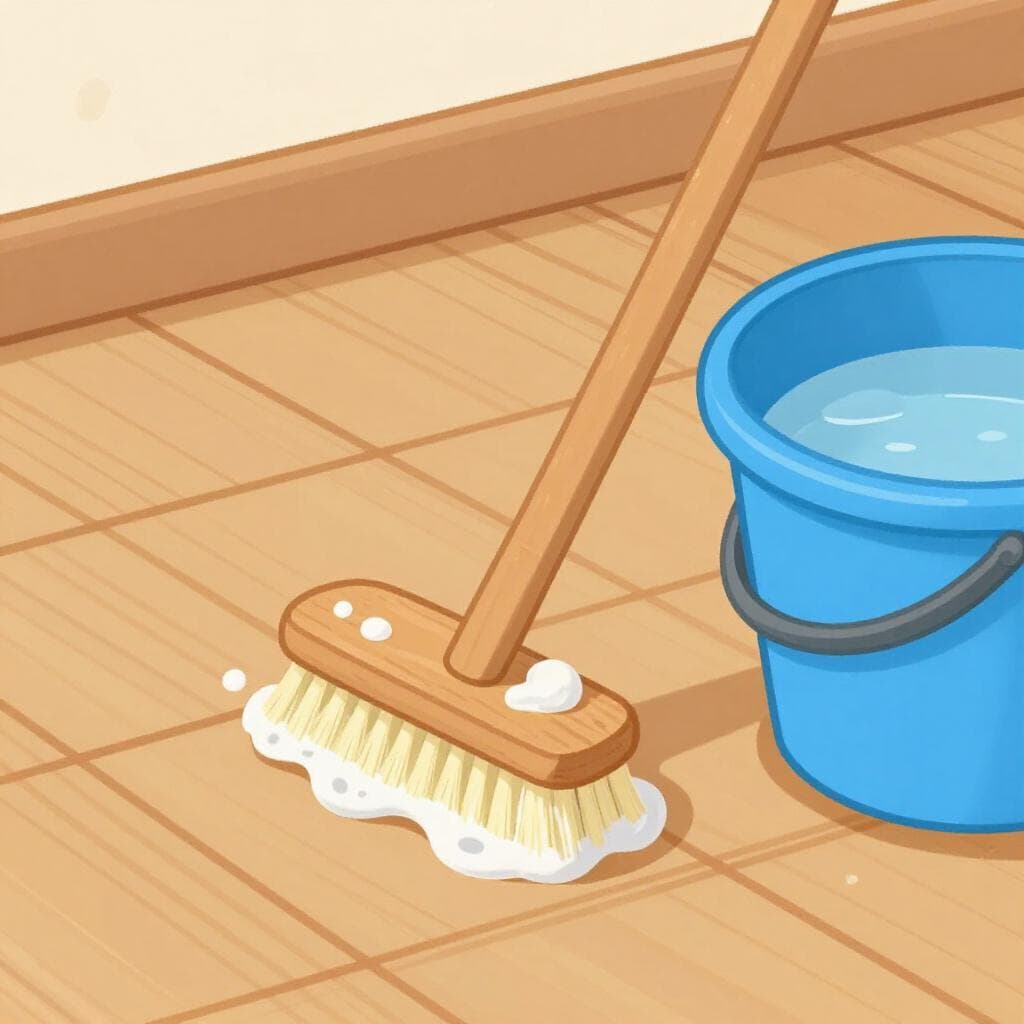
to scrub
“Siempre me toca fregar los platos después de cenar.”

soap
“Por favor, pásame la barra de jabón.”

washing machine
“Puse la ropa sucia en la lavadora.”

laundromat
“Necesito ir a la lavandería porque mi lavadora está rota.”

to wash
“Necesito lavar el coche antes del viaje.”
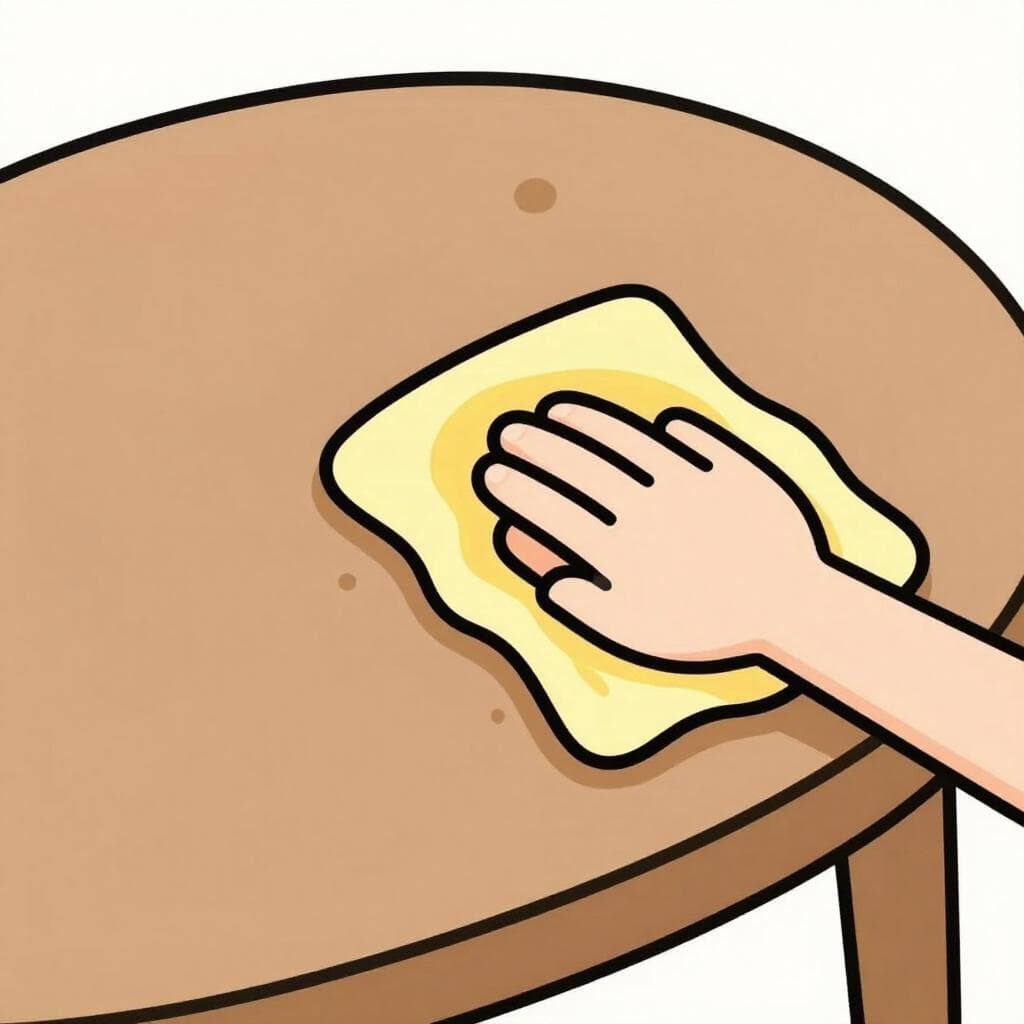
clean
“Necesito limpiar la cocina antes de que lleguen los invitados.”
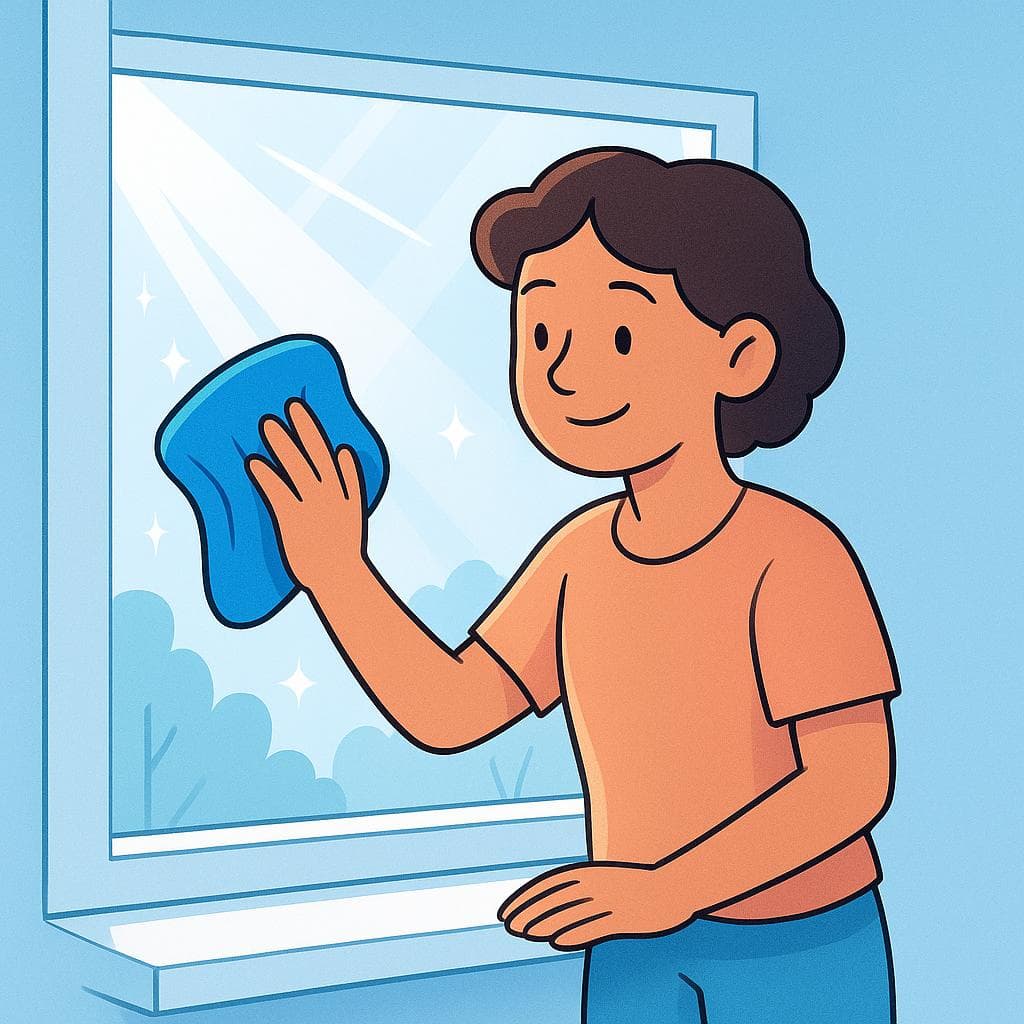
cleaning
“Necesitamos hacer la limpieza profunda de la cocina este fin de semana.”
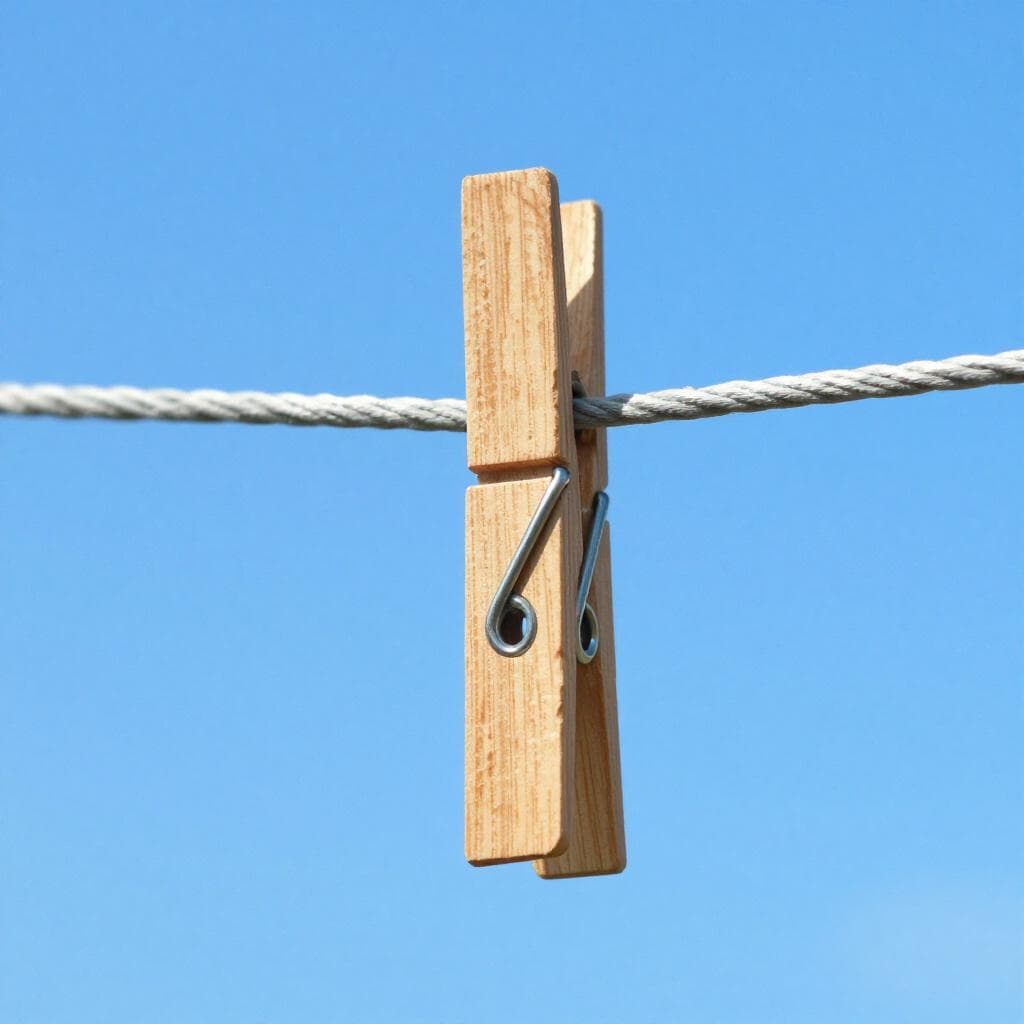
clothespin
“Necesito una pinza para cerrar la bolsa de patatas.”
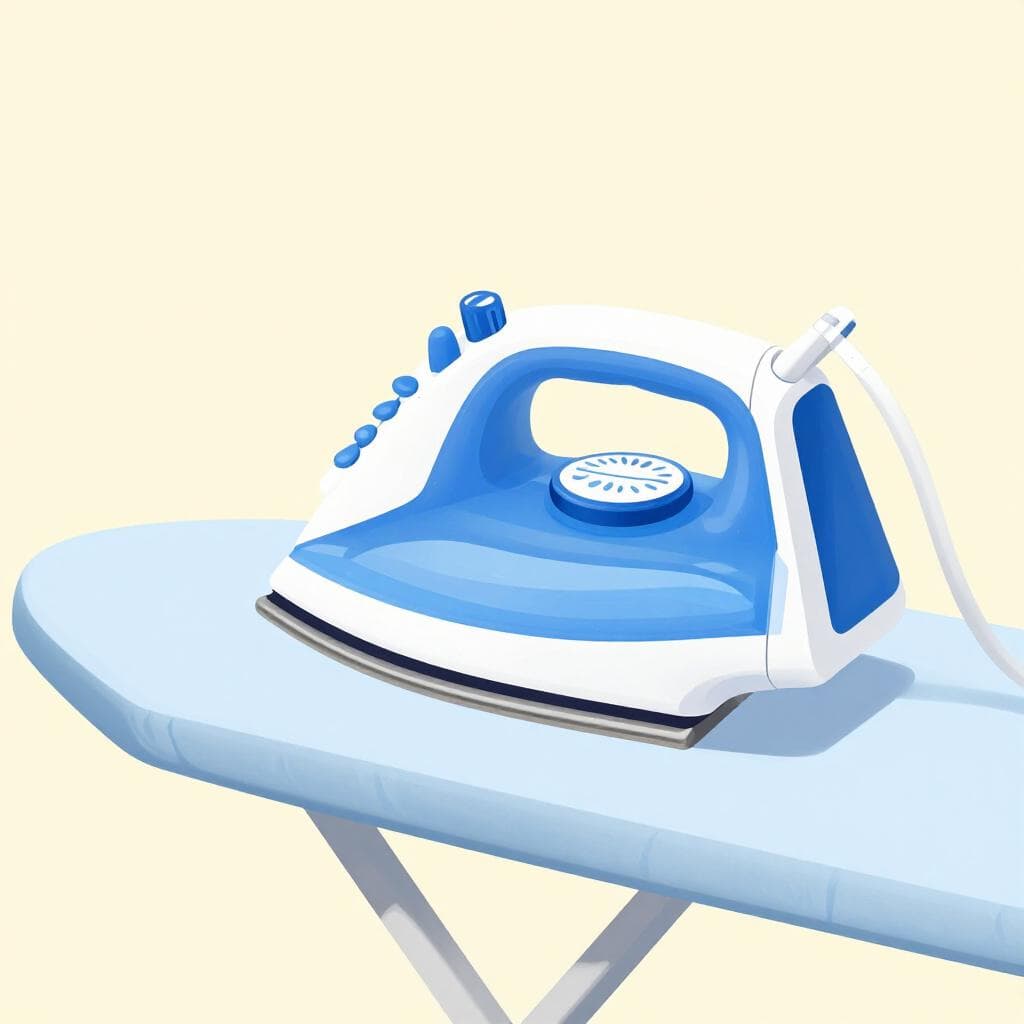
iron
“He comprado una plancha nueva porque la vieja no calienta.”

dirty
“Mis zapatos están muy sucios después de caminar en el parque.”
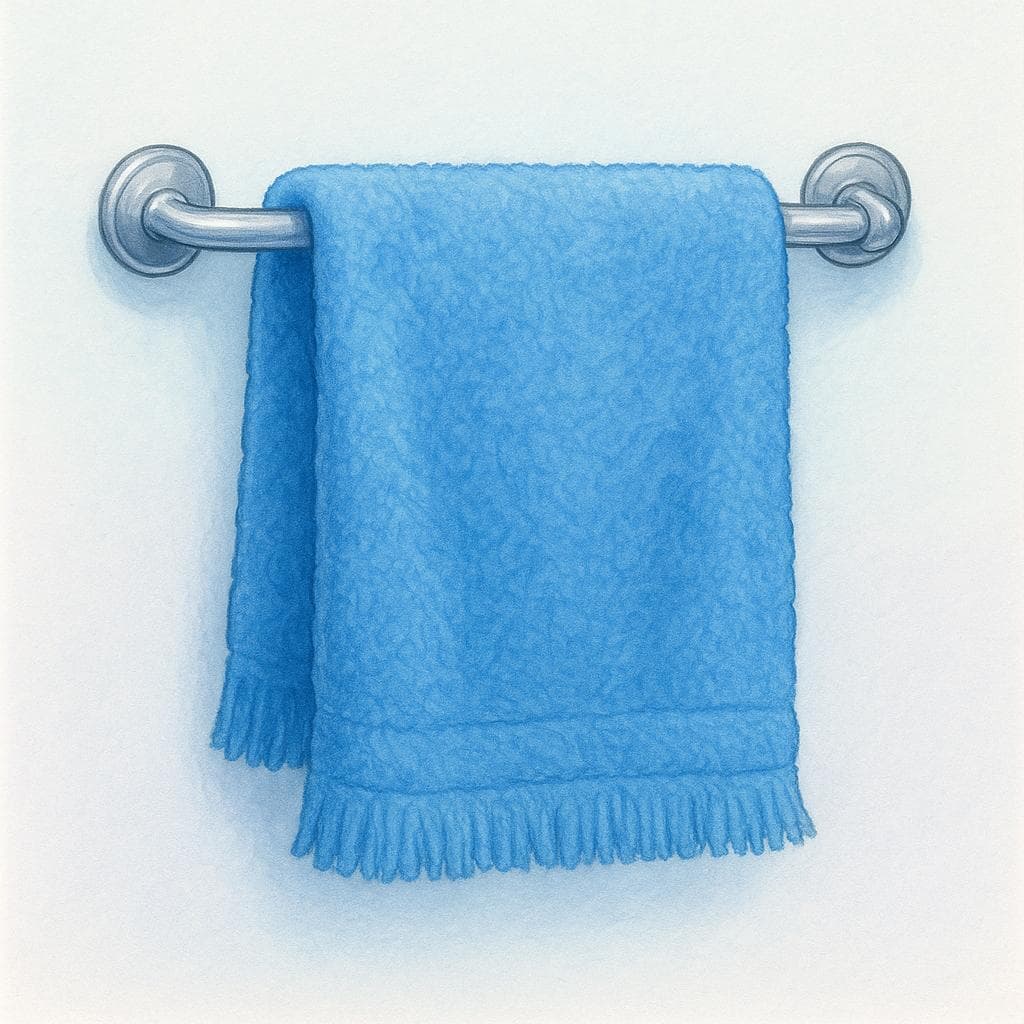
towel
“¿Me pasas la toalla, por favor? La necesito para secarme.”

rag
“Limpia el polvo con un trapo húmedo.”

bucket
“El niño lleva un balde azul para recoger arena en la playa.”
A2 — Elementary (5 words)
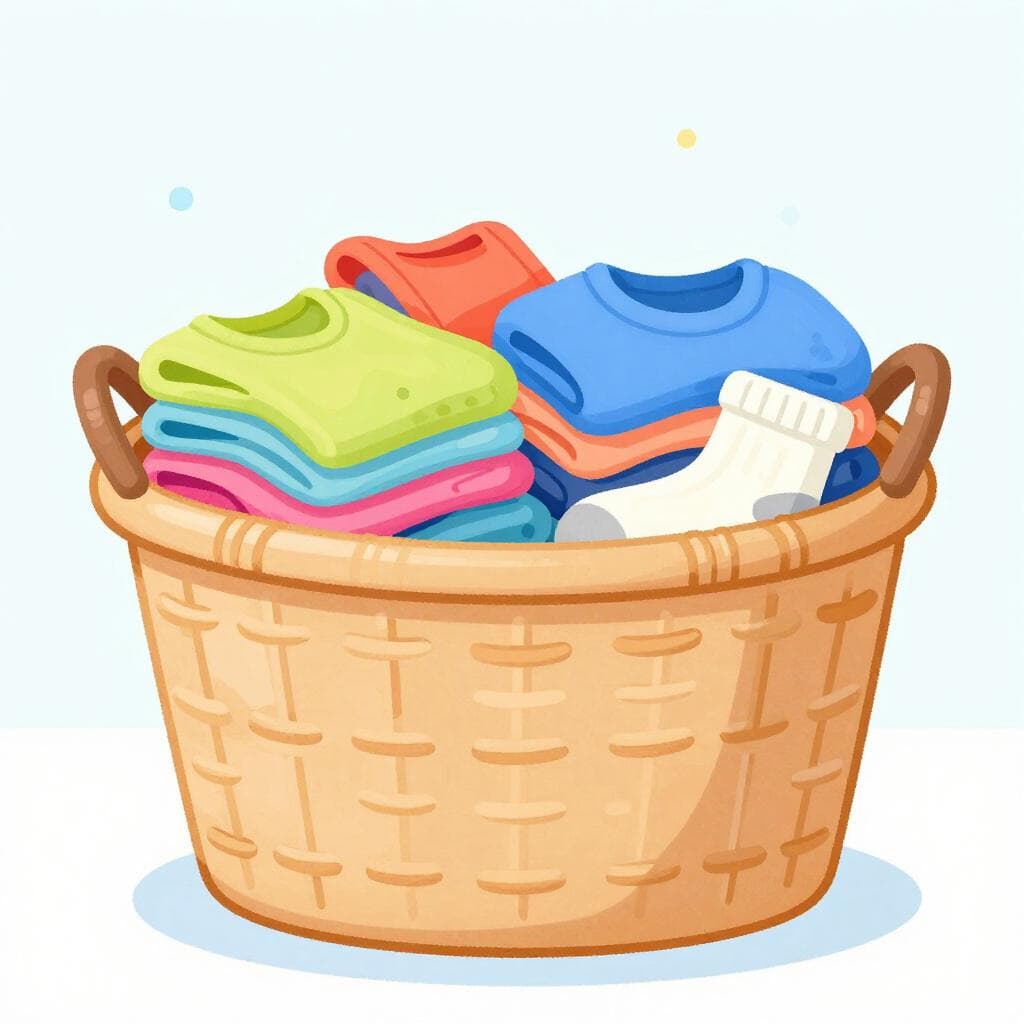
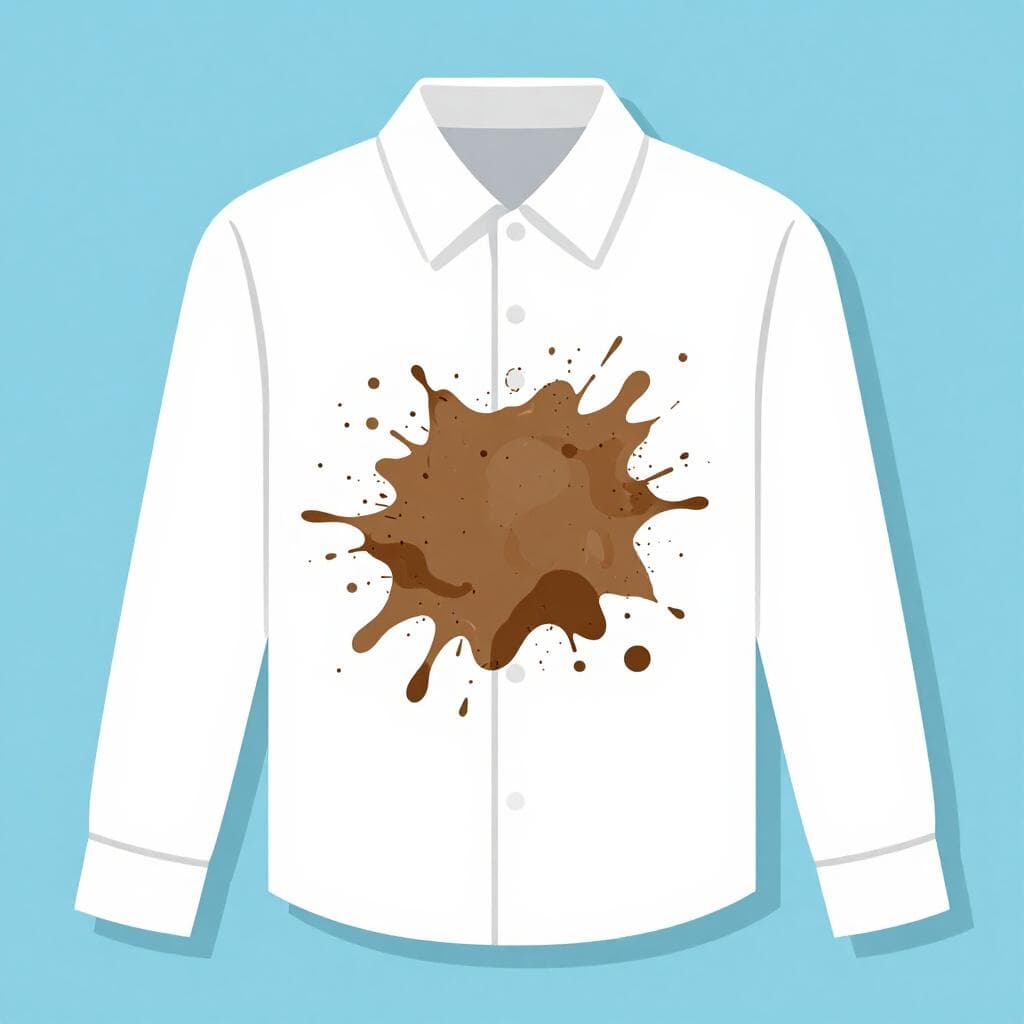
laundry
“Tengo que hacer la colada antes de que anochezca.”
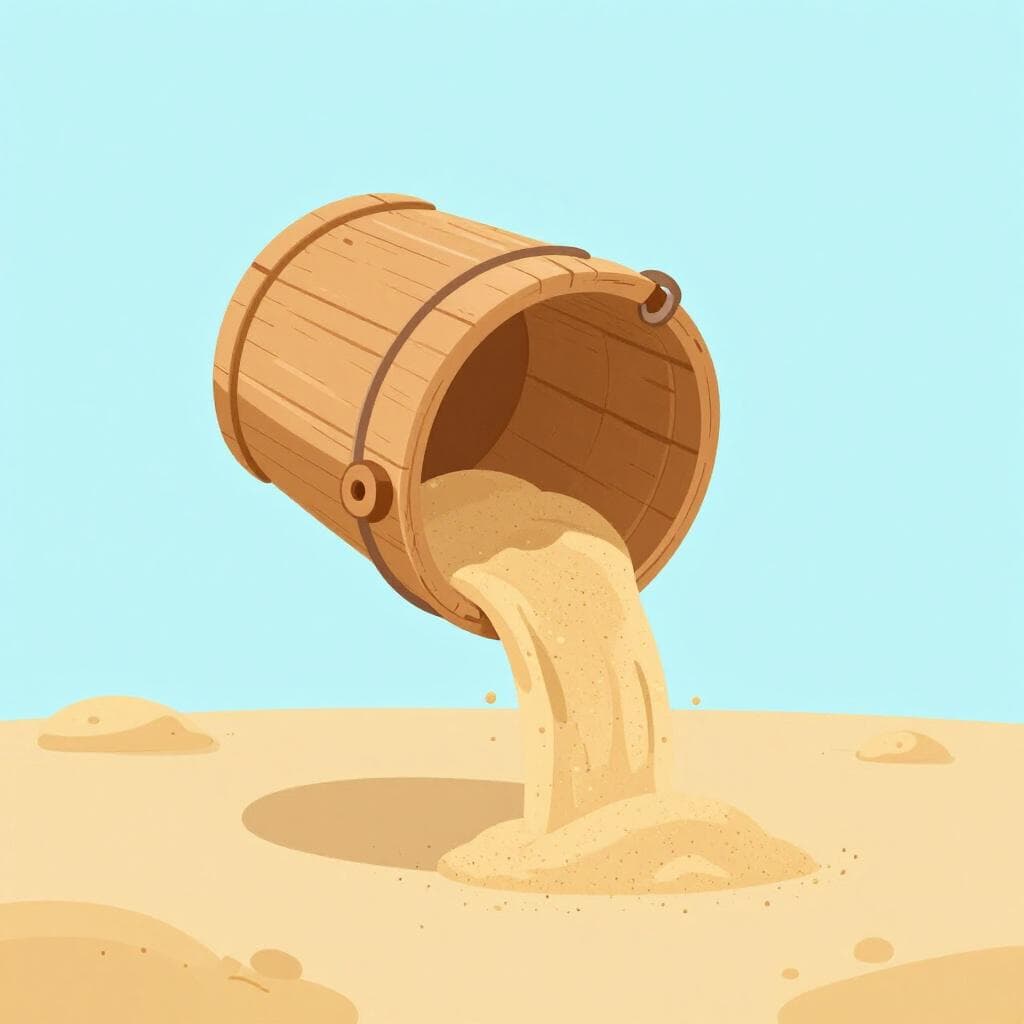
to dirty
“No ensucies el suelo con los zapatos de fútbol.”
to empty
“Necesito vaciar la mochila antes de viajar.”
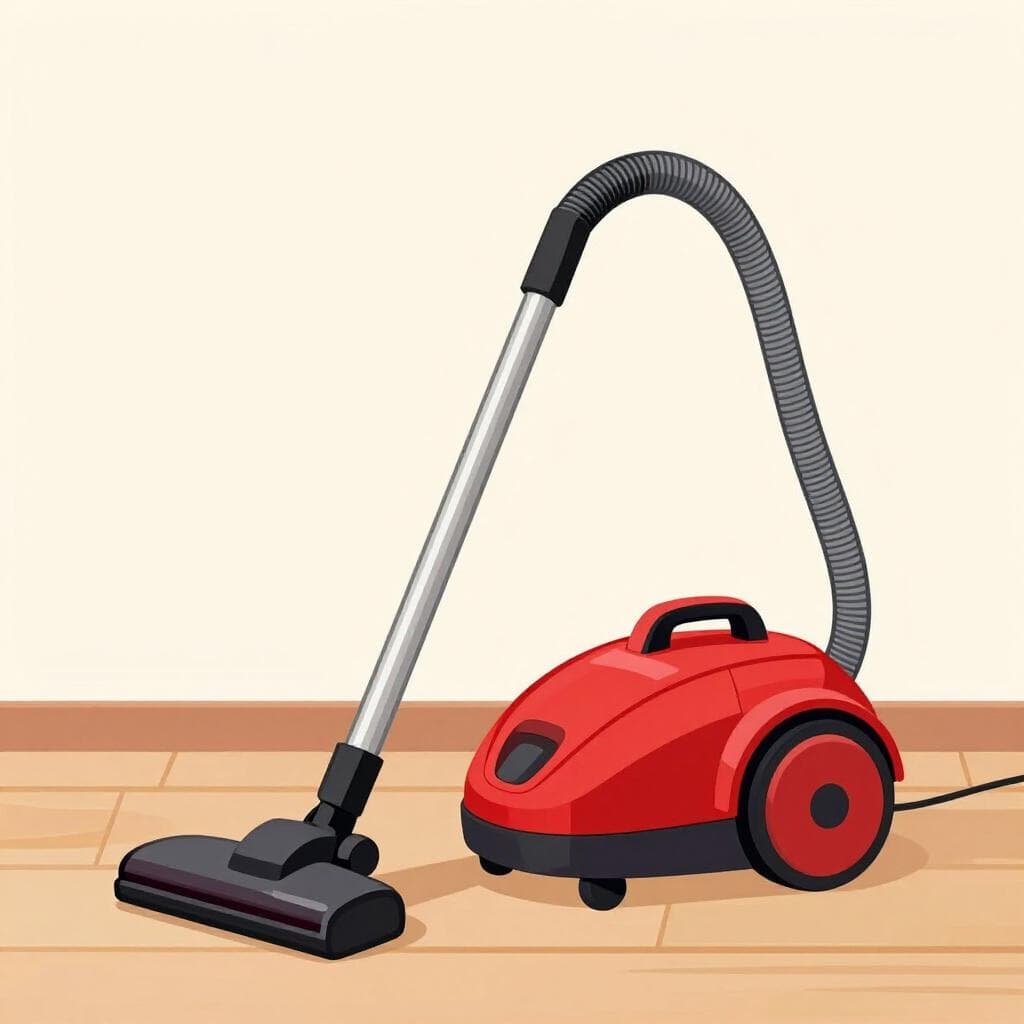
vacuum cleaner
“Tengo que pasar la aspiradora porque la alfombra está sucia.”
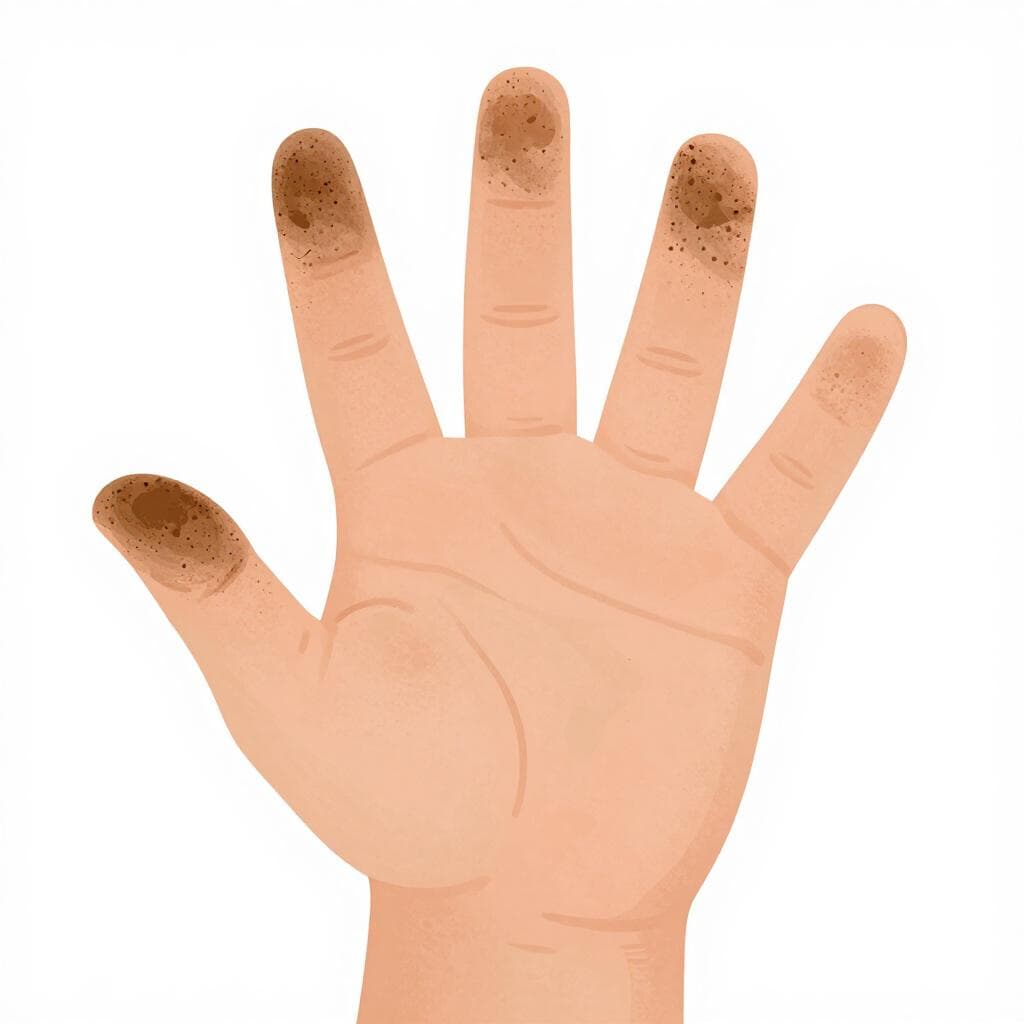
dirt
“No me gusta la suciedad en la cocina.”
B1 — Intermediate (2 words)

waste
“Es importante separar cada residuo en el contenedor correcto.”
chore
“Tengo muchos quehaceres domésticos hoy.”
Grammar Tips
Verb Conjugations for Chores
Many household chores use regular -ar, -er, or -ir verbs, like 'barrer' (to sweep) or 'limpiar' (to clean). Remember to conjugate these verbs according to who is performing the action. For example, 'Yo barro el suelo' (I sweep the floor) and 'Ella limpia la cocina' (She cleans the kitchen).
Gender Agreement with Tools
Nouns for cleaning tools often have a specific gender, which affects any adjectives used with them. For example, 'la escoba' (the broom) is feminine, so you'd say 'la escoba vieja' (the old broom). 'El balde' (the bucket) is masculine, so it's 'el balde nuevo' (the new bucket).
Common Mistakes
Incorrect Verb Usage
Mistake: “Yo lavo la ropa en la lavadora.”
Correction: Yo lavo la ropa en la lavadora. (This is correct, but often learners confuse 'lavar' (to wash clothes) with 'fregar' (to scrub dishes). A more specific mistake would be: 'Yo friego la ropa en la lavadora.' The correction is simply to use 'lavar' for clothes.)
Adjective Placement
Mistake: “La basura grande está en el suelo.”
Correction: La basura grande está en el suelo. (This is actually correct, but a common mistake is placing size adjectives before the noun. A better example of a mistake would be: 'La grande basura está en el suelo.' The correction is 'La basura grande está en el suelo.' In Spanish, descriptive adjectives usually follow the noun.)
Tool vs. Action
Mistake: “Necesito un cepillar para los platos.”
Correction: Necesito un cepillo para los platos. ('Cepillar' is the verb 'to brush', while 'cepillo' is the noun 'brush'. You need the tool, not the action itself.)
Cultural Notes
The 'Siesta' and Chores
In some Spanish-speaking cultures, especially in warmer regions, there's a tradition of resting during the hottest part of the day, which might influence when certain chores are done. While not a strict rule everywhere, it's a cultural nuance that can affect daily routines.