quitarte
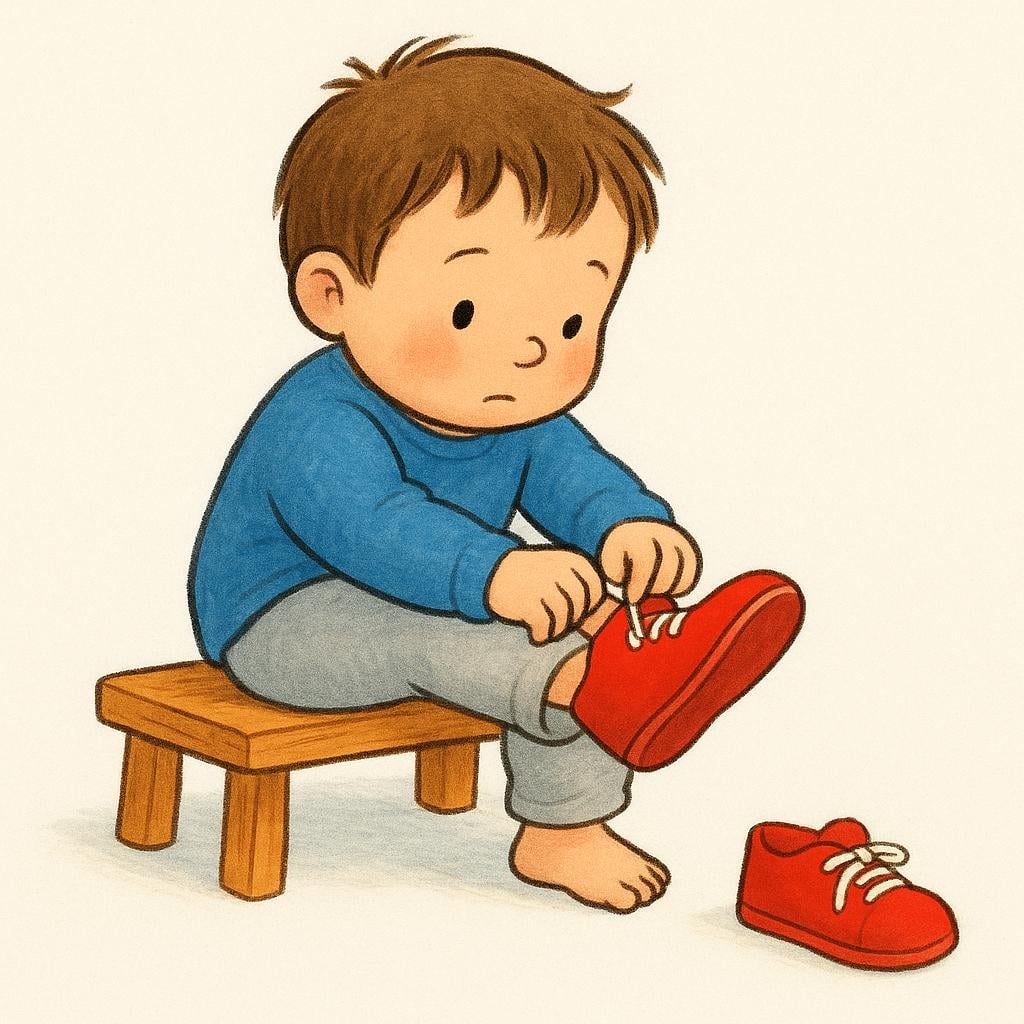
“quitarte” の意味は “to take off (clothing)” スペイン語で. 文脈に応じて2つの異なる意味があります:

to take off (clothing)他にも: to remove yourself
📝 使用例
Necesitas quitarte el casco antes de subir al coche.
A1You need to take off your helmet before getting into the car.
¿Vas a quitarte los guantes? Hace calor aquí.
A1Are you going to take your gloves off? It's hot in here.
関連語
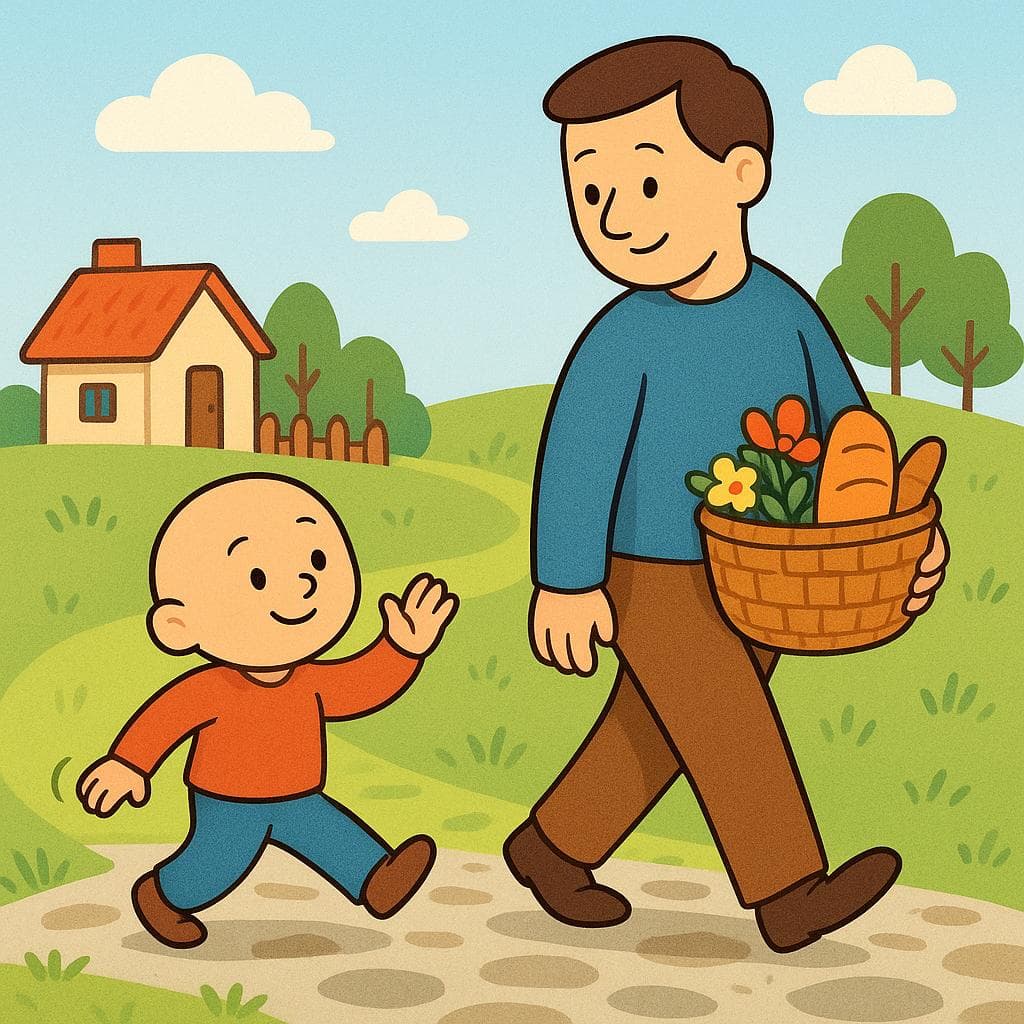
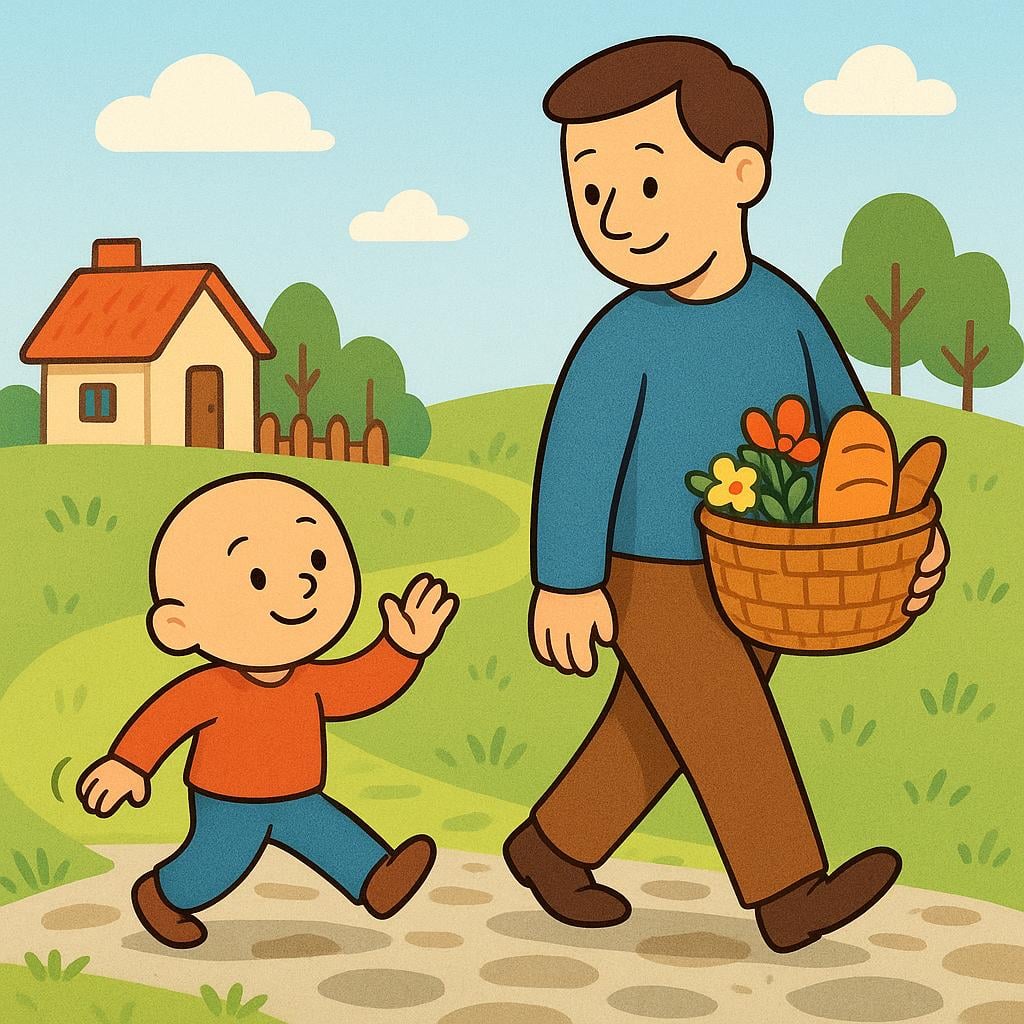
to move out of the way他にも: to get rid of (a habit)
📝 使用例
Tienes que quitarte para que pueda pasar el coche.
A2You have to move out of the way so the car can pass.
Deberías quitarte esa mala costumbre de fumar.
B1You should get rid of that bad habit of smoking.
関連語
Indicative
Present
Preterite
Imperfect
Subjunctive
Present Subjunctive
Imperfect Subjunctive
✏️ クイック練習
クイッククイズ: quitarte
1問中1問目
Which sentence correctly uses 'quitarte' to mean 'to move out of the way'?
📚 その他のリソース
👥 語族
🎵 韻
📚 語源
The verb 'quitar' comes from the Latin *quietare*, meaning 'to calm' or 'to put to rest.' Over time, its meaning shifted from 'to lay something down' to 'to take something away' or 'to remove it.' The 'te' is the simple addition of the informal pronoun 'you.'
初出:13th century (as 'quitar')
同源語(関連語)
💡 スペイン語をマスター
スペイン語をレベルアップしましょう。Inklingoアプリで、あなたのレベルに合った200以上のイラスト付きスペイン語ストーリーを読もう!
よくある質問
Is 'quitarte' the same as 'te vas a quitar'?
Yes, they mean the same thing! 'Quitarte' (infinitive + pronoun) is used when following a conjugated verb (like 'vas a' or 'tienes que'). 'Te vas a quitar' separates the pronoun and places it before the conjugated verb. Both are perfectly correct.
What is the difference between 'quitar' and 'quitarse'?
'Quitar' means to remove something from someone else ('Quito la mesa' - I clear the table). 'Quitarse' means to remove something from yourself, making it reflexive ('Me quito la chaqueta' - I take off my jacket).