
Dni i miesiące po hiszpańsku
Nauka dni tygodnia i miesięcy w roku po hiszpańsku jest niezwykle praktyczna w codziennych rozmowach. Będziesz stale używać tych słów podczas planowania, mówienia o wydarzeniach lub po prostu omawiania, jaki jest dzień. Co ciekawe, w języku hiszpańskim dni i miesiące nie są pisane wielką literą, jak w języku angielskim, co jest częstym błędem uczących się!
Szybka ściąga
| Hiszpański | Polski | Przykład | Poziom |
|---|---|---|---|
abril | kwiecień | Mi cumpleaños es en abril. | A1 |
agosto | sierpień | Mis vacaciones de verano son siempre en agosto. | A1 |
diciembre | grudzień | Mi cumpleaños es en diciembre. | A1 |
domingo | niedziela | El domingo vamos a visitar a la abuela. | A1 |
enero | styczeń | Mi cumpleaños es en enero. | A1 |
jueves | czwartek | Mi clase de español es el jueves. | A1 |
julio | Lipiec | Mi familia viaja a la playa en julio. | A1 |
junio | czerwiec | Mi cumpleaños es el diez de junio. | A1 |
lunes | poniedziałek | El lunes empiezo mi nuevo trabajo. | A1 |
martes | wtorek | La reunión es el martes a las diez de la mañana. | A1 |
marzo | marzec | Mi hermana mayor nació en marzo. | A1 |
may. | Maj | Mi cumpleaños es el 15 de may. | A1 |
A1 — Początkujący (21 słów)
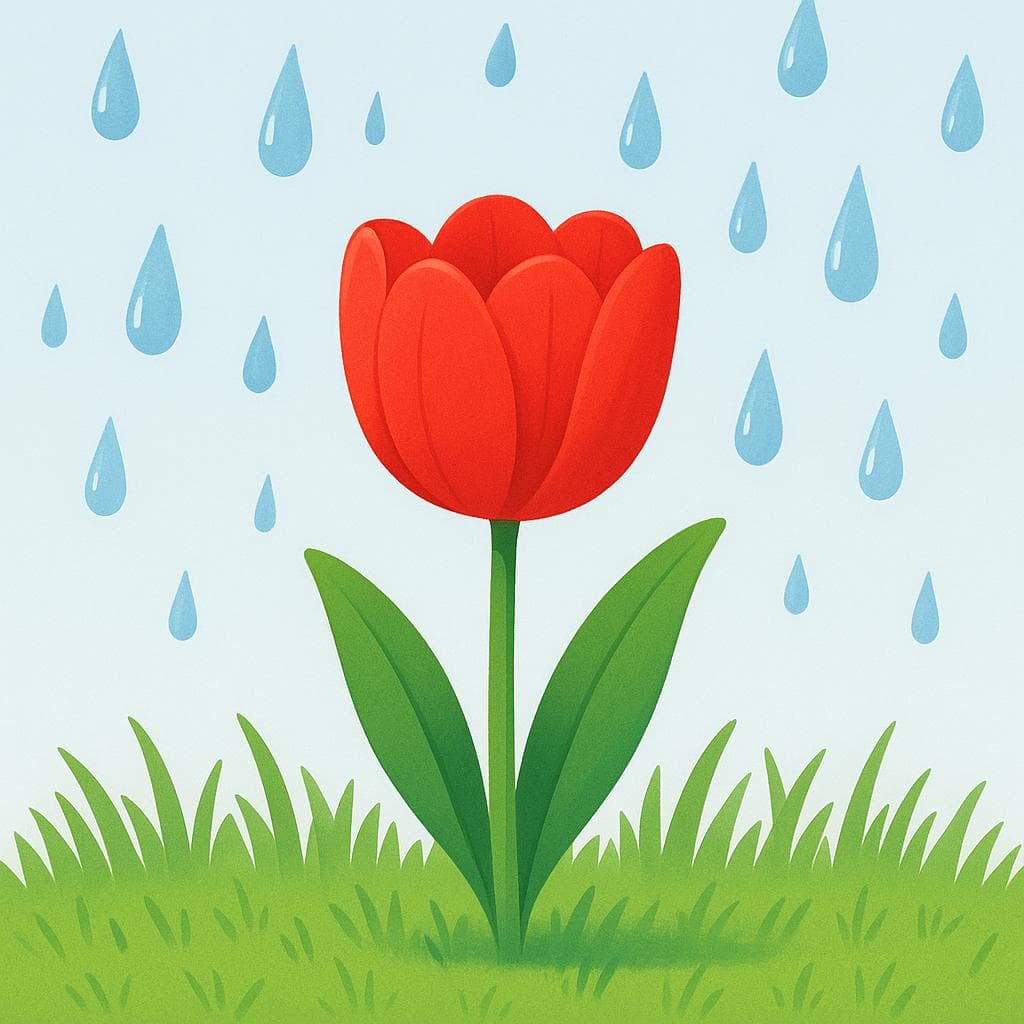
kwiecień
“Mi cumpleaños es en abril.”

sierpień
“Mis vacaciones de verano son siempre en agosto.”

grudzień
“Mi cumpleaños es en diciembre.”

niedziela
“El domingo vamos a visitar a la abuela.”

styczeń
“Mi cumpleaños es en enero.”

czwartek
“Mi clase de español es el jueves.”

Lipiec
“Mi familia viaja a la playa en julio.”

czerwiec
“Mi cumpleaños es el diez de junio.”

poniedziałek
“El lunes empiezo mi nuevo trabajo.”

wtorek
“La reunión es el martes a las diez de la mañana.”
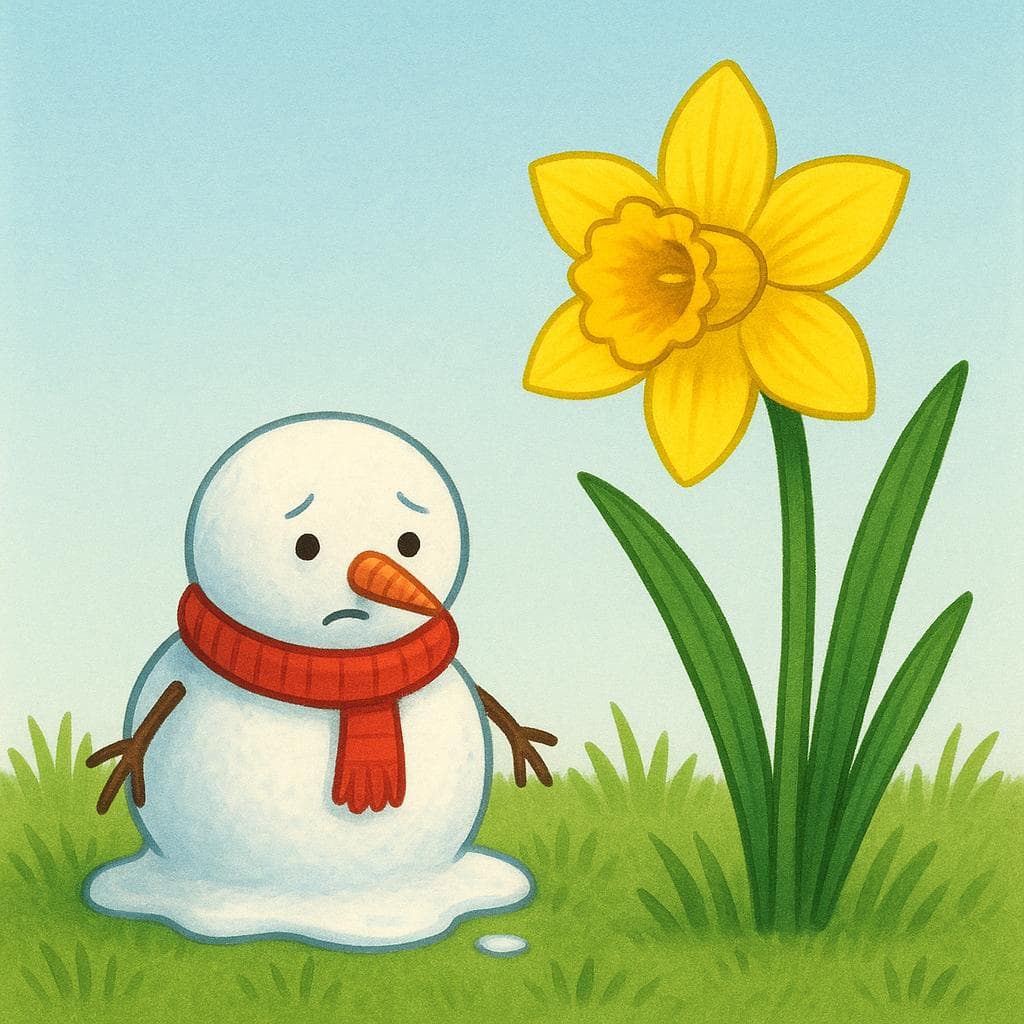
marzec
“Mi hermana mayor nació en marzo.”

Maj
“Mi cumpleaños es el 15 de may.”
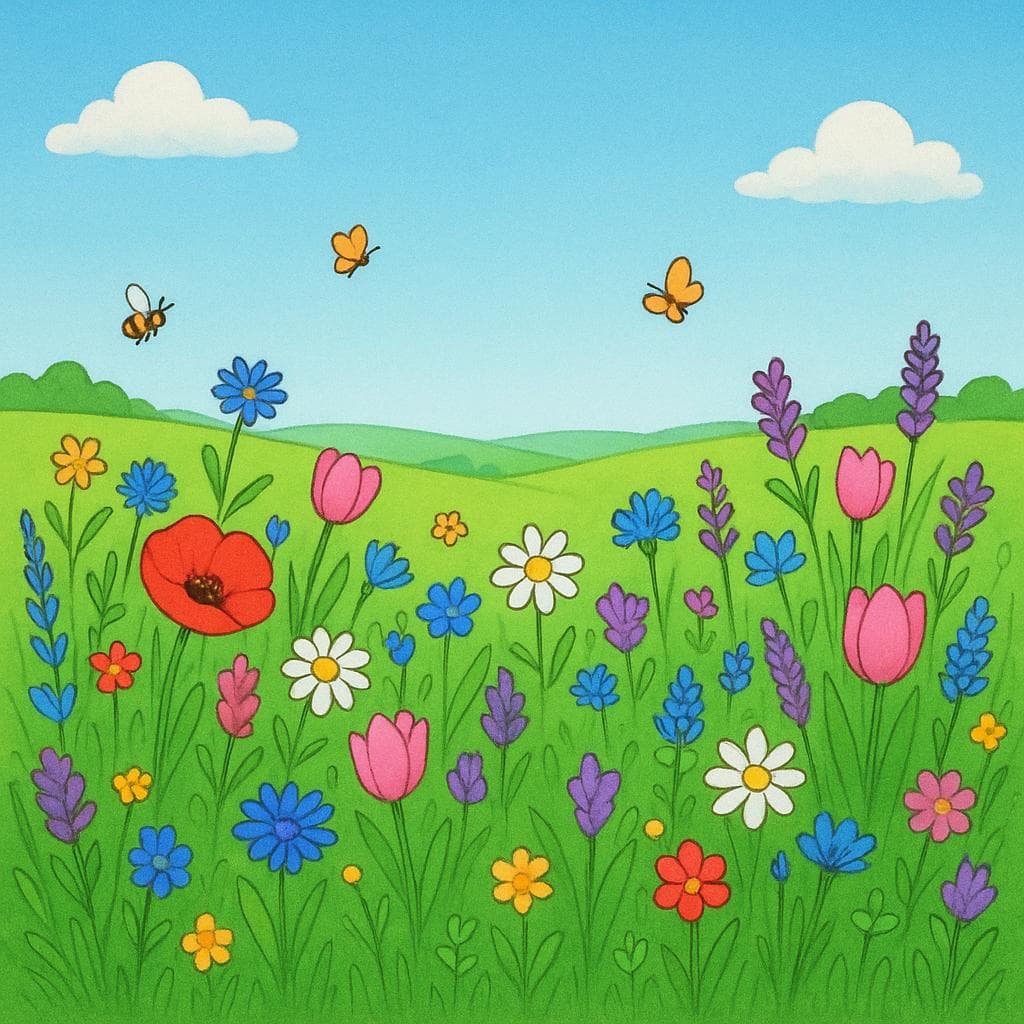
maj
“Viajamos a la playa en mayo, cuando hace buen tiempo.”
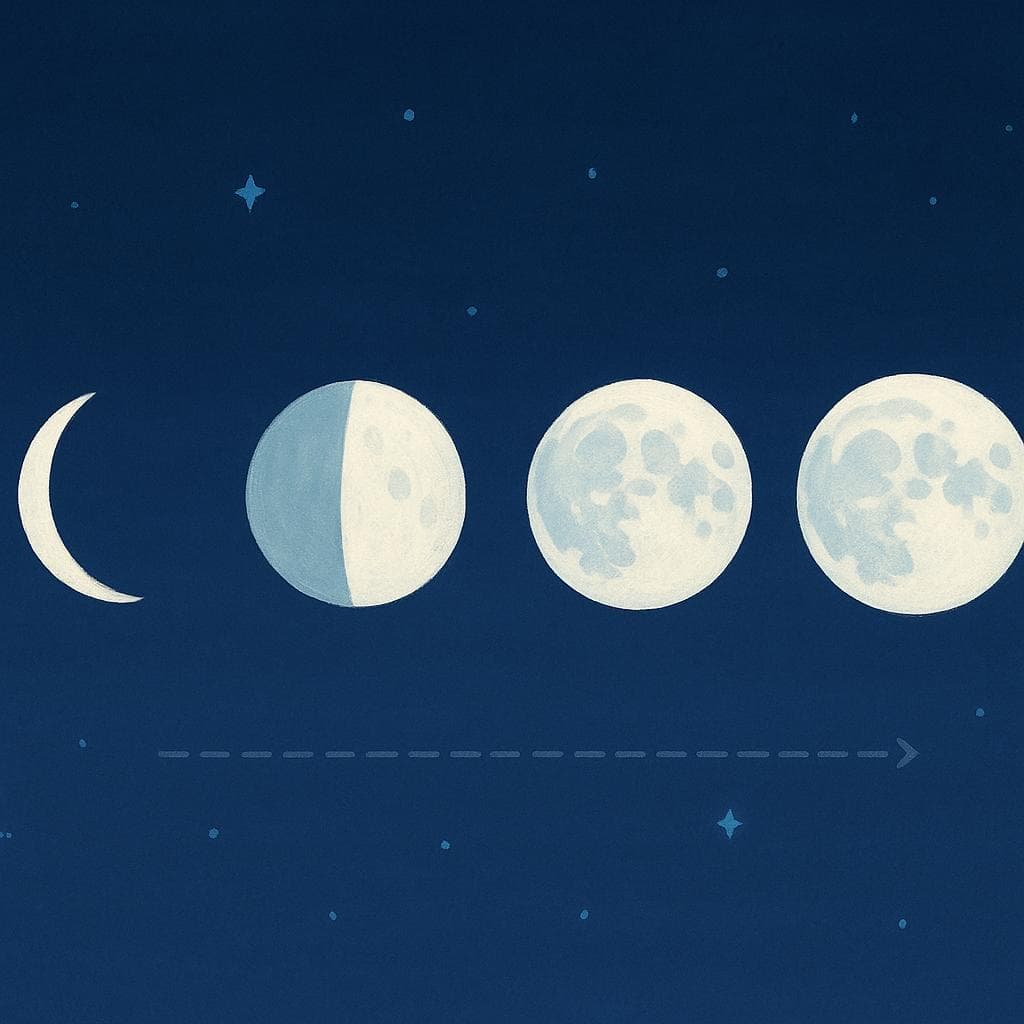
miesiąc
“Enero es el primer mes del año.”
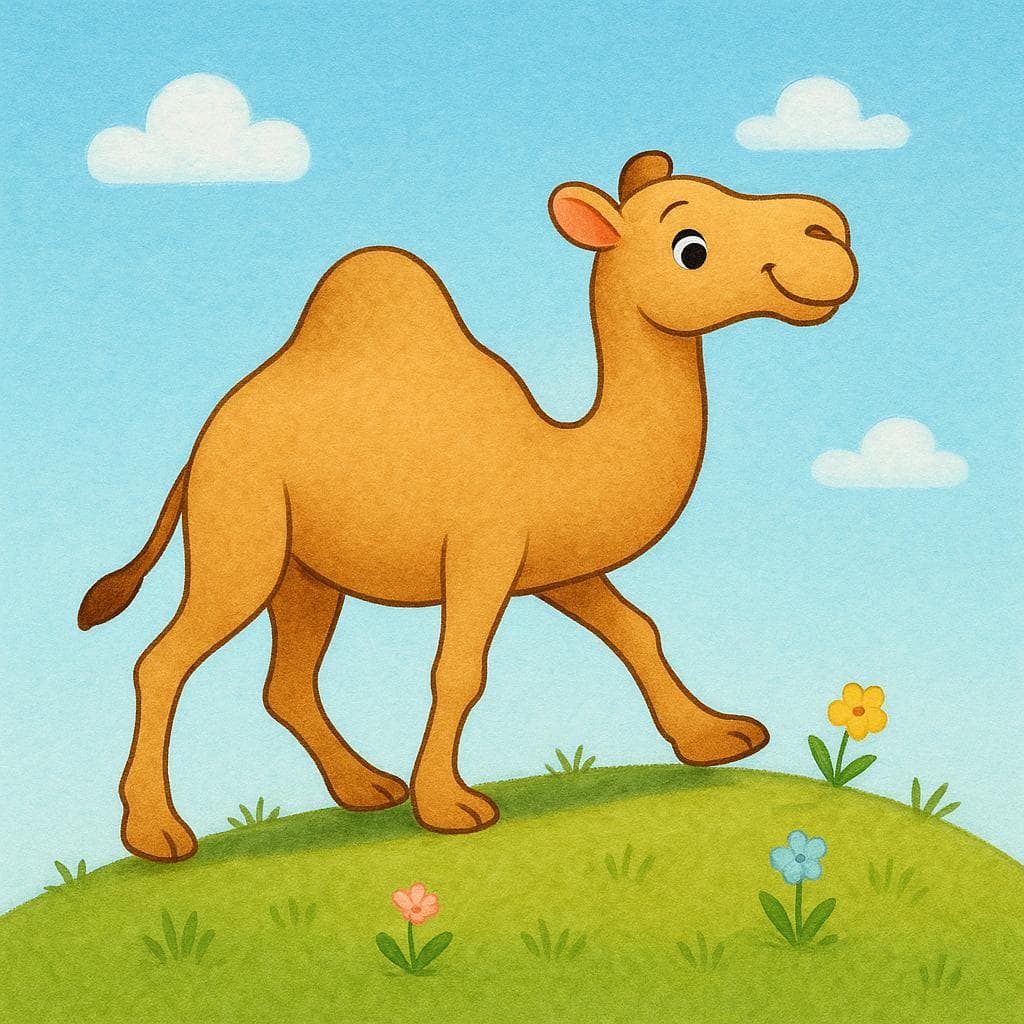
środa
“Tenemos una reunión importante el miércoles por la mañana.”
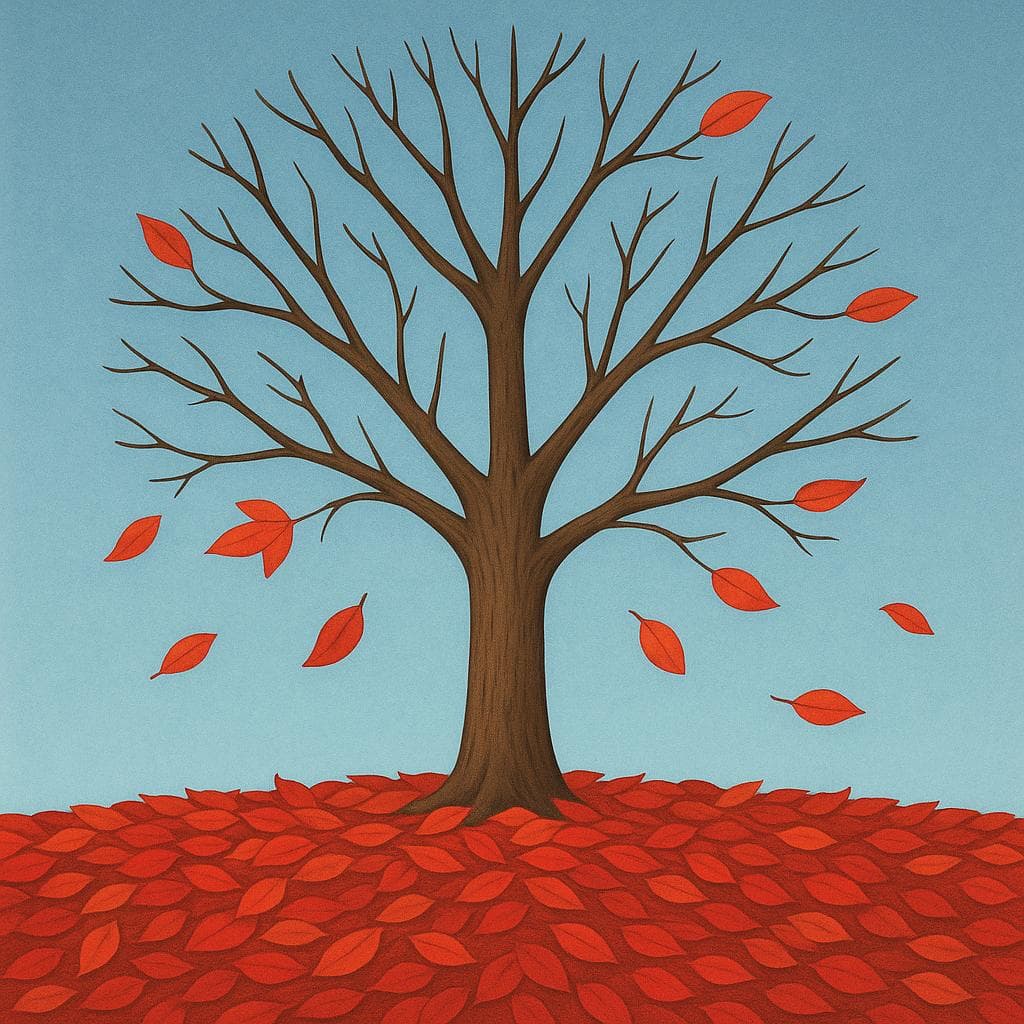
listopad
“Mi cumpleaños es el siete de noviembre.”
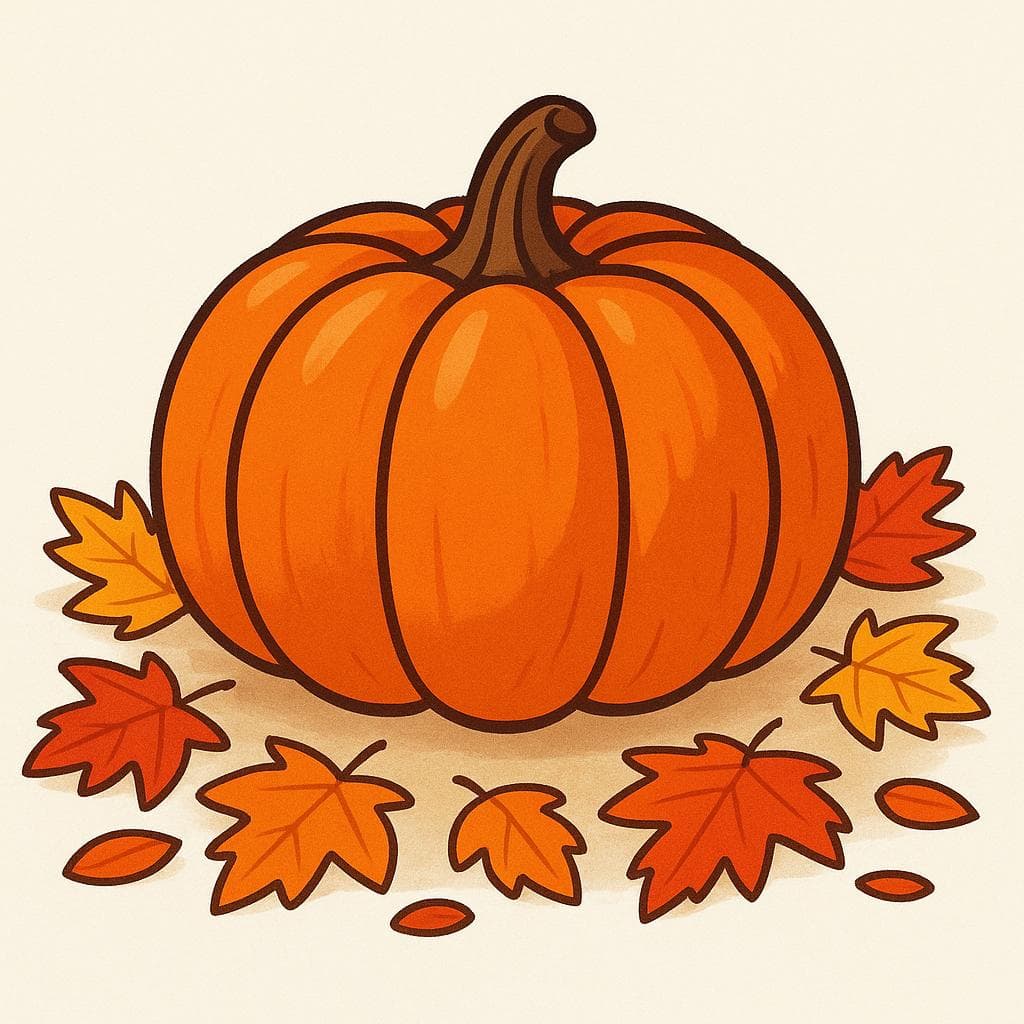
październik
“Mi cumpleaños es en octubre.”

sobota
“El sábado vamos al parque si hace buen tiempo.”
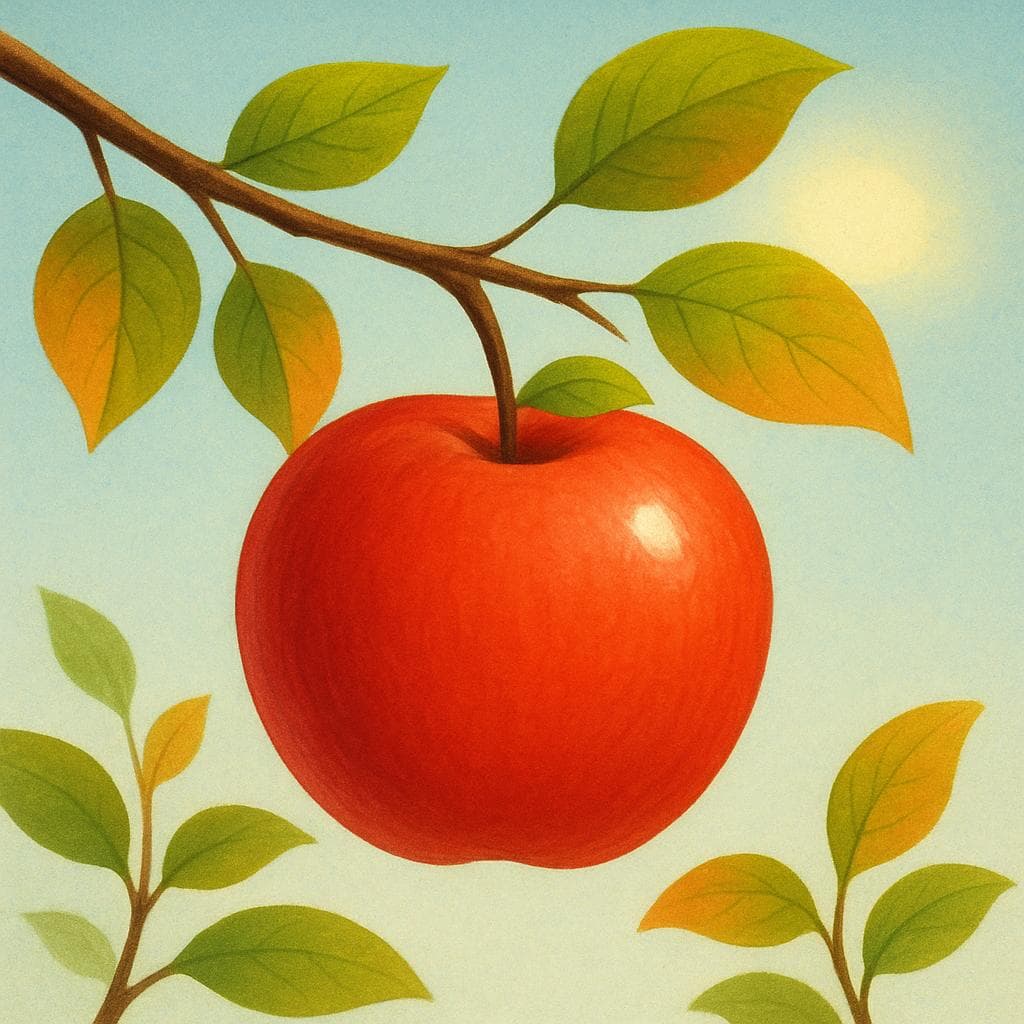
wrzesień
“Mi cumpleaños es en septiembre.”
piątek
“Hoy es viernes, ¡por fin!”
czerwiec
“La reunión es el 12 de jun.”
Wskazówki gramatyczne
Dni i miesiące: mała litera i liczba pojedyncza
W języku hiszpańskim dni tygodnia i miesiące nie są pisane wielką literą, chyba że rozpoczynają zdanie. Są one również zazwyczaj używane w liczbie pojedynczej. Na przykład 'el lunes' oznacza 'poniedziałek', a 'los lunes' oznacza 'poniedziałki'.
Użycie 'el' z dniami tygodnia
Odnosząc się do konkretnego dnia tygodnia, hiszpański często używa rodzajnika określonego 'el'. Na przykład 'El martes tengo una reunión.' (We wtorek mam spotkanie.) Jest to podobne do powiedzenia 'the Tuesday' po angielsku, ale jest to standardowy sposób wyrażenia 'w [dzień]'.
Tworzenie liczby mnogiej dni dla nawyków
Aby mówić o powtarzających się wydarzeniach, użyj liczby mnogiej dnia z rodzajnikiem określonym. Na przykład 'Los domingos comemos paella' oznacza 'W niedziele jemy paellę'. Wskazuje to na regularny nawyk w dany dzień.
Typowe błędy
Błąd wielkiej litery
Błąd: “Me gusta Enero.”
Poprawka: Me gusta enero. — Miesiące i dni tygodnia nie są pisane wielką literą w języku hiszpańskim, chyba że rozpoczynają zdanie.
Nieprawidłowy rodzajnik dla nawyków
Błąd: “Yo trabajo el Lunes.”
Poprawka: Yo trabajo los lunes. — Odnosząc się do czynności wykonywanej nawykowo w określony dzień, użyj liczby mnogiej rodzajnika określonego 'los' (lub 'las' dla dni żeńskich, chociaż wszystkie dni są rodzaju męskiego) przed dniem tygodnia.
Użycie 'en' zamiast 'el'
Błąd: “En Lunes voy al cine.”
Poprawka: El lunes voy al cine. — W przypadku konkretnych dni używaj 'el' (lub 'los' dla czynności nawykowych), a nie 'en', aby wskazać 'w' dany dzień.
Notatki kulturowe
Weekend i dni powszednie
W wielu krajach hiszpańskojęzycznych weekend określa się jako 'el fin de semana'. Chociaż większość krajów stosuje standardowy kalendarz gregoriański dla miesięcy, niektóre tradycje regionalne lub festiwale mogą być związane z określonymi porami roku, ale same nazwy miesięcy są spójne.