
Apagar vs Extinguir
Apagar = turn off (daily things). Extinguir = put out for good (big fires, a species).
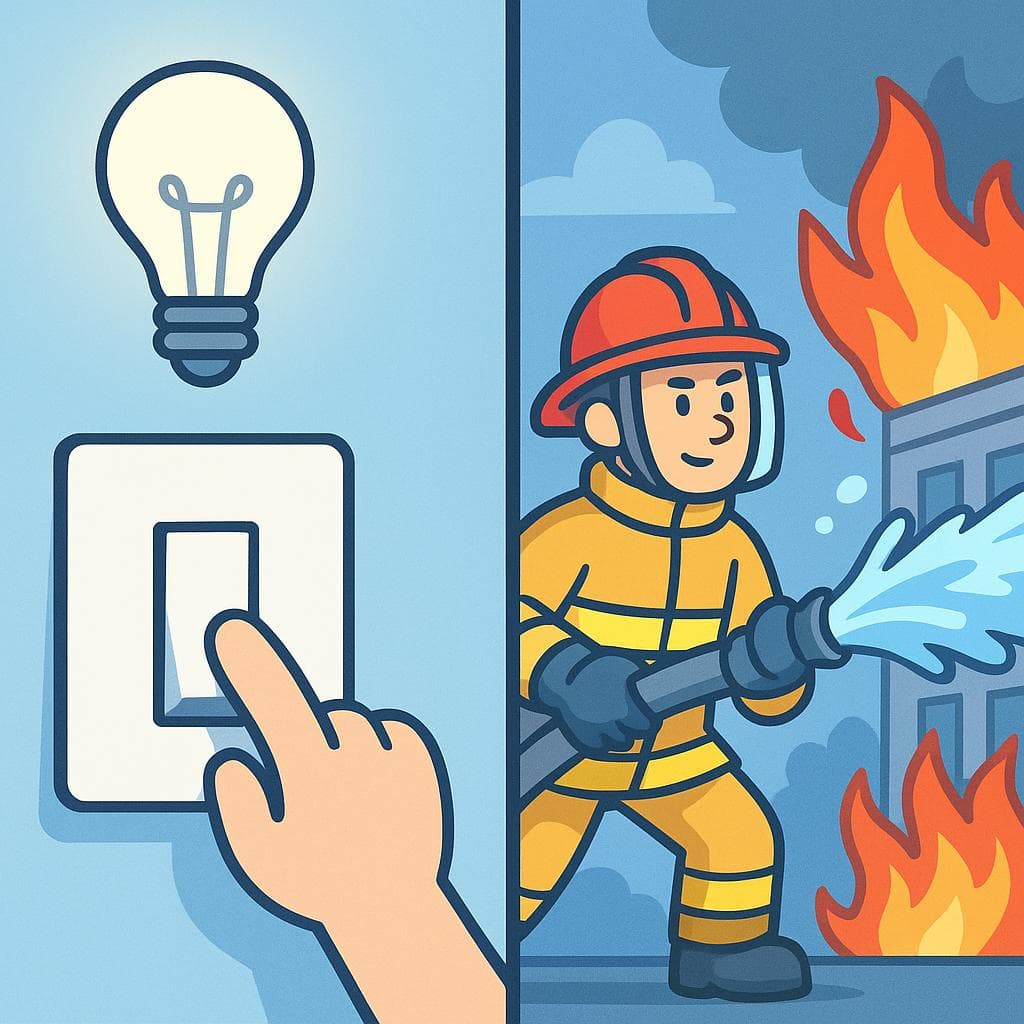
apagar
To turn off, switch off, put out (for everyday items, machines, and small fires).
ah-pah-GARextinguir
To extinguish, put out completely, wipe out (for large fires, rights, species, debts).
ex-teen-GEERQuick Rule
Apagar = turn off (daily things). Extinguir = put out for good (big fires, a species).
Think: Apagar is for Appliances. Extinguir is for Extinction.
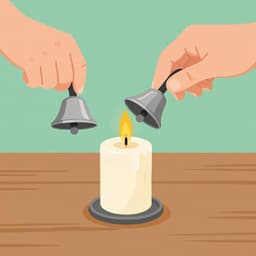
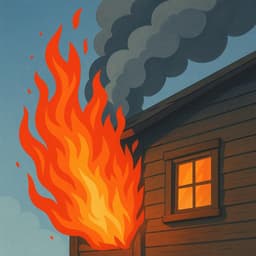
- You can 'apagar' a small fire (like a candle or campfire), but 'extinguir' is the correct term for large, dangerous fires.
Comparison Table
| Context | apagar | extinguir | Why? |
|---|---|---|---|
| Fire | Apaga la fogata con agua. | Extinguieron el incendio forestal. | Apagar for small, controlled fires (campfire). Extinguir for large, destructive ones (forest fire). |
| Lights | Voy a apagar la lámpara. | La luz de sus ojos se extinguió. | Apagar is a manual action (turning off a lamp). Extinguir is more poetic/final (a light dying out forever). |
| General Use | Es una acción cotidiana y reversible. | Es una acción definitiva e irreversible. | You turn things off ('apagar') and can turn them on again. When something is extinguished ('extinguir'), it's gone for good. |
| Figurative Meaning | La mala noticia apagó la fiesta. | Ese linaje real se extinguió. | Apagar means to dampen or lessen (the party's mood). Extinguir means to end completely (a royal bloodline). |
When to Use "apagar / extinguir"
apagar
To turn off, switch off, put out (for everyday items, machines, and small fires).
ah-pah-GAR
Electronics & lights
No olvides apagar la luz al salir.
Don't forget to turn off the light when you leave.
Engines & machines
Tienes que apagar el motor.
You have to turn off the engine.
Small, controlled fires
Apagué las velas del pastel de cumpleaños.
I blew out the candles on the birthday cake.
Figuratively (to dampen)
Su comentario apagó mi entusiasmo.
His comment dampened my enthusiasm.
extinguir
To extinguish, put out completely, wipe out (for large fires, rights, species, debts).
ex-teen-GEER
Large, dangerous fires
Los bomberos lucharon para extinguir el incendio.
The firefighters fought to extinguish the blaze.
Species & life (often reflexive)
Muchas especies se extinguieron por el cambio climático.
Many species became extinct due to climate change.
Formal/legal contexts (rights, debts)
El contrato se extingue el 31 de diciembre.
The contract expires on December 31st.
Figuratively (to die out)
Esa tradición se extinguió hace un siglo.
That tradition died out a century ago.
Contrast Examples
With "apagar":
Apagué el fuego de la chimenea antes de dormir.
I put out the fire in the fireplace before going to sleep.
With "extinguir":
Se necesitaron tres días para extinguir el incendio del almacén.
It took three days to extinguish the warehouse fire.
The Difference: Apagar is for a routine, controlled action. Extinguir is for a large-scale, dangerous event that requires a major effort to stop completely.
With "apagar":
Su voz se apagó cuando entró el jefe.
His voice trailed off/faded when the boss came in.
With "extinguir":
Esa civilización antigua se extinguió misteriosamente.
That ancient civilization mysteriously disappeared/died out.
The Difference: Apagarse suggests a temporary fading or quieting. Extinguirse implies a permanent and total disappearance.
Common Mistakes
Voy a extinguir el ordenador.
Voy a apagar el ordenador.
For everyday electronics, always use 'apagar'. 'Extinguir' sounds extremely dramatic and incorrect, as if you're destroying the computer.
Los dinosaurios se apagaron.
Los dinosaurios se extinguieron.
For species dying out, the correct term is always 'extinguirse'. 'Apagarse' would mean they 'turned off' or 'faded out', which doesn't make sense.
Quick Practice
Quick Quiz: Apagar vs Extinguir
Question 1 of 3
Which verb would you use to talk about the dinosaurs? 'Los dinosaurios se ___.'
Related Grammar
Want to understand the grammar behind this pair? Explore these lessons for a deep dive:
Key Words



Tags
Build the instinct, not just the rule
Rules help you get it right; context makes it automatic. Read 200+ illustrated and narrated Spanish stories to see confusing pairs chosen correctly — over and over — until you stop thinking about it.
Frequently Asked Questions
Can I ever use 'apagar' for a big fire?
You might hear it, but it's less precise. 'Extinguir' is the technically correct and more common term for large, uncontrolled fires ('incendios'). Using 'apagar' for a small campfire is perfect, but for a forest fire, 'extinguir' is much better.
Are there other words like 'extinguir' that are more formal?
Yes, Spanish often has pairs of words where one is for everyday use and the other is more formal or has a more intense meaning. For example, 'morir' (to die) vs 'fallecer' (to pass away, more formal), or 'poner' (to put) vs 'colocar' (to place, more deliberate).