
Difícil vs Duro
Difícil is for mental effort (complex). Duro is for physical effort or texture (hard/tough).
difícil
Difficult, complex, complicated. Refers to things that require mental effort to understand or solve.
dee-FEE-seelduro
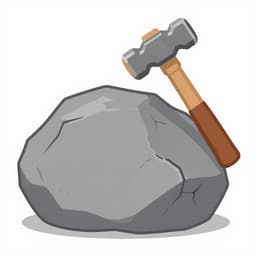
Hard (to the touch), tough, strenuous, harsh. Refers to physical texture, physical effort, or severity.
DOO-rohQuick Rule
Difícil is for mental effort (complex). Duro is for physical effort or texture (hard/tough).
Think: 'Difícil' for deciphering (mental). 'Duro' for diamonds (physical).
- 'Un examen duro' (a tough exam) is a common overlap where 'duro' means rigorous or long.
- 'Tiempos duros' (hard times) is a common abstract use of 'duro' to mean harsh or severe.
Comparison Table
| Context | difícil | duro | Why? |
|---|---|---|---|
| Describing a task | Un problema difícil | Un trabajo duro | Difícil for a mentally complex problem. Duro for physically demanding work. |
| Describing a person | Es una persona difícil | Es una persona dura | Difícil = complicated, hard to deal with. Duro = tough, strict, unemotional. |
| Describing an exam | Un examen difícil | Un examen duro | Difícil focuses on the complexity of the questions. Duro can mean the same, but often implies it was long, tiring, or graded harshly. |
| Describing an object | Un concepto difícil | Un colchón duro | Difícil for abstract things that are hard to grasp. Duro for physical things that are hard to the touch. |
When to Use "difícil / duro"
difícil
Difficult, complex, complicated. Refers to things that require mental effort to understand or solve.
dee-FEE-seel
Mental challenges
El examen de matemáticas fue muy difícil.
The math test was very difficult.
Complex tasks or concepts
Aprender un nuevo idioma es difícil al principio.
Learning a new language is difficult at first.
Complicated situations
Es una situación difícil de explicar.
It's a difficult situation to explain.
Describing a person's personality
Mi colega es una persona un poco difícil.
My colleague is a bit of a difficult person.
duro
Hard (to the touch), tough, strenuous, harsh. Refers to physical texture, physical effort, or severity.
DOO-roh
Physical hardness/texture
Este pan está duro como una piedra.
This bread is hard as a rock.
Physical effort/labor
Trabajar en la construcción es muy duro.
Working in construction is very hard/tough.
Toughness or resilience in a person
A pesar de todo, es un hombre muy duro.
Despite everything, he's a very tough man.
Harshness or severity
El invierno pasado fue muy duro.
Last winter was very harsh.
Contrast Examples
With "difícil":
Mi jefe es difícil.
My boss is difficult. (He's complicated, hard to please.)
With "duro":
Mi jefe es duro.
My boss is tough/hard. (He's strict, demanding, not sentimental.)
The Difference: A 'difícil' person is a challenge to your patience and understanding. A 'duro' person is a challenge to your effort and emotions.
With "difícil":
Fue una decisión difícil.
It was a difficult decision. (It was complex and required a lot of thought.)
With "duro":
Fue una época dura.
It was a hard/tough time. (It was harsh and full of hardship.)
The Difference: 'Difícil' points to the mental complexity of a problem or choice. 'Duro' points to the emotional or physical hardship of an experience.
With "difícil":
El examen fue difícil.
The exam was difficult. (The questions were complex and hard to answer.)
With "duro":
El examen fue duro.
The exam was tough. (It was long, tiring, stressful, or graded very strictly.)
The Difference: Both can be used, but they have slightly different focuses. 'Difícil' is about the content's complexity, while 'duro' is about the overall challenging experience.
Common Mistakes
Esta cama es difícil.
Esta cama es dura.
When talking about physical texture (like a firm mattress), you need 'duro'. 'Difícil' would mean the bed is complicated, which doesn't make sense.
Levantar esa caja es muy difícil.
Levantar esa caja es muy duro.
While you could say it's 'difícil' (difficult to accomplish), 'duro' is much more common and natural when describing strenuous physical effort.
Quick Practice
Quick Quiz: Difícil vs Duro
Question 1 of 3
El problema de lógica era muy _____, pero lo resolví.
Related Grammar
Want to understand the grammar behind this pair? Explore these lessons for a deep dive:
Key Words


Tags
Build the instinct, not just the rule
Rules help you get it right; context makes it automatic. Read 200+ illustrated and narrated Spanish stories to see confusing pairs chosen correctly — over and over — until you stop thinking about it.
Frequently Asked Questions
Can 'duro' ever mean 'difficult' in a mental sense?
Yes, there's some overlap. You'll often hear 'un examen duro' or 'una pregunta dura' to mean a tough test or question. In these cases, it emphasizes the rigor and overall challenge, while 'difícil' focuses more specifically on the intellectual complexity.
How do I say 'He works hard'?
You would say 'Él trabaja duro' or 'Él trabaja mucho'. You would not say 'Él trabaja difícil'. Remember, 'duro' is for physical (or metaphorical) effort and labor.