
Fijar vs Fijarse
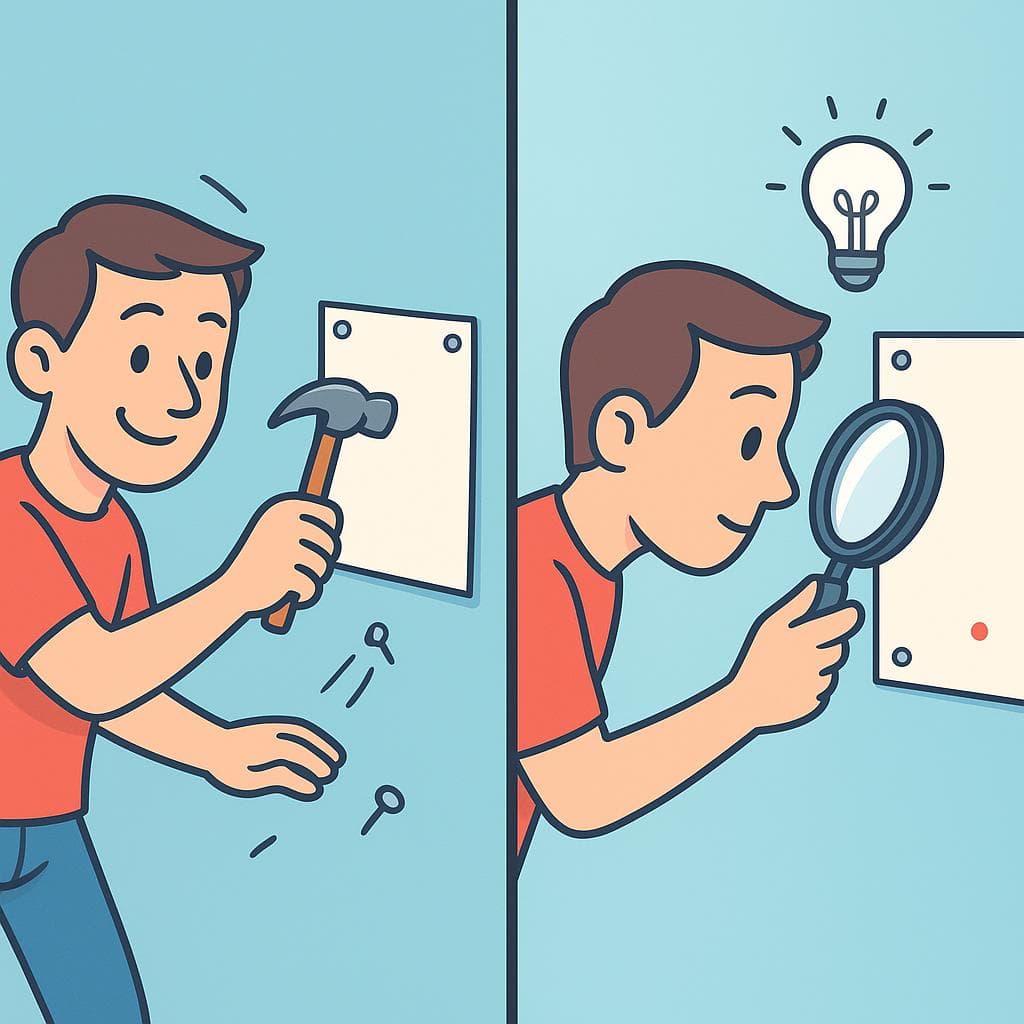
Fijar = to attach something. Fijarse = to notice something.
fijar
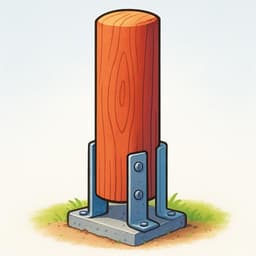
To attach, to set, to fix (in place)
fee-HARfijarse
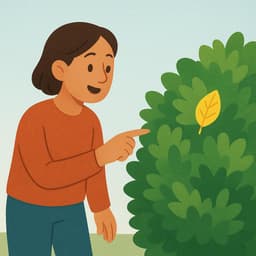
To notice, to pay attention to (almost always used with 'en')
fee-HAR-sehQuick Rule
Fijar = to attach something. Fijarse = to notice something.
Think: Fijar is for FIXING something in place. Fijarse is for FIXING your eyes on something (to notice it).
- Fijarse almost always needs the preposition 'en' after it (fijarse en algo).
Comparison Table
| Context | fijar | fijarse | Why? |
|---|---|---|---|
| Looking at something | Fija la vista en el objetivo. | Fíjate en ese coche rojo. | Fijar is the action of directing your eyes. Fijarse is the mental act of noticing. |
| Dealing with rules | La empresa va a fijar nuevas reglas. | Fíjate en las reglas para no tener problemas. | Fijar establishes the rules. Fijarse is about paying attention to them. |
| Giving instructions | Fija el estante a la pared aquí. | Fíjate cómo lo hago yo primero. | Fijar is a command for a physical action. Fijarse is a command to observe. |
When to Use "fijar / fijarse"
fijar
To attach, to set, to fix (in place)
fee-HAR
To physically attach or fasten
Voy a fijar el cuadro en la pared.
I'm going to hang/fix the picture on the wall.
To set or establish a rule/date
Fijaron la fecha de la boda para junio.
They set the wedding date for June.
To focus or direct one's gaze
El gato fijó la mirada en el pájaro.
The cat fixed its gaze on the bird.
fijarse
To notice, to pay attention to (almost always used with 'en')
fee-HAR-seh
To notice something or someone
¿Te fijaste en su nuevo corte de pelo?
Did you notice her new haircut?
To pay close attention to something
Fíjate bien en las instrucciones antes de empezar.
Pay close attention to the instructions before you start.
To realize something
No me había fijado que ya era tan tarde.
I hadn't realized it was so late already.
Contrast Examples
With "fijar":
El artista fijó su atención en los detalles.
The artist fixed his attention on the details.
With "fijarse":
Me fijé en los detalles del cuadro.
I noticed the details of the painting.
The Difference: 'Fijar la atención' is a more formal way to say 'to focus intently'. 'Fijarse en' is the common, everyday way to say you noticed something.
With "fijar":
Debes fijar metas claras para tu futuro.
You should set clear goals for your future.
With "fijarse":
Fíjate en las oportunidades que tienes ahora.
Pay attention to the opportunities you have now.
The Difference: 'Fijar' creates or establishes something new (like goals). 'Fijarse en' is about perceiving or paying attention to something that already exists.
Common Mistakes
Fijé su vestido nuevo.
Me fijé en su vestido nuevo.
To say you noticed something, you need the reflexive form 'fijarse' and the preposition 'en'. 'Fijé su vestido' sounds like you physically attached her dress to something.
Fíjate el cartel.
Fíjate en el cartel.
'Fijarse' almost always requires 'en' when you specify *what* you are noticing. Think of it as 'pay attention *to* the sign'.
Quick Practice
Quick Quiz: Fijar vs Fijarse
Question 1 of 3
Complete the sentence: ¡___ en ese pájaro! Nunca había visto uno así.
Related Grammar
Want to understand the grammar behind this pair? Explore these lessons for a deep dive:
Key Words

Tags
Build the instinct, not just the rule
Rules help you get it right; context makes it automatic. Read 200+ illustrated and narrated Spanish stories to see confusing pairs chosen correctly — over and over — until you stop thinking about it.
Frequently Asked Questions
Why do I almost always need 'en' with 'fijarse'?
Think of 'fijarse en' as a single unit that means 'to pay attention *to*' or 'to notice'. The 'en' is like the 'to' or 'on' in English. It connects the action of noticing with the thing you are noticing.
Is 'fijarse' the same as 'notar'?
They are very close synonyms and often interchangeable! 'Notar' (to notice) is a great alternative. 'Fijarse en' often implies a bit more active attention or looking for detail, while 'notar' can be more passive, like simply perceiving something without trying.