
Hacer vs Hacerse
Hacer = to do/make. Hacerse = to become (through effort or change).
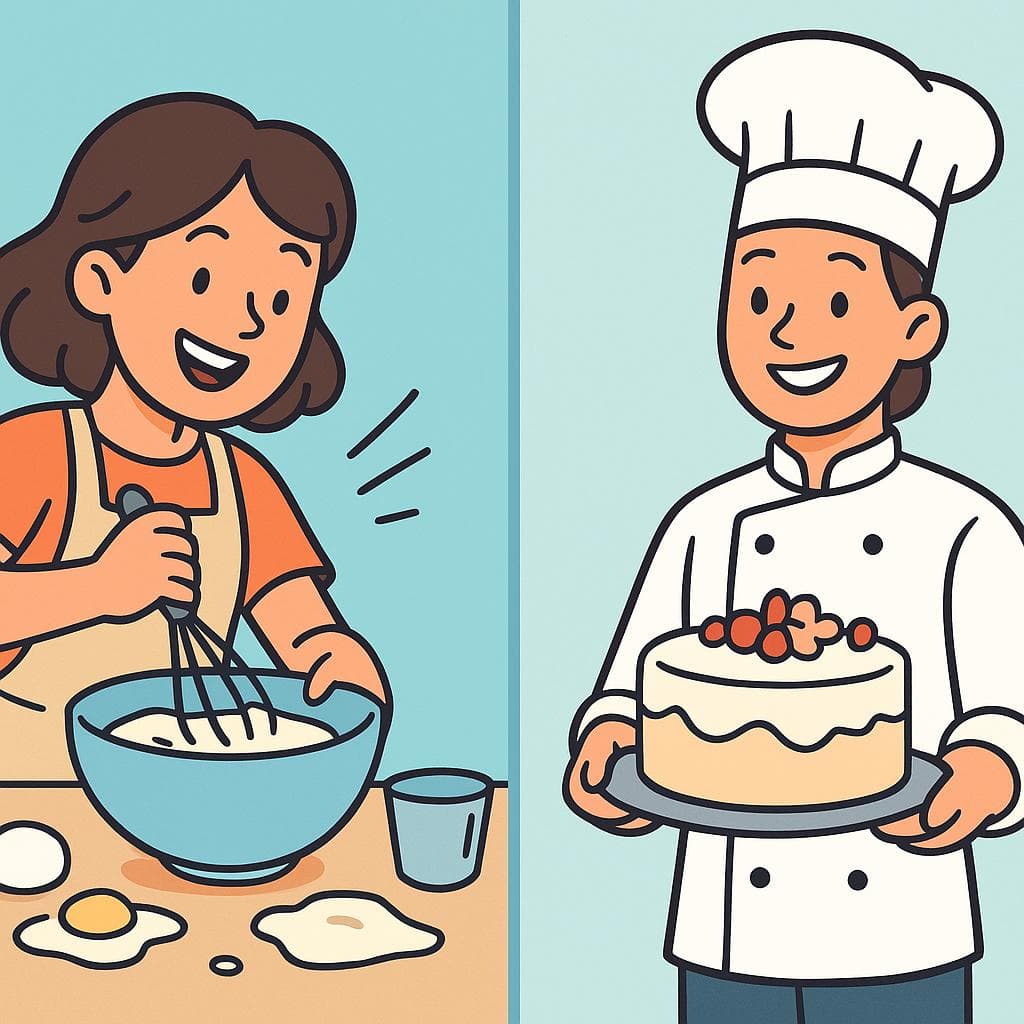
hacer
To do, to make (creating something, performing an action, causing an effect)
ah-SEHRhacerse
To become (a change in state, identity, or profession, often involving effort or a process)
ah-SEHR-sehQuick Rule
Hacer = to do/make. Hacerse = to become (through effort or change).
Think: Hacer is what you DO. Hacerse is what you BECOME.
- Hacerse tarde (to get late) is a natural process, not an effort.
- Hacerse el tonto (to play dumb) is a deliberate action, not a true transformation.
Comparison Table
| Context | hacer | hacerse | Why? |
|---|---|---|---|
| Professions | Hago el trabajo de un chef. | Me hice chef. | Hacer describes the tasks. Hacerse describes the transformation into that profession. |
| Personal Change | Hago amigos fácilmente. | Me hago más paciente con el tiempo. | Hacer for external results (making friends). Hacerse for an internal change in character. |
| Time & Process | Hace un día bonito. | Se hace tarde. | Hacer describes a static condition (the weather). Hacerse describes a process of change (getting late). |
| Action vs. Pretense | No hagas eso. | No te hagas el inocente. | Hacer is a direct command for an action. Hacerse is used to command someone to stop pretending. |
When to Use "hacer / hacerse"
hacer
To do, to make (creating something, performing an action, causing an effect)
ah-SEHR
Taking action
¿Qué haces este fin de semana?
What are you doing this weekend?
Making or creating something
Mi abuela hace la mejor paella.
My grandmother makes the best paella.
Describing weather
Hace mucho calor hoy.
It's very hot today.
Referring to time passed
Hace tres años que no la veo.
It's been three years since I've seen her.
hacerse
To become (a change in state, identity, or profession, often involving effort or a process)
ah-SEHR-seh
Becoming a professional (with effort)
Se hizo médico después de mucho estudiar.
He became a doctor after studying a lot.
Adopting an ideology or religion
Se hizo vegetariana por los animales.
She became a vegetarian for the animals.
A natural process or change over time
Se está haciendo de noche.
It's getting dark.
Pretending or feigning
Se hace el que no sabe nada.
He's pretending he doesn't know anything.
Contrast Examples
With "hacer":
Hago el trabajo de un programador.
I do the work of a programmer. (I perform the tasks.)
With "hacerse":
Me hice programador.
I became a programmer. (I went through the process to get the title.)
The Difference: Hacer focuses on the action or tasks you perform. Hacerse focuses on the transformation into that role, implying study or effort.
With "hacer":
Hago muchos amigos en las fiestas.
I make a lot of friends at parties.
With "hacerse":
Se hizo rico con su empresa.
He became rich with his company.
The Difference: Hacer is about creating or acquiring something external (friends). Hacerse describes a change in your own state or identity (becoming rich).
With "hacer":
El niño hace un dibujo.
The boy is making a drawing.
With "hacerse":
El niño se hace el dormido.
The boy is pretending to be asleep.
The Difference: Hacer refers to a real, creative action. Hacerse is used here to describe feigning a state or condition.
Common Mistakes
Mi hermana hace abogada.
Mi hermana se hizo abogada.
To talk about becoming a professional, you need the reflexive 'hacerse'. 'Hacer abogada' would imply she is physically creating a lawyer.
Se hace la cena.
Él hace la cena.
If you mean 'He is making dinner,' use 'hacer'. 'Se hace la cena' means 'Dinner is made' (passive voice), which is different.
Quick Practice
Quick Quiz: Hacer vs Hacerse
Question 1 of 3
Choose the correct sentence for 'She became a famous actress.'
Related Grammar
Want to understand the grammar behind this pair? Explore these lessons for a deep dive:
Key Words

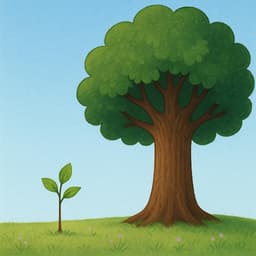
Tags
Build the instinct, not just the rule
Rules help you get it right; context makes it automatic. Read 200+ illustrated and narrated Spanish stories to see confusing pairs chosen correctly — over and over — until you stop thinking about it.
Frequently Asked Questions
Can I use 'hacerse' for any kind of change?
Not exactly. 'Hacerse' is best for changes in profession, ideology, or social status that often involve personal effort. For sudden emotional changes, you'd use 'ponerse' (se puso triste - he got sad), and for profound, lasting personality changes, you'd use 'volverse' (se volvió loco - he went crazy).
Why is 'hacerse tarde' (it's getting late) reflexive if there's no effort?
That's a great question! Some uses of reflexive verbs are idiomatic, meaning they just have to be memorized. 'Hacerse de noche' (to become night) and 'hacerse tarde' (to get late) are examples where the reflexive form indicates a process of change happening over time, rather than a person's effort.