
Llevar vs Llevarse
Llevar = to carry or wear. Llevarse = to take away or get along.
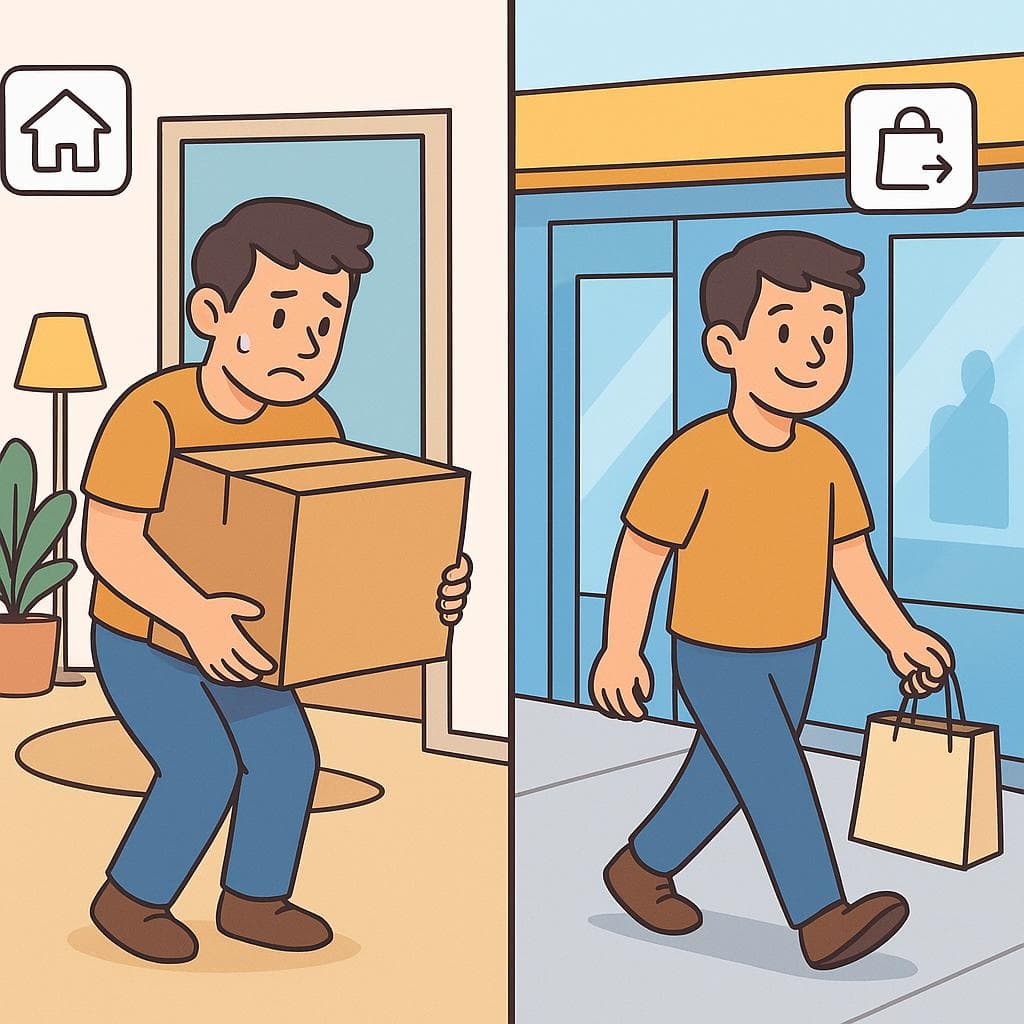
llevar
To carry, to transport, to wear, to lead (a life), to have been doing something for a period of time.
yeh-VARllevarse
To take something away with you, to get along with someone, to be in fashion.
yeh-VAR-sehQuick Rule
Llevar = to carry or wear. Llevarse = to take away or get along.
Think: Llevar is to CARRY. LlevarSE is to SEIZE (and take it with you).
- The phrase 'llevarse bien/mal con alguien' (to get along well/badly) is a special meaning.
- 'Llevarse una sorpresa' means to get a surprise.
Comparison Table
| Context | llevar | llevarse | Why? |
|---|---|---|---|
| At a store | Lleva un vestido rojo. | Se lleva el vestido rojo. | Llevar = she IS WEARING a red dress. Llevarse = she IS TAKING/BUYING the red dress. |
| With an item | Llevo el paraguas por si llueve. | ¡Alguien se llevó mi paraguas! | Llevar = I'm carrying the umbrella. Llevarse = someone took my umbrella away. |
| Relationships | Llevo a mi hermano al cine. | Me llevo bien con mi hermano. | Llevar = physically taking him somewhere. Llevarse = having a good relationship with him. |
| At a restaurant | El camarero lleva la sopa a la mesa. | Me llevo la sopa para casa. | Llevar = transporting the soup to the table. Llevarse = taking the soup away (as takeout). |
When to Use "llevar / llevarse"
llevar
To carry, to transport, to wear, to lead (a life), to have been doing something for a period of time.
yeh-VAR
To carry or transport something
Llevo los platos a la cocina.
I'm carrying the plates to the kitchen.
To wear clothing or accessories
Hoy llevo mi chaqueta nueva.
Today I'm wearing my new jacket.
To take someone somewhere
Mi padre me lleva a la escuela cada mañana.
My dad takes me to school every morning.
To express duration of time
Llevo dos años viviendo aquí.
I've been living here for two years.
llevarse
To take something away with you, to get along with someone, to be in fashion.
yeh-VAR-seh
To take something away from a place
Me voy a llevar el último trozo de pizza.
I'm going to take the last slice of pizza.
To get along with someone
Me llevo muy bien con mis compañeros de trabajo.
I get along very well with my coworkers.
To describe what's fashionable or popular
Este año se llevan los colores vivos.
Bright colors are in style this year.
To receive a surprise or impression
Nos llevamos una gran alegría al verte.
We were overjoyed to see you.
Contrast Examples
With "llevar":
Llevo a mi hermano al aeropuerto.
I'm taking my brother to the airport.
With "llevarse":
Me llevo muy bien con mi hermano.
I get along very well with my brother.
The Difference: Llevar is about physical transportation. Llevarse describes the quality of your relationship.
With "llevar":
La modelo lleva un abrigo de lana.
The model is wearing a wool coat.
With "llevarse":
Me llevo este abrigo de lana.
I'm taking (buying) this wool coat.
The Difference: Llevar describes what is being worn. Llevarse indicates the act of purchasing or taking an item from the store.
With "llevar":
Llevo la fuente vacía a la cocina.
I'm carrying the empty platter to the kitchen.
With "llevarse":
Me llevo unas galletas para el camino.
I'm taking some cookies with me for the road.
The Difference: Llevar is simply moving an object within a location. Llevarse means taking something away from that location for yourself.
Common Mistakes
Llevo bien con mis suegros.
Me llevo bien con mis suegros.
The expression for getting along with people is always reflexive: 'llevarse bien/mal con'.
Llevo esta camisa.
Me llevo esta camisa.
In a store, if you mean 'I'll take it' or 'I'm buying it', you must use 'llevarse'. 'Llevo esta camisa' only means 'I am wearing this shirt'.
Quick Practice
Quick Quiz: Llevar vs Llevarse
Question 1 of 3
To say 'I get along well with my boss', you should use:
Related Grammar
Want to understand the grammar behind this pair? Explore these lessons for a deep dive:
Key Words


Tags
Build the instinct, not just the rule
Rules help you get it right; context makes it automatic. Read 200+ illustrated and narrated Spanish stories to see confusing pairs chosen correctly — over and over — until you stop thinking about it.
Frequently Asked Questions
So does adding '-se' always mean 'to take away'?
Not always, but it's a great starting point. The '-se' often adds a sense of 'for oneself' or completion. In the case of 'llevarse', it shifts the meaning from 'carrying' to 'taking for oneself'. However, there are also special meanings you just have to learn, like 'llevarse bien' (to get along).
How can I remember the difference between 'llevar' for wearing and 'llevarse' for buying?
Think about the action. When you wear clothes ('llevar'), you are just carrying them on your body. When you buy clothes ('llevarse'), you are taking them away from the store. The 'se' signals that you're taking them for yourself.