colapsar Imperfect Subjunctive Conjugation
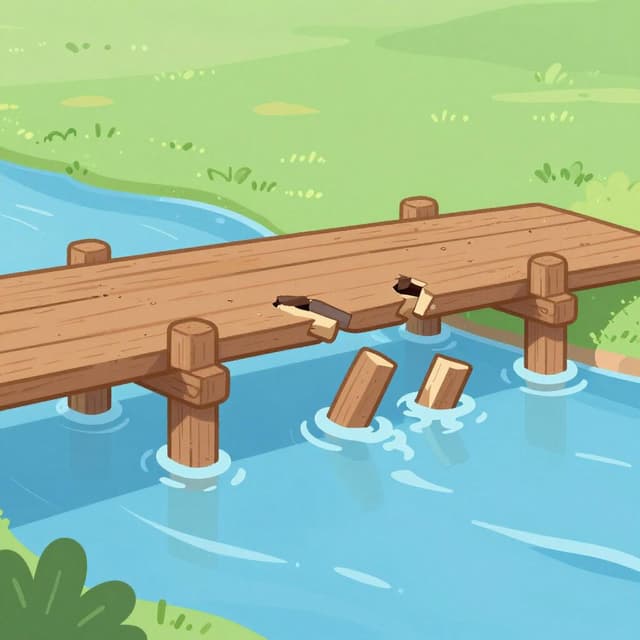
colapsar — to collapse
The imperfect subjunctive forms like 'colapsara' (él/ella/usted) express hypothetical or unlikely past situations or wishes.
colapsar Imperfect Subjunctive Forms
When to Use the Imperfect Subjunctive
Use the imperfect subjunctive for hypothetical situations in the past, or to express wishes and doubts related to past events. For example, 'Si el puente colapsara, habría sido un desastre.' (If the bridge were to collapse, it would have been a disaster.)
Notes on colapsar in the Imperfect Subjunctive
Colapsar is regular in the imperfect subjunctive. You can use either the -ra or -se ending (e.g., colapsara or colapsase), but the -ra form is more common.
Example Sentences
Ojalá no colapsara el tráfico a esa hora.
I wish the traffic wouldn't collapse at that hour.
él/ella/usted
Si la estructura colapsara, sería peligroso.
If the structure were to collapse, it would be dangerous.
él/ella/usted
Me pidió que no colapsara su conexión a internet.
He asked me not to collapse his internet connection.
él/ella/usted
Dudaba que colapsaran el edificio tan rápido.
I doubted they would collapse the building so quickly.
ellos/ellas/ustedes
Common Mistakes
Mistake: Using the preterite or imperfect indicative instead of the imperfect subjunctive.
Correct: For hypothetical or uncertain past situations, use forms like 'colapsara' or 'colapsarais'.
Why: The indicative mood describes facts, while the subjunctive is for uncertainty, doubt, emotion, or hypothetical scenarios.
Master Spanish verbs in context
Memorizing tables only gets you so far. Read 200+ illustrated and narrated Spanish stories to see verbs like 'colapsar' used naturally — in the tenses you're learning.
Related Tenses
Present
yo: colapso
The present tense forms like 'colapso' (yo) and 'colapsan' (ellos/ellas/ustedes) describe current actions or general truths.
Preterite
yo: colapsé
The preterite of 'colapsar' is regular: 'colapsé', 'colapsaste', 'colapsó', 'colapsamos', 'colapsasteis', 'colapsaron'.
Imperfect
yo: colapsaba
The imperfect forms like 'colapsaba' (yo) describe ongoing or habitual past actions or set the scene.
Future
yo: colapsaré
The future tense forms like 'colapsaré' (yo) and 'colapsarán' (ellos/ellas/ustedes) predict or express probability about future events.
Conditional
yo: colapsaría
The conditional forms like 'colapsaría' (yo) express hypothetical situations ('would'), polite requests, or future-in-the-past.
Present Subjunctive
yo: colapse
The present subjunctive forms like 'colapse' (él/ella/usted) are used for wishes, doubts, emotions, and recommendations.
Affirmative Imperative
yo: colapsa
Use the imperative forms like 'colapsa' (tú) and 'colapsen' (ustedes) for direct commands.
Negative Imperative
yo: no colapses
Negative commands for 'colapsar' use the present subjunctive with 'no', like 'no colapses' (tú) or 'no colapsen' (ustedes).