colapsar Preterite Conjugation
colapsar — to collapse
The preterite of 'colapsar' is regular: 'colapsé', 'colapsaste', 'colapsó', 'colapsamos', 'colapsasteis', 'colapsaron'.
colapsar Preterite Forms
When to Use the Preterite
Use the preterite for completed actions in the past. For 'colapsar,' this means an event of collapsing that started and finished at a specific point in time, like a building collapsing during an earthquake.
Notes on colapsar in the Preterite
Colapsar is completely regular in the preterite tense. All forms follow the standard -ar conjugation pattern.
Example Sentences
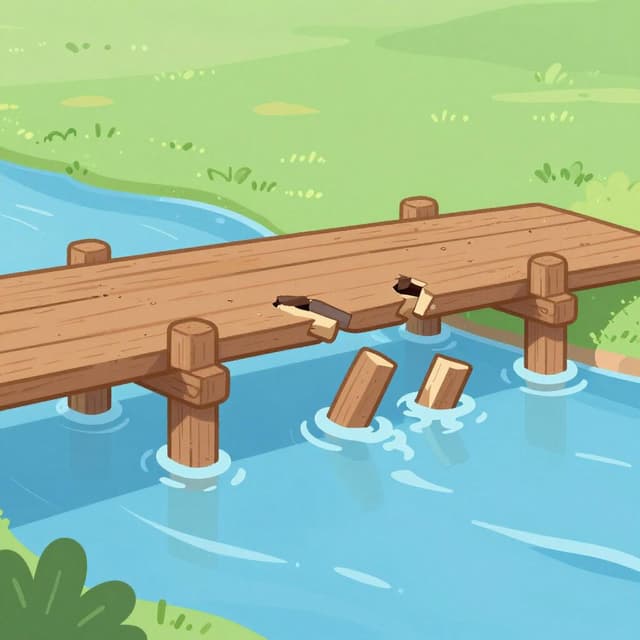
El viejo puente colapsó ayer por la tarde.
The old bridge collapsed yesterday afternoon.
él/ella/usted
Colapsamos el sistema sin querer.
We collapsed the system by accident.
nosotros
Colapsé de cansancio después del maratón.
I collapsed from exhaustion after the marathon.
yo
¿Colapsasteis el sitio web con tantas visitas?
Did you all collapse the website with so many visits?
vosotros
Common Mistakes
Mistake: Using the imperfect tense ('colapsaba') instead of the preterite ('colapsó') for a single, completed event.
Correct: For a specific, finished collapse, use the preterite: 'El techo colapsó' (The roof collapsed).
Why: The preterite marks a definite past event, while the imperfect describes ongoing or habitual past actions.
Master Spanish verbs in context
Memorizing tables only gets you so far. Read 200+ illustrated and narrated Spanish stories to see verbs like 'colapsar' used naturally — in the tenses you're learning.
Related Tenses
Present
yo: colapso
The present tense forms like 'colapso' (yo) and 'colapsan' (ellos/ellas/ustedes) describe current actions or general truths.
Imperfect
yo: colapsaba
The imperfect forms like 'colapsaba' (yo) describe ongoing or habitual past actions or set the scene.
Future
yo: colapsaré
The future tense forms like 'colapsaré' (yo) and 'colapsarán' (ellos/ellas/ustedes) predict or express probability about future events.
Conditional
yo: colapsaría
The conditional forms like 'colapsaría' (yo) express hypothetical situations ('would'), polite requests, or future-in-the-past.
Present Subjunctive
yo: colapse
The present subjunctive forms like 'colapse' (él/ella/usted) are used for wishes, doubts, emotions, and recommendations.
Imperfect Subjunctive
yo: colapsara
The imperfect subjunctive forms like 'colapsara' (él/ella/usted) express hypothetical or unlikely past situations or wishes.
Affirmative Imperative
yo: colapsa
Use the imperative forms like 'colapsa' (tú) and 'colapsen' (ustedes) for direct commands.
Negative Imperative
yo: no colapses
Negative commands for 'colapsar' use the present subjunctive with 'no', like 'no colapses' (tú) or 'no colapsen' (ustedes).