dibujar Negative Imperative Conjugation
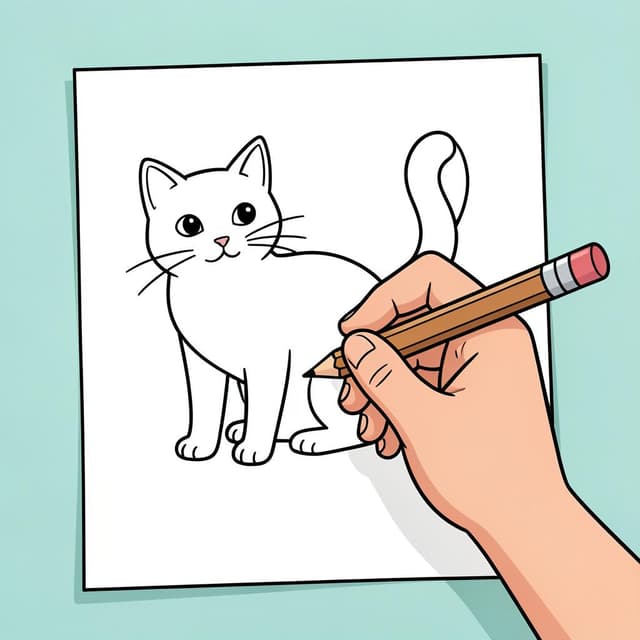
dibujar — to draw
Use 'no dibujes' for tú, 'no dibuje' for usted, 'no dibujemos' for nosotros, 'no dibujen' for ustedes, and 'no dibujéis' for vosotros to give negative commands.
dibujar Negative Imperative Forms
When to Use the Negative Imperative
This is for telling someone NOT to do something. It's the flip side of the imperative, used when you want to prevent an action.
Notes on dibujar in the Negative Imperative
All negative commands in Spanish use the present subjunctive. Dibujar is regular here, following the standard present subjunctive conjugation: no + [present subjunctive form].
Example Sentences
No dibujes sobre la mesa.
Don't draw on the table.
tú
Por favor, no dibuje aquí.
Please, don't draw here.
usted
No dibujemos con ese color.
Let's not draw with that color.
nosotros
No dibujen en las paredes.
Don't draw on the walls.
No dibujéis con los dedos.
Don't draw with your fingers.
vosotros
Common Mistakes
Mistake: Forgetting the 'no'.
Correct: Always include 'no' before the verb in negative commands.
Why: The 'no' is essential to make the command negative.
Mistake: Using the infinitive instead of the subjunctive.
Correct: Use 'no dibujes' (subjunctive) not 'no dibujar' (infinitive) for tú commands.
Why: Negative commands, except for 'ustedes' and 'ellos/ellas' in some contexts, require the present subjunctive.
Master Spanish verbs in context
Memorizing tables only gets you so far. Read 200+ illustrated and narrated Spanish stories to see verbs like 'dibujar' used naturally — in the tenses you're learning.
Related Tenses
Present
yo: dibujo
The present indicative of dibujar (dibujo, dibujas, dibuja, dibujamos, dibujáis, dibujan) describes current actions, habits, or general truths.
Preterite
yo: dibujé
The preterite of dibujar is regular: dibujé, dibujaste, dibujó, dibujamos, dibujasteis, dibujaron, used for completed past actions.
Imperfect
yo: dibujaba
The imperfect of dibujar (dibujaba, dibujabas, dibujaba, dibujábamos, dibujabais, dibujaban) describes ongoing or habitual past actions.
Future
yo: dibujaré
The future of dibujar (dibujaré, dibujarás, dibujará, dibujaremos, dibujaréis, dibujarán) indicates actions that will happen.
Conditional
yo: dibujaría
The conditional of dibujar (dibujaría, dibujarías, dibujaría, dibujaríamos, dibujaríais, dibujarían) expresses 'would' actions, hypotheticals, or polite requests.
Present Subjunctive
yo: dibuje
The present subjunctive of dibujar (dibuje, dibujes, dibuje, dibujemos, dibujéis, dibujen) is used after expressions of doubt, desire, emotion, or uncertainty.
Imperfect Subjunctive
yo: dibujara
The imperfect subjunctive of dibujar (dibujara/dibujase) is used for past hypotheticals, wishes, or polite requests.
Affirmative Imperative
yo: dibuja
Use 'dibuja' for tú, 'dibuje' for usted, 'dibujemos' for nosotros, 'dibujen' for ustedes, and 'dibujad' for vosotros to give commands.