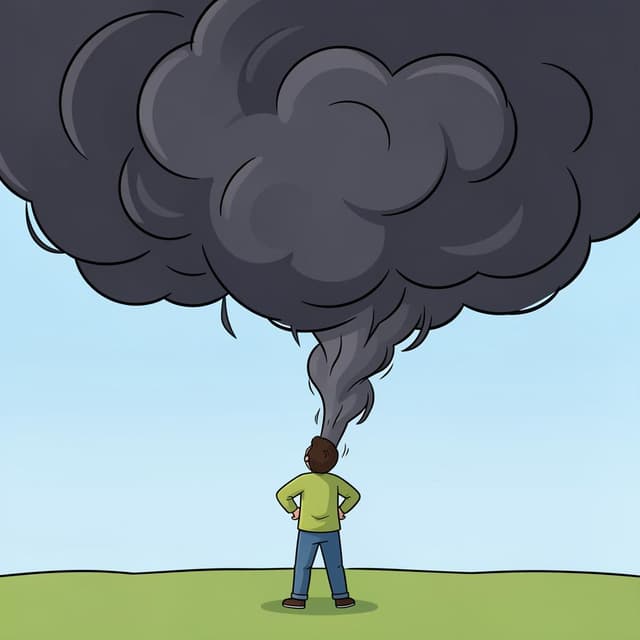
enfrentarse Future Conjugation
enfrentarse — to face
The future tense 'me enfrentaré' indicates actions that will happen in the future.
enfrentarse Future Forms
When to Use the Future
Use the future tense of 'enfrentarse' to talk about something that *will* happen regarding facing a situation or person. It can also express probability or conjecture about the present. For example, 'Mañana me enfrentaré a mis miedos' means 'Tomorrow I will face my fears.' Or, 'Se enfrentará a unos 50 invitados' might mean 'There will probably be about 50 guests.'
Notes on enfrentarse in the Future
'Enfrentarse' is regular in the future tense. The stem is the infinitive 'enfrentar-', and you add the standard future endings: me enfrentaré, te enfrentarás, se enfrentará, nos enfrentaremos, os enfrentaréis, se enfrentarán.
Example Sentences
En el futuro, me enfrentaré a nuevos desafíos.
In the future, I will face new challenges.
yo
¿Te enfrentarás a la situación sin dudar?
Will you face the situation without hesitation?
tú
Ella se enfrentará a la verdad tarde o temprano.
She will face the truth sooner or later.
él/ella/usted
Nos enfrentaremos a lo que venga.
We will face whatever comes.
nosotros
Common Mistakes
Mistake: Using the present tense instead of future, like 'Mañana me enfrento'.
Correct: Use the future tense for definite future actions: 'Mañana me enfrentaré'.
Why: The future tense specifically denotes actions that will occur later.
Mistake: Forgetting the reflexive pronoun 'se' in third person, like 'Él enfrentará el problema'.
Correct: Include the reflexive pronoun: 'Él se enfrentará al problema'.
Why: 'Enfrentarse' is reflexive and requires the corresponding pronoun.
Master Spanish verbs in context
Memorizing tables only gets you so far. Read 200+ illustrated and narrated Spanish stories to see verbs like 'enfrentarse' used naturally — in the tenses you're learning.
Related Tenses
Present
yo: me enfrento
The present tense 'me enfrento' is used for current actions, habits, and general truths about facing things.
Preterite
yo: me enfrenté
The preterite of 'enfrentarse' is used for completed actions in the past, like 'me enfrenté' (I faced).
Imperfect
yo: me enfrentaba
The imperfect 'me enfrentaba' describes ongoing or habitual past actions of facing.
Conditional
yo: me enfrentaría
The conditional 'me enfrentaría' expresses hypothetical actions or polite suggestions about facing things.
Present Subjunctive
yo: me enfrente
The present subjunctive 'me enfrente' is used after expressions of doubt, desire, emotion, or uncertainty.
Imperfect Subjunctive
yo: me enfrentara
The imperfect subjunctive 'enfrentara' or 'enfrentase' is used for past hypotheticals, doubts, or wishes.
Affirmative Imperative
yo: enfréntate
Commands like 'enfrenta tú!' or 'enfrentemos nosotros!' are formed using the imperative mood.
Negative Imperative
yo: no te enfrentes
Negative commands like 'no te enfrentes' are formed using the present subjunctive with 'no'.