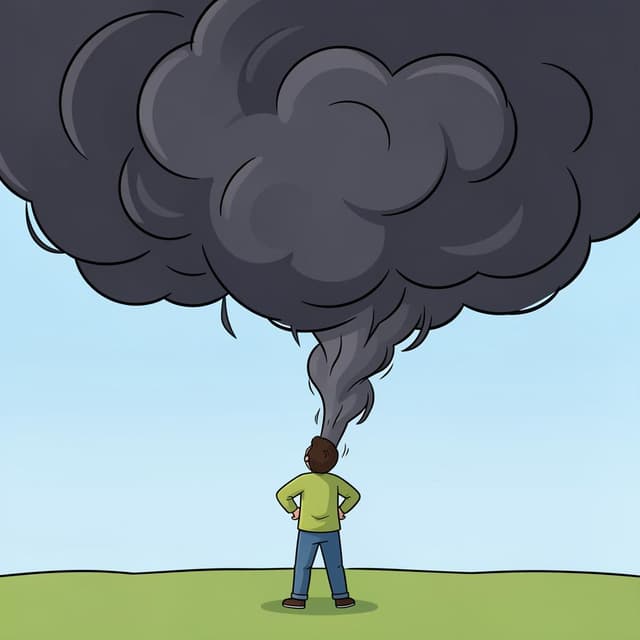
enfrentarse Imperfect Conjugation
enfrentarse — to face
The imperfect 'me enfrentaba' describes ongoing or habitual past actions of facing.
enfrentarse Imperfect Forms
When to Use the Imperfect
Use the imperfect tense of 'enfrentarse' to describe actions of facing that were ongoing, habitual, or set the scene in the past. It answers 'What used to happen?' or 'What was happening?'. For example, 'Cuando era joven, me enfrentaba a mis miedos todos los días' means 'When I was young, I used to face my fears every day.'
Notes on enfrentarse in the Imperfect
'Enfrentarse' is regular in the imperfect indicative. It uses the standard imperfect endings for -ar verbs: me enfrentaba, te enfrentabas, se enfrentaba, nos enfrentábamos, os enfrentabais, se enfrentaban.
Example Sentences
Antes me enfrentaba a la vida con optimismo.
Before, I used to face life with optimism.
yo
¿Tú te enfrentabas a tus padres por todo?
Did you used to face your parents about everything?
tú
Él se enfrentaba a la crítica sin inmutarse.
He used to face criticism without flinching.
él/ella/usted
Ellos se enfrentaban a situaciones complicadas a menudo.
They often faced complicated situations.
ellos/ellas/ustedes
Common Mistakes
Mistake: Using the preterite for habitual past actions, like 'Me enfrenté a mis miedos cada día'.
Correct: Use the imperfect for habitual past actions: 'Me enfrentaba a mis miedos cada día'.
Why: The imperfect describes ongoing or repeated actions in the past, not single completed events.
Mistake: Confusing the 'él/ella/usted' and 'yo' forms, e.g., 'Me enfrentaba' meaning 'he faced'.
Correct: Ensure the reflexive pronoun matches the subject: 'Yo me enfrentaba' (I used to face), 'Él se enfrentaba' (He used to face).
Why: The reflexive pronoun is essential to identify the subject when the verb ending is the same.
Master Spanish verbs in context
Memorizing tables only gets you so far. Read 200+ illustrated and narrated Spanish stories to see verbs like 'enfrentarse' used naturally — in the tenses you're learning.
Related Tenses
Present
yo: me enfrento
The present tense 'me enfrento' is used for current actions, habits, and general truths about facing things.
Preterite
yo: me enfrenté
The preterite of 'enfrentarse' is used for completed actions in the past, like 'me enfrenté' (I faced).
Future
yo: me enfrentaré
The future tense 'me enfrentaré' indicates actions that will happen in the future.
Conditional
yo: me enfrentaría
The conditional 'me enfrentaría' expresses hypothetical actions or polite suggestions about facing things.
Present Subjunctive
yo: me enfrente
The present subjunctive 'me enfrente' is used after expressions of doubt, desire, emotion, or uncertainty.
Imperfect Subjunctive
yo: me enfrentara
The imperfect subjunctive 'enfrentara' or 'enfrentase' is used for past hypotheticals, doubts, or wishes.
Affirmative Imperative
yo: enfréntate
Commands like 'enfrenta tú!' or 'enfrentemos nosotros!' are formed using the imperative mood.
Negative Imperative
yo: no te enfrentes
Negative commands like 'no te enfrentes' are formed using the present subjunctive with 'no'.