enfrentarse Imperfect Subjunctive Conjugation
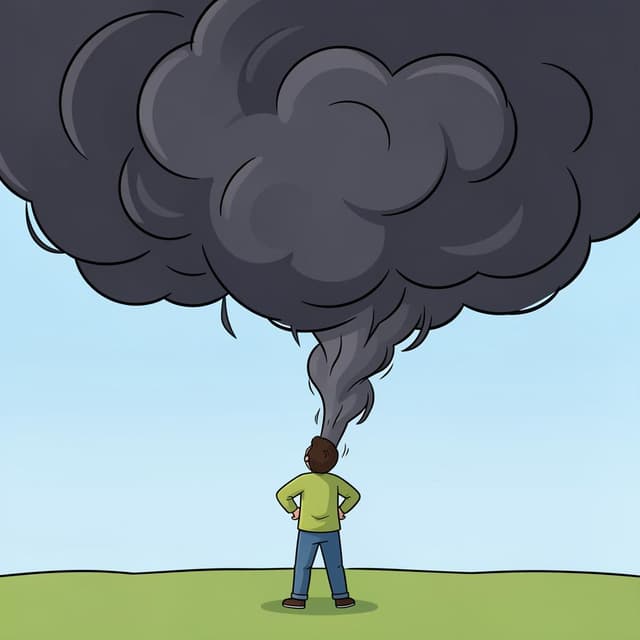
enfrentarse — to face
The imperfect subjunctive 'enfrentara' or 'enfrentase' is used for past hypotheticals, doubts, or wishes.
enfrentarse Imperfect Subjunctive Forms
When to Use the Imperfect Subjunctive
This tense is perfect for talking about hypothetical situations in the past or expressing wishes and doubts that were relevant in the past. Think of 'if I were to face...' or 'I wish I had faced...'. It often appears in conditional sentences or after verbs expressing emotion or uncertainty about past events.
Notes on enfrentarse in the Imperfect Subjunctive
The imperfect subjunctive of 'enfrentarse' is regular. You just add the imperfect subjunctive endings to the infinitive stem 'enfrentar-': enfrentara/enfrentase, enfrentaras/enfrentases, etc.
Example Sentences
Ojalá me enfrentara a mis miedos más a menudo.
I wish I faced my fears more often.
yo
Si me enfrentase a ese problema, creo que lo resolvería.
If I were to face that problem, I think I would solve it.
yo
Dudaba que se enfrentaran a la situación tan pronto.
I doubted they would face the situation so soon.
ellos/ellas/ustedes
Me sorprendió que tú te enfrentaras a él.
It surprised me that you faced him.
tú
Common Mistakes
Mistake: Confusing imperfect subjunctive with preterite, e.g., 'Si me enfrenté'.
Correct: Use the imperfect subjunctive for hypothetical past conditions: 'Si me enfrentara...'.
Why: The preterite describes completed past actions, while the imperfect subjunctive is for unreal or hypothetical past situations.
Mistake: Using the wrong ending, like 'enfrentara' for 'tú'.
Correct: Ensure the ending matches the pronoun: 'tú te enfrentaras'.
Why: Each pronoun has a specific imperfect subjunctive ending.
Master Spanish verbs in context
Memorizing tables only gets you so far. Read 200+ illustrated and narrated Spanish stories to see verbs like 'enfrentarse' used naturally — in the tenses you're learning.
Related Tenses
Present
yo: me enfrento
The present tense 'me enfrento' is used for current actions, habits, and general truths about facing things.
Preterite
yo: me enfrenté
The preterite of 'enfrentarse' is used for completed actions in the past, like 'me enfrenté' (I faced).
Imperfect
yo: me enfrentaba
The imperfect 'me enfrentaba' describes ongoing or habitual past actions of facing.
Future
yo: me enfrentaré
The future tense 'me enfrentaré' indicates actions that will happen in the future.
Conditional
yo: me enfrentaría
The conditional 'me enfrentaría' expresses hypothetical actions or polite suggestions about facing things.
Present Subjunctive
yo: me enfrente
The present subjunctive 'me enfrente' is used after expressions of doubt, desire, emotion, or uncertainty.
Affirmative Imperative
yo: enfréntate
Commands like 'enfrenta tú!' or 'enfrentemos nosotros!' are formed using the imperative mood.
Negative Imperative
yo: no te enfrentes
Negative commands like 'no te enfrentes' are formed using the present subjunctive with 'no'.