enfrentarse Preterite Conjugation
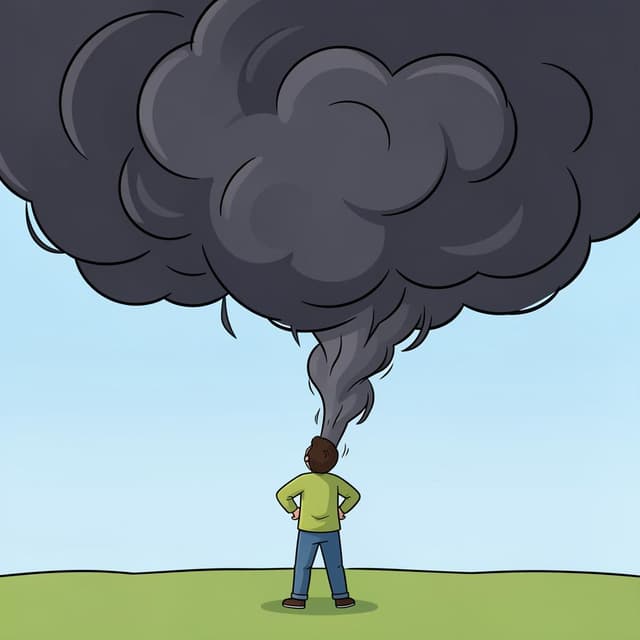
enfrentarse — to face
The preterite of 'enfrentarse' is used for completed actions in the past, like 'me enfrenté' (I faced).
enfrentarse Preterite Forms
When to Use the Preterite
Use the preterite of 'enfrentarse' to talk about a specific instance where you or someone else faced something directly, and that action is now completed. For example, 'Ayer me enfrenté al director' means 'Yesterday I faced the director.' It emphasizes the completion of the act of facing.
Notes on enfrentarse in the Preterite
'Enfrentarse' is regular in the preterite. It follows the standard -ar verb conjugation pattern: me enfrenté, te enfrentaste, se enfrentó, nos enfrentamos, os enfrentasteis, se enfrentaron.
Example Sentences
Ayer me enfrenté a un problema difícil.
Yesterday I faced a difficult problem.
yo
¿Te enfrentaste a tu jefe sobre el salario?
Did you face your boss about the salary?
tú
Ella se enfrentó a la multitud con coraje.
She faced the crowd with courage.
él/ella/usted
Los equipos se enfrentaron en la final.
The teams faced each other in the final.
ellos/ellas/ustedes
Common Mistakes
Mistake: Using the imperfect instead of the preterite for a single, completed action, like 'Me enfrentaba al problema'.
Correct: Use the preterite for completed actions: 'Me enfrenté al problema'.
Why: The preterite marks a specific, finished event, while the imperfect describes ongoing or habitual past actions.
Mistake: Forgetting the reflexive pronoun 'se' for third person, like 'Ella enfrentó el problema'.
Correct: Include the reflexive pronoun: 'Ella se enfrentó al problema'.
Why: 'Enfrentarse' is a reflexive verb and requires the appropriate reflexive pronoun (me, te, se, nos, os, se).
Master Spanish verbs in context
Memorizing tables only gets you so far. Read 200+ illustrated and narrated Spanish stories to see verbs like 'enfrentarse' used naturally — in the tenses you're learning.
Related Tenses
Present
yo: me enfrento
The present tense 'me enfrento' is used for current actions, habits, and general truths about facing things.
Imperfect
yo: me enfrentaba
The imperfect 'me enfrentaba' describes ongoing or habitual past actions of facing.
Future
yo: me enfrentaré
The future tense 'me enfrentaré' indicates actions that will happen in the future.
Conditional
yo: me enfrentaría
The conditional 'me enfrentaría' expresses hypothetical actions or polite suggestions about facing things.
Present Subjunctive
yo: me enfrente
The present subjunctive 'me enfrente' is used after expressions of doubt, desire, emotion, or uncertainty.
Imperfect Subjunctive
yo: me enfrentara
The imperfect subjunctive 'enfrentara' or 'enfrentase' is used for past hypotheticals, doubts, or wishes.
Affirmative Imperative
yo: enfréntate
Commands like 'enfrenta tú!' or 'enfrentemos nosotros!' are formed using the imperative mood.
Negative Imperative
yo: no te enfrentes
Negative commands like 'no te enfrentes' are formed using the present subjunctive with 'no'.