enfrentarse Present Conjugation
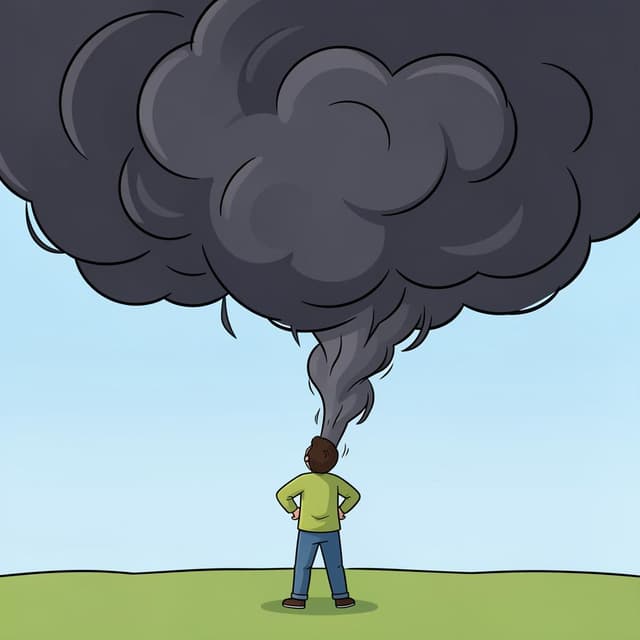
enfrentarse — to face
The present tense 'me enfrento' is used for current actions, habits, and general truths about facing things.
enfrentarse Present Forms
When to Use the Present
Use the present tense of 'enfrentarse' to describe actions happening right now, habitual behaviors, or general truths about facing situations or people. For example, 'Me enfrento a nuevos retos cada día' means 'I face new challenges every day.' It’s the go-to for present-day reality.
Notes on enfrentarse in the Present
'Enfrentarse' is regular in the present indicative. It has a stem change from 'e' to 'ie' in the tú, él/ella/usted, and ustedes forms, like the present indicative of 'abrir': me enfrento, te enfrentas, se enfrenta, nos enfrentamos, os enfrentáis, se enfrentan.
Example Sentences
Me enfrento a muchos desafíos en mi trabajo.
I face many challenges in my job.
yo
¿Te enfrentas a menudo a esta situación?
Do you often face this situation?
tú
El equipo se enfrenta a una dura competencia.
The team faces tough competition.
él/ella/usted
Nos enfrentamos a la realidad tal como es.
We face reality as it is.
nosotros
Common Mistakes
Mistake: Using the present subjunctive instead of the indicative for facts, e.g., 'Me enfrento a problemas' when stating a fact.
Correct: Use the present indicative for facts: 'Me enfrento a problemas'.
Why: The indicative is used for facts and objective reality, while the subjunctive is for doubt, desire, etc.
Mistake: Forgetting the reflexive pronoun, like 'Yo enfrento problemas'.
Correct: Include the reflexive pronoun: 'Yo me enfrento a problemas'.
Why: 'Enfrentarse' is a reflexive verb and requires the reflexive pronoun.
Master Spanish verbs in context
Memorizing tables only gets you so far. Read 200+ illustrated and narrated Spanish stories to see verbs like 'enfrentarse' used naturally — in the tenses you're learning.
Related Tenses
Preterite
yo: me enfrenté
The preterite of 'enfrentarse' is used for completed actions in the past, like 'me enfrenté' (I faced).
Imperfect
yo: me enfrentaba
The imperfect 'me enfrentaba' describes ongoing or habitual past actions of facing.
Future
yo: me enfrentaré
The future tense 'me enfrentaré' indicates actions that will happen in the future.
Conditional
yo: me enfrentaría
The conditional 'me enfrentaría' expresses hypothetical actions or polite suggestions about facing things.
Present Subjunctive
yo: me enfrente
The present subjunctive 'me enfrente' is used after expressions of doubt, desire, emotion, or uncertainty.
Imperfect Subjunctive
yo: me enfrentara
The imperfect subjunctive 'enfrentara' or 'enfrentase' is used for past hypotheticals, doubts, or wishes.
Affirmative Imperative
yo: enfréntate
Commands like 'enfrenta tú!' or 'enfrentemos nosotros!' are formed using the imperative mood.
Negative Imperative
yo: no te enfrentes
Negative commands like 'no te enfrentes' are formed using the present subjunctive with 'no'.