excavar Imperfect Subjunctive Conjugation
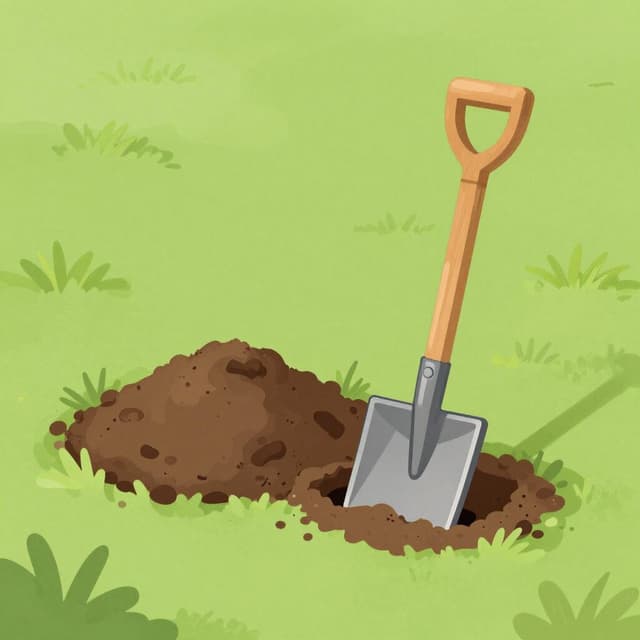
excavar — to dig
The imperfect subjunctive 'excavara' or 'excavase' is used for past hypotheticals, wishes, or doubts.
excavar Imperfect Subjunctive Forms
When to Use the Imperfect Subjunctive
This tense is used in hypothetical situations in the past, often with 'if' clauses (si...), or to express wishes, doubts, or emotions about past events. It's also used after certain conjunctions like 'como si' (as if).
Notes on excavar in the Imperfect Subjunctive
Excavar is regular in the imperfect subjunctive, both in the -ra and -se forms. For example, 'excavara' or 'excavase'.
Example Sentences
Si excavara más profundo, encontraría agua.
If I dug deeper, I would find water.
yo
Me gustaría que excavaras tú esa parte del jardín.
I would like you to dig that part of the garden.
tú
Actuaba como si no excavara nada.
He acted as if he wasn't digging anything.
él/ella/usted
Ojalá excavaran un túnel para escapar.
I wish they would dig a tunnel to escape.
ellos/ellas/ustedes
Common Mistakes
Mistake: Using the preterite instead of the imperfect subjunctive in 'si' clauses.
Correct: For hypothetical past situations, use the imperfect subjunctive: 'Si excavara...'.
Why: The imperfect subjunctive sets up a hypothetical or unreal condition in the past.
Mistake: Confusing the -ra and -se forms.
Correct: Both 'excavara' and 'excavase' are correct imperfect subjunctive forms. The -ra form is more common.
Why: Spanish offers two sets of endings for the imperfect subjunctive; they are generally interchangeable, though regional preferences exist.
Master Spanish verbs in context
Memorizing tables only gets you so far. Read 200+ illustrated and narrated Spanish stories to see verbs like 'excavar' used naturally — in the tenses you're learning.
Related Tenses
Present
yo: excavo
The present tense 'excavo' is used for actions happening now or habitual digging.
Preterite
yo: excavé
The preterite of excavar is regular: excavé, excavaste, excavó, excavamos, excavasteis, excavaron.
Imperfect
yo: excavaba
The imperfect 'excavaba' describes ongoing or habitual digging in the past.
Future
yo: excavaré
The future tense 'excavaré' is used for actions that will definitely happen.
Conditional
yo: excavaría
The conditional 'excavaría' is used for hypothetical 'would' scenarios and polite requests.
Present Subjunctive
yo: excave
The present subjunctive 'excave' is used for wishes, doubts, and recommendations.
Affirmative Imperative
yo: excava
Commands like 'excava!' or 'excavemos!' use the imperative, with 'tú' being regular: excava.
Negative Imperative
yo: no excavés
Negative commands like 'no excaves' or 'no excaven' all use the present subjunctive.