excavar Preterite Conjugation
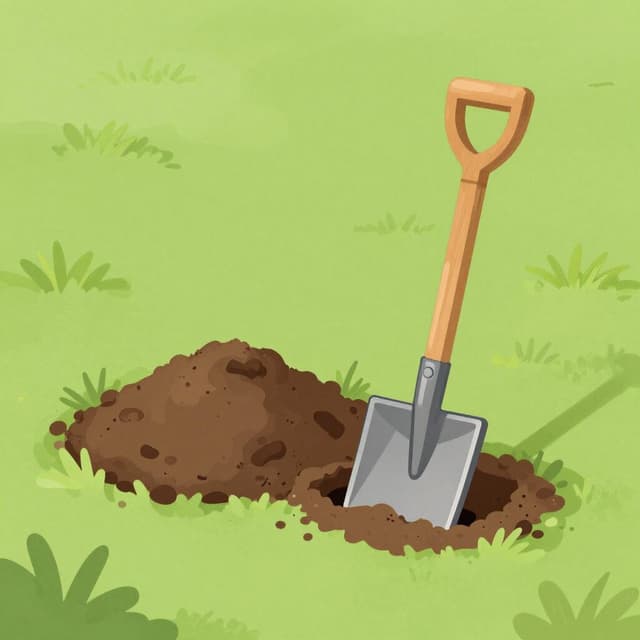
excavar — to dig
The preterite of excavar is regular: excavé, excavaste, excavó, excavamos, excavasteis, excavaron.
excavar Preterite Forms
When to Use the Preterite
Use the preterite to describe a completed action of digging in the past that happened at a specific time or had a clear end. For example, 'Yesterday, I dug a hole.'
Notes on excavar in the Preterite
Excavar is a regular -ar verb and follows the standard preterite conjugation patterns.
Example Sentences
Ayer excavé un hoyo para plantar el árbol.
Yesterday I dug a hole to plant the tree.
yo
¿Excavaste mucho ayer?
Did you dig a lot yesterday?
tú
El equipo excavó la base de la piscina.
The team dug the base of the pool.
él/ella/usted
Excavaron durante horas.
They dug for hours.
ellos/ellas/ustedes
Common Mistakes
Mistake: Using the imperfect 'excavaba' instead of the preterite for a completed action.
Correct: For a specific, completed action like 'I dug yesterday', use the preterite: 'excavé'.
Why: The preterite marks completed actions, while the imperfect describes ongoing or habitual past actions.
Mistake: Forgetting the accent on the 'yo' form.
Correct: The 'yo' form requires an accent: 'excavé'.
Why: The accent on the final 'é' distinguishes the first-person singular preterite from other forms and indicates stress.
Master Spanish verbs in context
Memorizing tables only gets you so far. Read 200+ illustrated and narrated Spanish stories to see verbs like 'excavar' used naturally — in the tenses you're learning.
Related Tenses
Present
yo: excavo
The present tense 'excavo' is used for actions happening now or habitual digging.
Imperfect
yo: excavaba
The imperfect 'excavaba' describes ongoing or habitual digging in the past.
Future
yo: excavaré
The future tense 'excavaré' is used for actions that will definitely happen.
Conditional
yo: excavaría
The conditional 'excavaría' is used for hypothetical 'would' scenarios and polite requests.
Present Subjunctive
yo: excave
The present subjunctive 'excave' is used for wishes, doubts, and recommendations.
Imperfect Subjunctive
yo: excavara
The imperfect subjunctive 'excavara' or 'excavase' is used for past hypotheticals, wishes, or doubts.
Affirmative Imperative
yo: excava
Commands like 'excava!' or 'excavemos!' use the imperative, with 'tú' being regular: excava.
Negative Imperative
yo: no excavés
Negative commands like 'no excaves' or 'no excaven' all use the present subjunctive.