pulir Future Conjugation
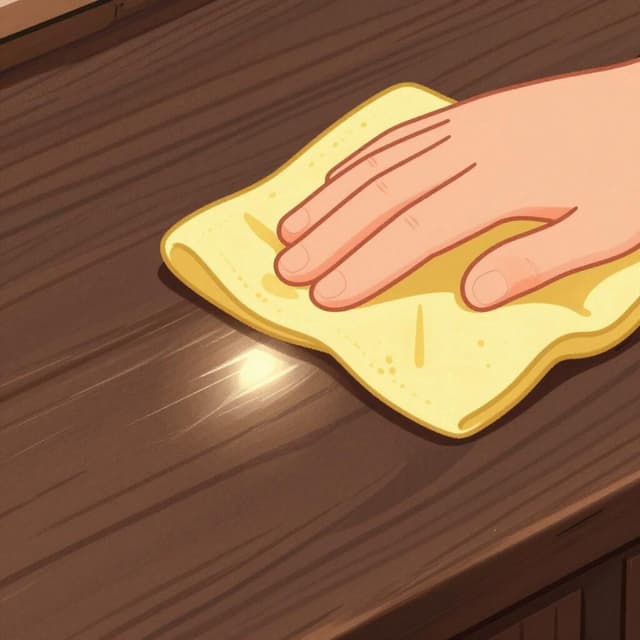
pulir — to polish
The future tense of 'pulir' is regular: puliré, pulirás, pulirá, puliremos, puliréis, pulirán.
pulir Future Forms
When to Use the Future
Use the future tense to talk about actions that will definitely happen. It's also used to express probability or conjecture about the present, like 'He will be polishing the floor right now'.
Notes on pulir in the Future
'Pulir' is regular in the future tense. The stem is the full infinitive 'pulir', and you add the standard future endings.
Example Sentences
Mañana puliré la mesa de centro.
Tomorrow I will polish the coffee table.
yo
¿Pulirás tú las escaleras?
Will you polish the stairs?
tú
Él pulirá el coche antes de la boda.
He will polish the car before the wedding.
él/ella/usted
Ellos pulirán los detalles finales.
They will polish the final details.
ellos/ellas/ustedes
Nosotros puliremos el texto pronto.
We will polish the text soon.
nosotros
Common Mistakes
Mistake: Using the present tense instead of the future.
Correct: For a future action, use 'puliré', not 'pulo'.
Why: The present tense refers to current actions, while the future tense refers to events that will occur later.
Mistake: Forgetting the accent on the endings for 'yo', 'tú', 'él/ella/usted'.
Correct: The endings have accents: 'puliré', 'pulirás', 'pulirá'.
Why: These accents are part of the standard future tense endings for -ir verbs.
Master Spanish verbs in context
Memorizing tables only gets you so far. Read 200+ illustrated and narrated Spanish stories to see verbs like 'pulir' used naturally — in the tenses you're learning.
Related Tenses
Present
yo: pulo
The present tense of 'pulir' is regular: pulo, pules, pule, pulimos, pulís, pulen.
Preterite
yo: pulí
The preterite of 'pulir' is regular: pulí, puliste, pulió, pulimos, pulisteis, pulieron.
Imperfect
yo: pulía
The imperfect of 'pulir' is regular: pulía, pulías, pulía, pulíamos, pulíais, pulían.
Conditional
yo: puliría
The conditional of 'pulir' is regular: puliría, pulirías, puliría, puliríamos, puliríais, pulirían.
Present Subjunctive
yo: pula
Use present subjunctive forms like 'pula' (yo/él/ella/usted) and 'pulan' (ellos/ellas/ustedes) after expressions of doubt, desire, or emotion.
Imperfect Subjunctive
yo: puliera
Use imperfect subjunctive forms like 'pudiera' (yo/él/ella/usted) and 'pudieran' (ellos/ellas/ustedes) for past hypotheticals or wishes.
Affirmative Imperative
yo: pule
Use imperative forms like 'pule' (tú) and 'pulan' (ustedes) for direct commands.
Negative Imperative
yo: no pulas
Negative commands use the present subjunctive with 'no', like 'no pulas' (tú) and 'no pulan' (ustedes).