acechar
“acechar” means “to stalk” in Spanish. It has 2 different meanings depending on context:
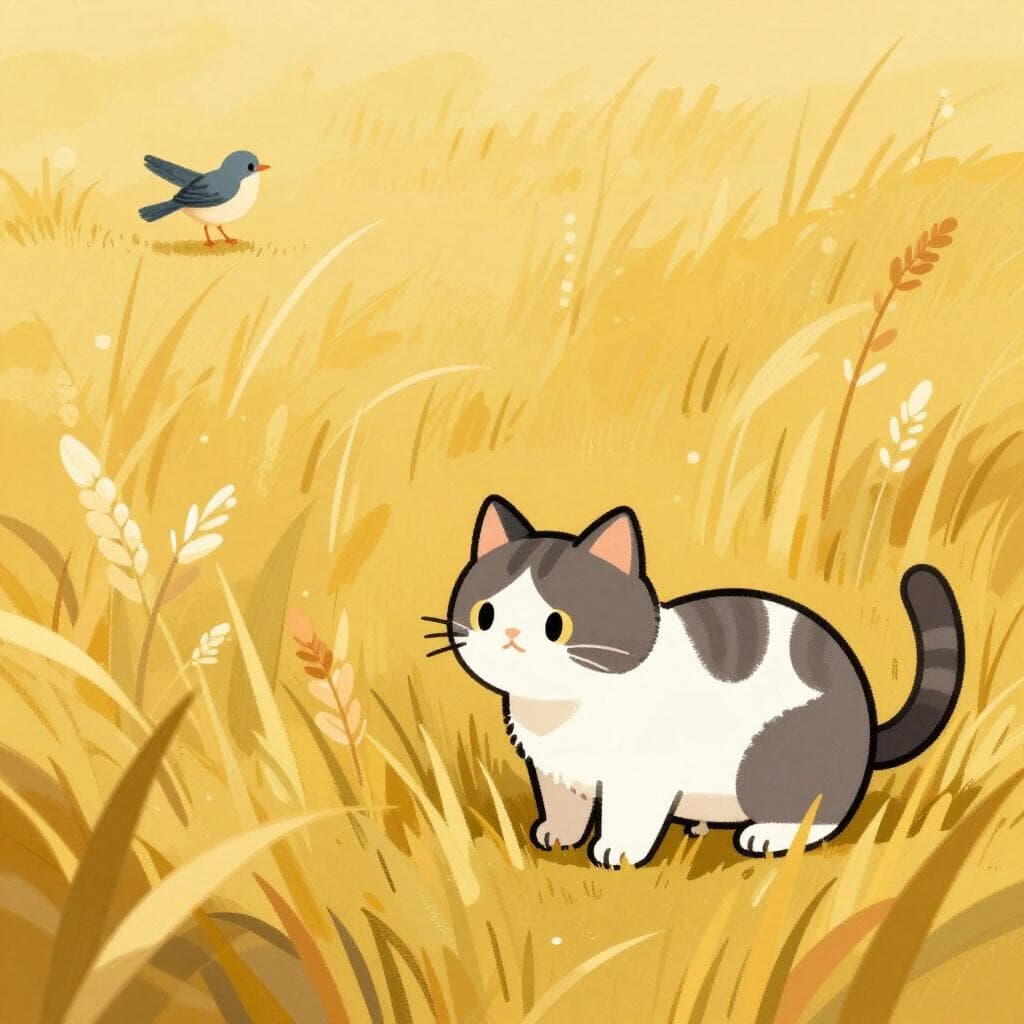

to stalk, to lie in wait for
Also: to spy on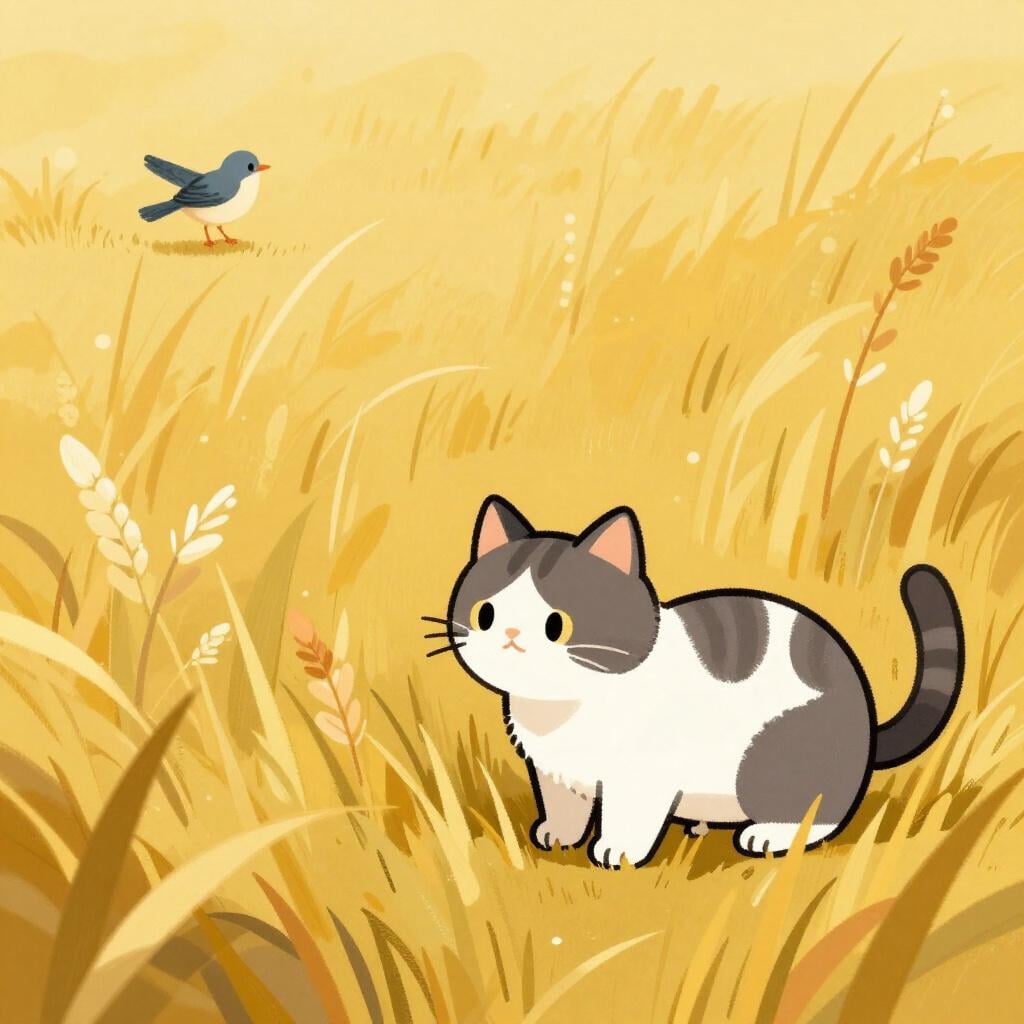
📝 In Action
El gato acecha al ratón detrás del sofá.
A2The cat is stalking the mouse behind the sofa.
Los leones acechan a su presa en la sabana.
B1Lions stalk their prey in the savanna.
Sentía que alguien lo acechaba desde las sombras.
B2He felt like someone was lying in wait for him from the shadows.
to lurk, to haunt

📝 In Action
Muchos peligros acechan en este bosque.
B2Many dangers lurk in this forest.
La duda siempre acecha en su mente.
C1Doubt is always lurking in his mind.
Subjunctive
Imperfect Subjunctive
Present Subjunctive
Indicative
Preterite
Imperfect
Present
✏️ Quick Practice
Quick Quiz: acechar
Question 1 of 3
Which sentence correctly uses 'acechar' to mean stalking an animal?
📚 More Resources
👥 Word Family▼
📚 Etymology▼
From the Latin word 'assectari', which means 'to follow someone intensely or frequently'. Over time, it evolved to imply the secrecy and stealth of watching someone without being seen.
First recorded: 13th century
Cognates (Related words)
💡 Master Spanish
Take your Spanish to the next level. Read 200+ illustrated and narrated Spanish stories tailored to your level with the Inklingo app!
Frequently Asked Questions
Is 'acechar' the same as 'stalking' on social media?
Not exactly. For social media stalking, Spanish speakers often use the borrowed word 'stalkear'. 'Acechar' sounds much more physical or threatening, like a predator in the wild.
Does 'acechar' always have a negative meaning?
Usually, yes. It implies secrecy, usually for the purpose of catching or surprising someone. It's rarely used for 'watching' in a friendly way.
How do I say 'to be on the lookout'?
You would use the noun form in the phrase 'estar al acecho'.