afilado
“afilado” means “sharp” in Spanish. It has 2 different meanings depending on context:
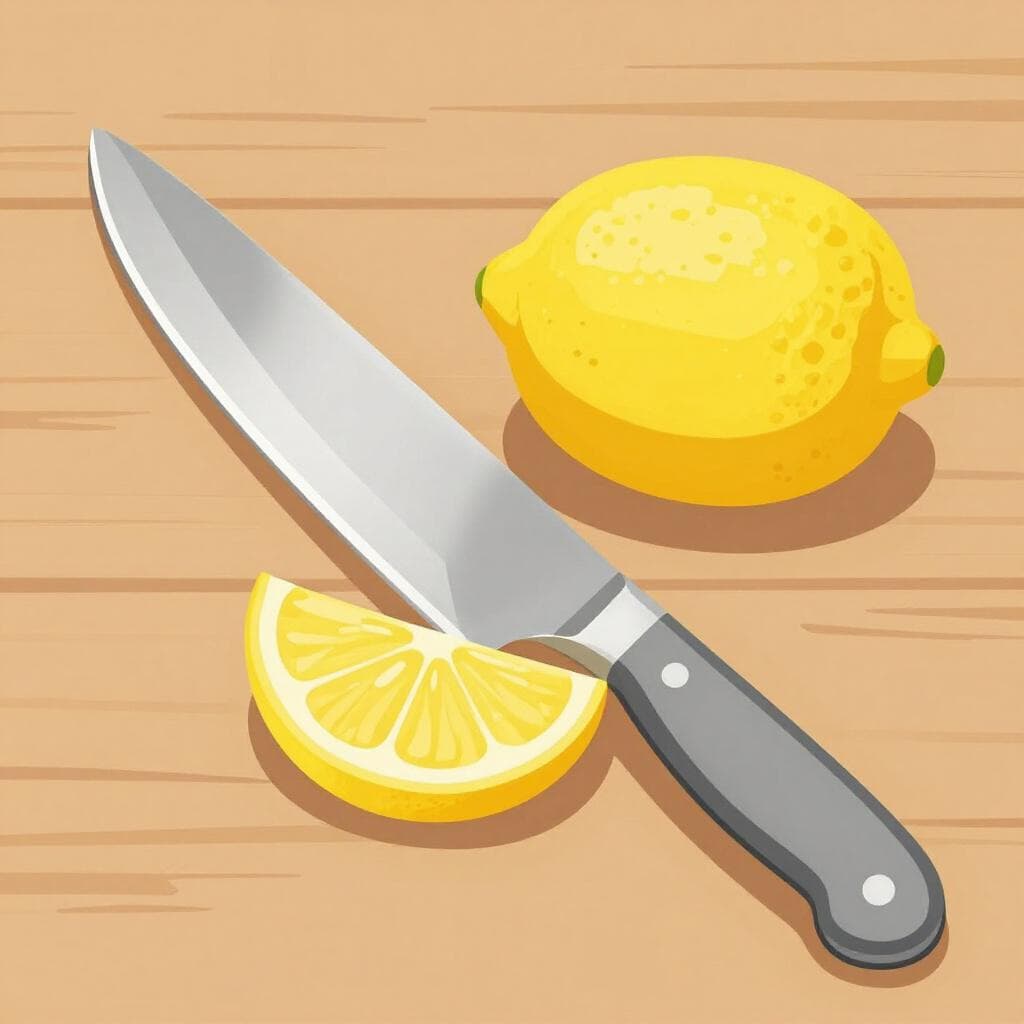

sharp
Also: tapered, pointed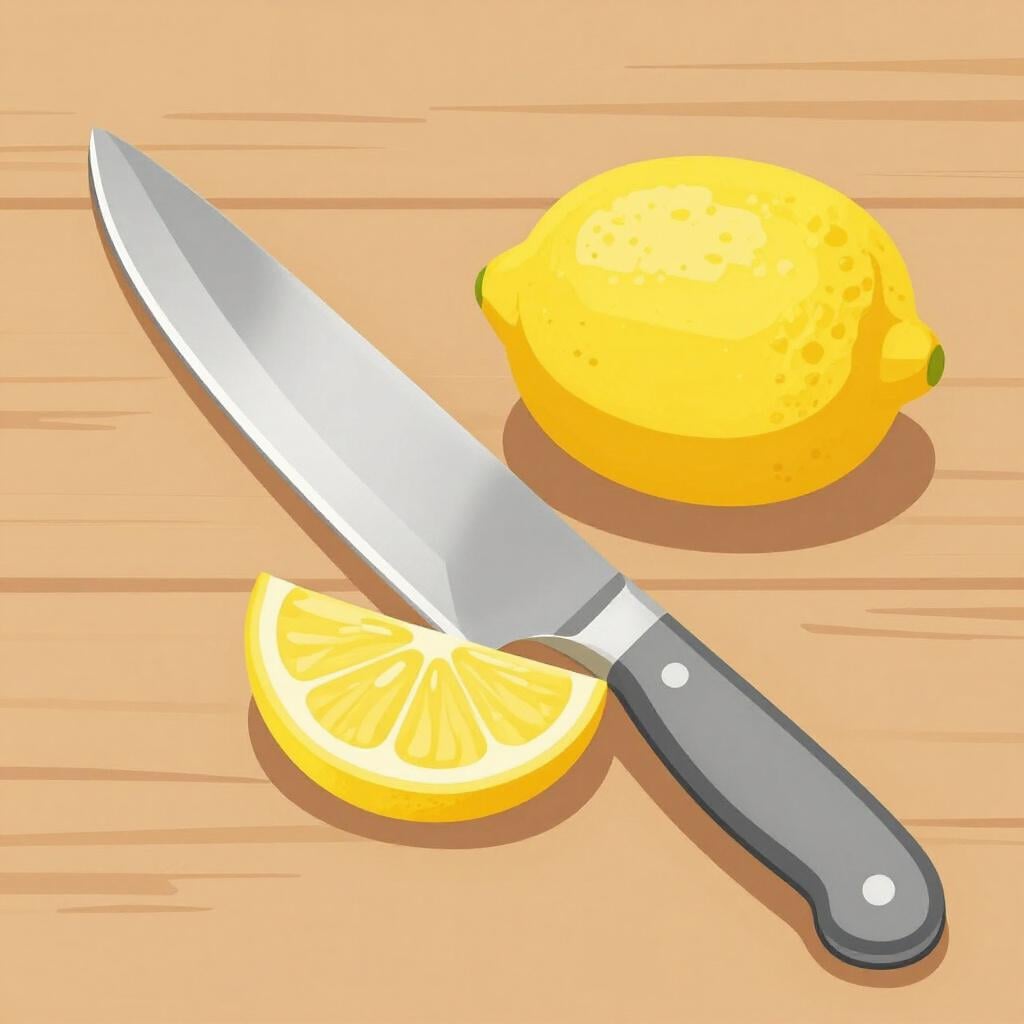
📝 In Action
Ten mucho cuidado con ese cuchillo; está muy afilado.
A1Be very careful with that knife; it's very sharp.
El lápiz tiene una punta muy afilada.
A2The pencil has a very sharp point.
El gato tiene garras afiladas para trepar.
B1The cat has sharp claws for climbing.
sharp
Also: keen, biting
📝 In Action
Su ingenio afilado lo hace el alma de la fiesta.
B2His sharp wit makes him the life of the party.
El detective tiene un sentido del oído muy afilado.
B2The detective has a very keen sense of hearing.
No me gusta su lengua afilada; a veces hiere a las personas.
C1I don't like her biting tongue; sometimes she hurts people.
✏️ Quick Practice
Quick Quiz: afilado
Question 1 of 3
Which of these objects would most likely be described as 'afilado'?
📚 More Resources
👥 Word Family▼
📚 Etymology▼
From the Spanish verb 'afilar,' which comes from 'a-' (towards) and 'filo' (edge). 'Filo' comes from the Latin 'filum,' which means 'thread'—describing how a blade's edge is as thin as a thread.
First recorded: 13th century
Cognates (Related words)
💡 Master Spanish
Take your Spanish to the next level. Read 200+ illustrated and narrated Spanish stories tailored to your level with the Inklingo app!
Frequently Asked Questions
Is 'afilado' the same as 'agudo'?
They are close, but 'afilado' usually refers to a cutting edge (like a blade), while 'agudo' refers to a point (like a needle) or a high-pitched sound.
How do I say 'dull' or 'not sharp'?
You can use 'desafilado' (un-sharpened) or 'romo' (blunt/rounded).
Can I use 'afilado' to describe a person's personality?
Yes, but usually to describe their wit or their way of speaking (biting/sarcastic), rather than saying they are 'smart' in general.