How to Say "sharp" in Spanish
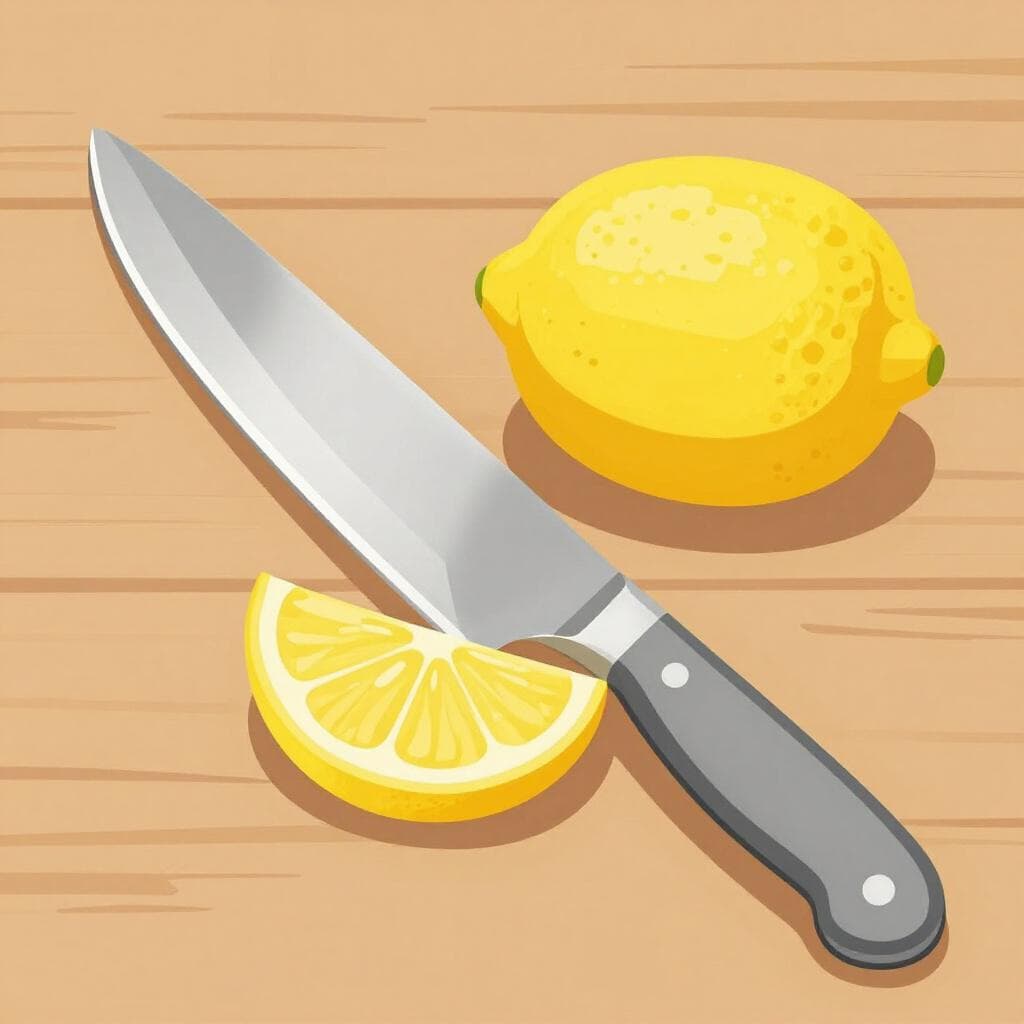
The most common Spanish word for “sharp” is “afilado” — use 'afilado' for the literal sharpness of an object's edge or point, like a knife or a blade, and also for keen senses or wit.











afilado
ah-fee-LAH-dohafiˈlaðo
Examples
Ten mucho cuidado con ese cuchillo; está muy afilado.
Be very careful with that knife; it's very sharp.
El lápiz tiene una punta muy afilada.
The pencil has a very sharp point.
El gato tiene garras afiladas para trepar.
The cat has sharp claws for climbing.
Su ingenio afilado lo hace el alma de la fiesta.
His sharp wit makes him the life of the party.
Matching with Nouns
This word changes its ending to match what it describes. Use 'afilado' for masculine items and 'afilada' for feminine ones.
Describing a Current State
Use this word with 'estar' when you want to say something is sharp right now (like a knife that was just sharpened).
Figurative Placement
When used figuratively, you can place 'afilado' after the noun to sound neutral, or before the noun to emphasize the quality (e.g., 'su afilada crítica').
Using it for 'Smart'
Mistake: “Using 'afilado' to mean 'intelligent' in a general sense.”
Correction: Use 'listo' or 'inteligente' for people; 'afilado' is mostly for physical objects or specific wit.
Sharp sounds
Mistake: “Using 'afilado' for a high-pitched sound.”
Correction: Use 'agudo' for high-pitched sounds or sharp pains.
agudo
ah-GOO-dohaˈɣuðo

Examples
Ten cuidado con el extremo agudo de la valla.
Be careful with the sharp end of the fence.
En la clase de geometría, dibujamos un ángulo agudo.
In geometry class, we drew an acute angle.
La punta del lápiz está muy aguda.
The tip of the pencil is very sharp.
Sintió un dolor agudo en la espalda.
He felt a sharp pain in his back.
Matching the word to the noun
Remember that this word must change its ending to 'aguda' if you are describing something feminine, like 'una punta' (a point).
Where to put the word
In Spanish, you usually place 'agudo' after the thing you are describing, such as 'un objeto agudo'.
Medical Logic
In medicine, 'agudo' describes something that starts suddenly and is intense, the opposite of 'crónico' (long-term).
Agudo vs. Afilado
Mistake: “Using 'agudo' to talk about a knife's cutting edge.”
Correction: Use 'afilado' for a blade's edge and 'agudo' for a needle's point or a sharp corner.
ácido
Examples
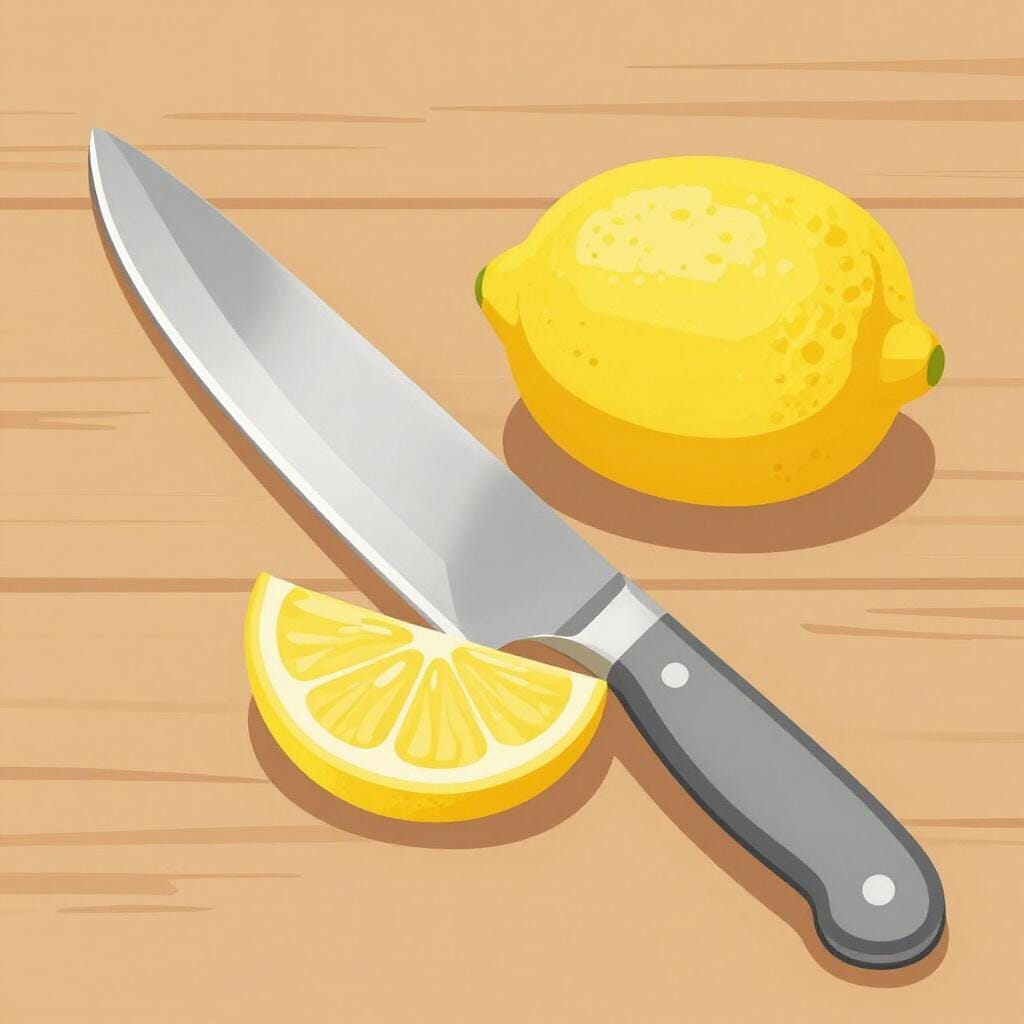
El limón es demasiado ácido para comerlo solo.
The lemon is too sour to eat by itself.
despierto
des-PYEHR-tohdesˈpjeɾto
Examples
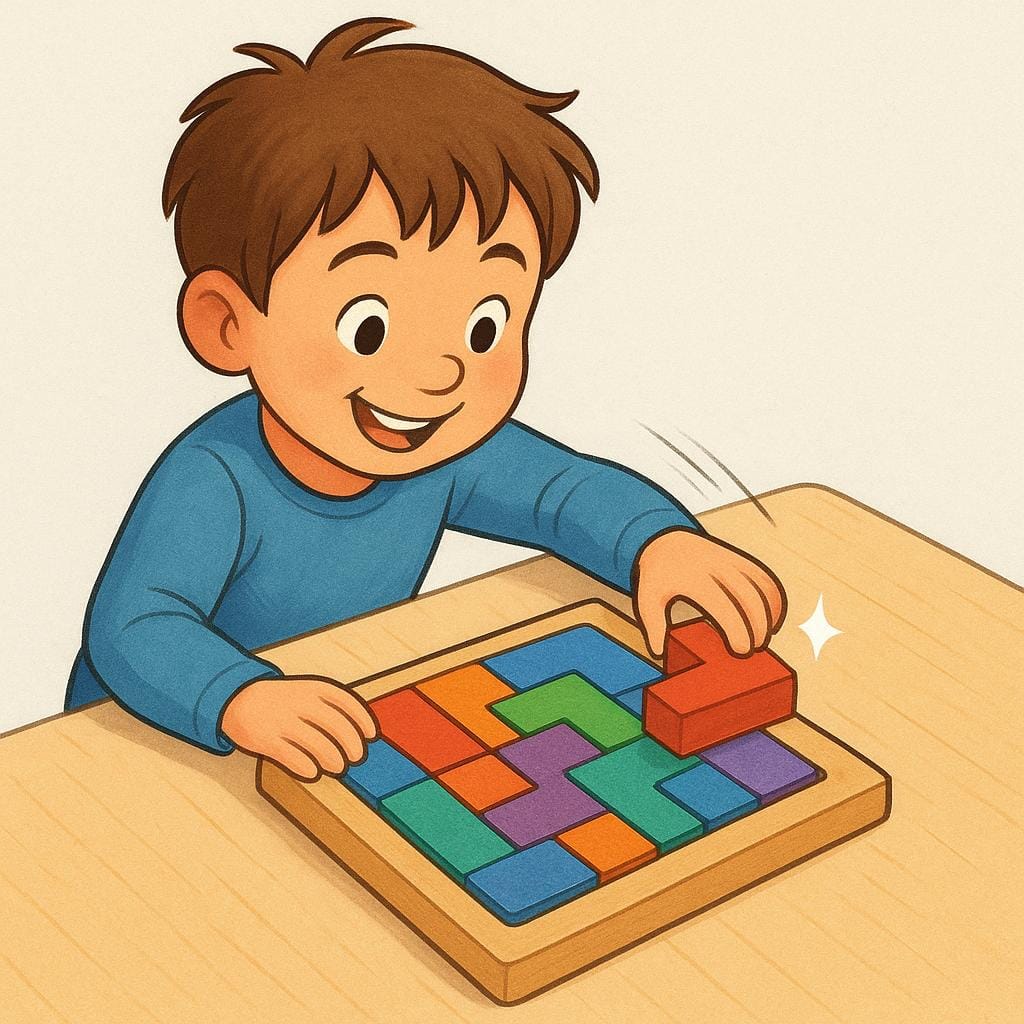
Es un hombre de negocios muy despierto.
He is a very sharp businessman.
La niña es muy despierta y aprende rápido.
The girl is very clever and learns quickly.
Figurative Sense
In this meaning, 'despierto' describes a lasting quality, so it often pairs with 'ser' (to be permanent) to talk about someone's character: 'Es despierto' (He is clever).
vivo
bee-boh'bibo
Examples
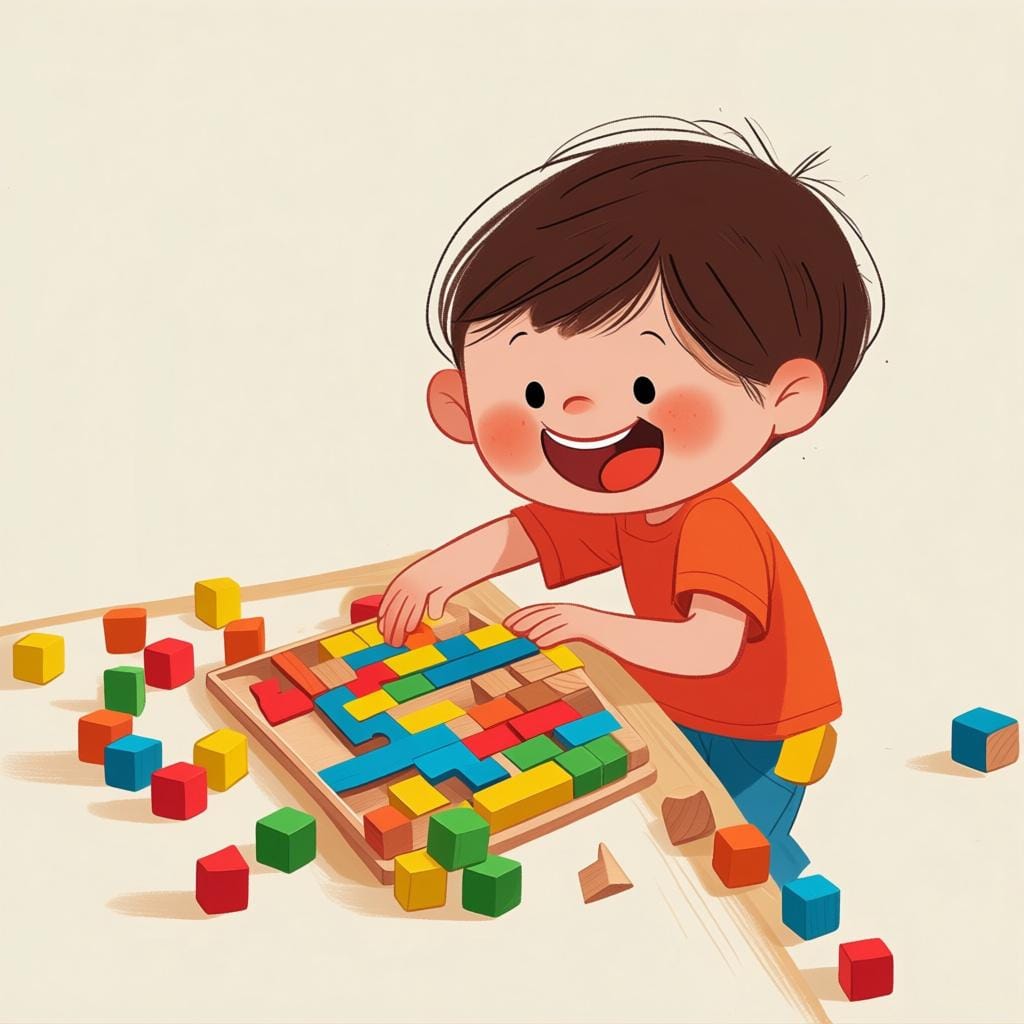
Es una niña muy viva, siempre está haciendo preguntas.
She's a very sharp/lively girl, she's always asking questions.
Tienes que ser muy vivo para tener éxito en este negocio.
You have to be very clever to succeed in this business.
Use with 'Ser'
When describing personality traits like being sharp or clever, you use the verb 'ser' (e.g., 'Ella es muy viva'). This is because you're talking about a more permanent characteristic.
brusco
BROOS-kohˈbrusko
Examples
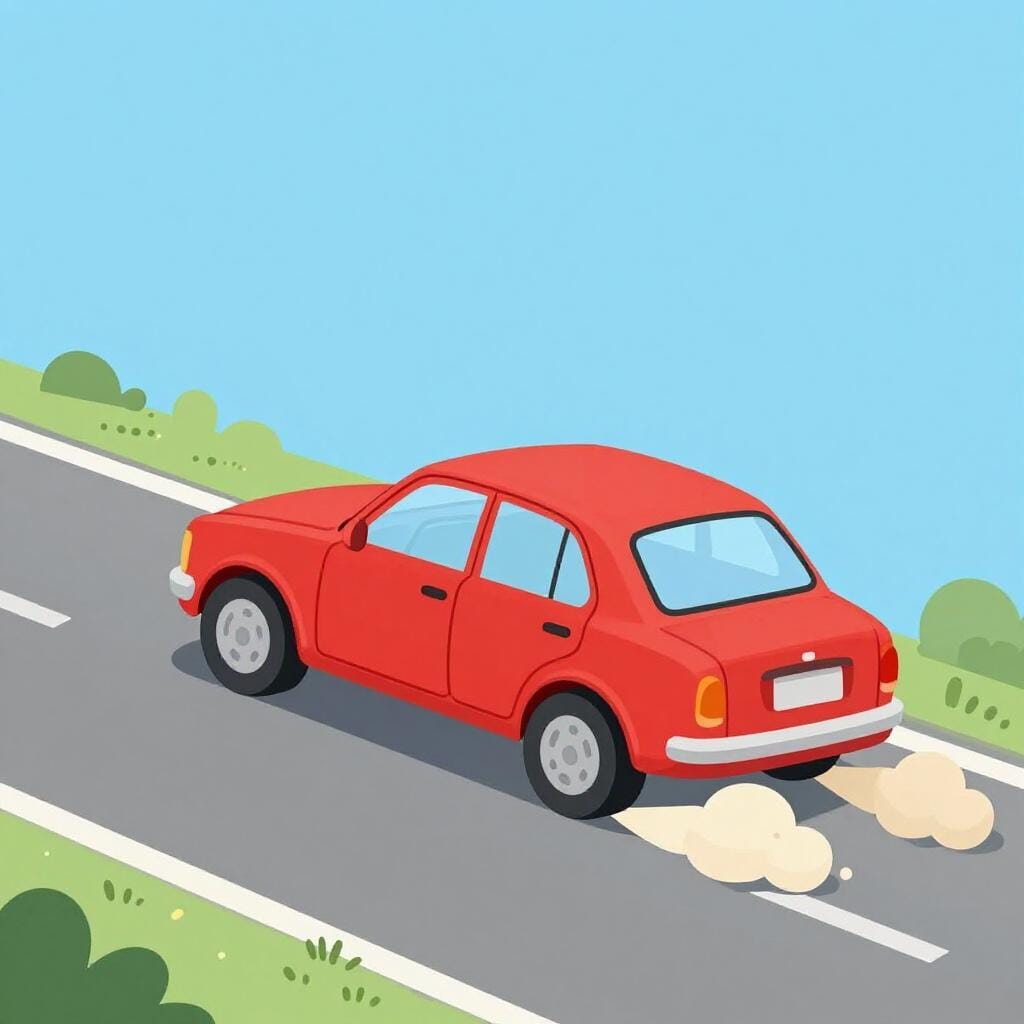
El conductor hizo un giro brusco para evitar el bache.
The driver made a sudden turn to avoid the pothole.
Hubo un cambio brusco en el clima esta tarde.
There was an abrupt change in the weather this afternoon.
No hagas movimientos bruscos si te duele la espalda.
Don't make any sudden movements if your back hurts.
Matching the Noun
Since this is a describing word, it must match the gender of the thing it describes. Use 'brusco' for masculine words (un giro brusco) and 'brusca' for feminine words (una caída brusca).
Word Order
In Spanish, putting 'brusco' after the noun makes it sound more objective and factual. 'Un cambio brusco' emphasizes the suddenness of the change.
Sudden vs. Fast
Mistake: “Using 'brusco' when you just mean 'fast'.”
Correction: Use 'rápido' for speed. Use 'brusco' for something that happens without warning or with a lack of smoothness.
ingenioso
een-hen-YOH-sohĩnxeˈnjoso

Examples
Su discurso fue muy ingenioso y todos se rieron.
His speech was very witty and everyone laughed.
Es un niño ingenioso que siempre tiene una respuesta para todo.
He is a clever boy who always has an answer for everything.
Gender Agreement
Remember that this word must match the person or thing you are describing. Use 'ingenioso' for masculine words and 'ingeniosa' for feminine words.
Ingenioso vs. Genial
Mistake: “Using 'ingenioso' to mean 'great' or 'awesome'.”
Correction: Use 'genial' for 'great'. Use 'ingenioso' specifically for someone who is 'clever' or 'funny' in a smart way.
pronunciado
pro-noon-SYAH-dohpɾonunˈθjaðo

Examples
Tiene un acento extranjero muy pronunciado.
He has a very noticeable foreign accent.
Hay un descenso pronunciado al final de la calle.
There is a steep descent at the end of the street.
El paciente mostró un alivio pronunciado después del tratamiento.
The patient showed a significant relief after the treatment.
Matching the Noun
Since this is an adjective, it must match the person or thing it describes. Use 'pronunciado' for masculine nouns and 'pronunciada' for feminine nouns.
Don't use it for volume
Mistake: “Su voz es muy pronunciada.”
Correction: Su voz es muy fuerte.
acusado
ah-koo-SAH-dohakuˈsaðo

Examples
Tenía un acento muy acusado, típico de su región.
He had a very pronounced accent, typical of his region.
La paciente presentaba un dolor acusado en el pecho.
The patient presented a marked pain in the chest.
La persona acusada fue liberada por falta de pruebas.
The accused person was released due to lack of evidence.
Agreement is Key
As an adjective, 'acusado' must agree in gender and number with the noun it describes: 'rasgos acusados' (masculine plural features), 'diferencia acusada' (feminine singular difference).
fina
fee-nahˈfina

Examples
Tienes una puntería muy fina con el arco.
You have a very sharp aim with the bow.
Su audición es tan fina que oye hasta el más mínimo ruido.
Her hearing is so keen that she hears even the smallest noise.
sostenido
sos-te-NEE-dohsos.teˈni.ðo

Examples
Esta canción está en Fa sostenido.
This song is in F sharp.
El símbolo del sostenido parece una almohadilla.
The sharp symbol looks like a hashtag.
Naming Musical Notes
In Spanish, the 'sharp' comes after the note name. For example, 'C sharp' becomes 'Do sostenido'.
feroz
feh-ROHSfeˈɾos

Examples
Hay una competencia feroz entre las dos empresas.
There is fierce competition between the two companies.
Sentí un dolor feroz en la espalda.
I felt an intense pain in my back.
sutil
soo-TEELsuˈtil

Examples
Es un observador sutil de la realidad política.
He is a keen observer of political reality.
Su análisis sutil reveló problemas que nadie más vio.
His sharp analysis revealed problems that no one else saw.
Plural Form
To talk about more than one thing, add -es to the end: 'sutiles'.
ágil
Examples
El gato es muy ágil y saltó a la mesa sin esfuerzo.
The cat is very nimble and jumped onto the table effortlessly.
lista
lees-tah'lista

Examples
La comida está lista. ¡A comer!
The food is ready. Let's eat!
¿Estás lista para el examen de mañana?
Are you ready for tomorrow's exam?
Mi abuela es muy lista, siempre me da buenos consejos.
My grandmother is very clever, she always gives me good advice.
Key Difference: 'Ser lista' vs. 'Estar lista'
This is a super important difference! Use 'estar' for a temporary state (ready) and 'ser' for a personality trait (clever). 'Ella está lista' = She is ready. 'Ella es lista' = She is clever.
Matching the Noun
As an adjective, 'lista' describes feminine things or people. For masculine ones, you change the ending to -o: 'listo'. For example, 'Mi hermano está listo' (My brother is ready).
Mixing up 'Ser' and 'Estar'
Mistake: “If you say 'Soy lista para salir,' it sounds like 'I am a clever person in order to go out.'”
Correction: Say 'Estoy lista para salir' (I am ready to go out). Remember: 'estar' for the temporary state of being ready.
picante
pee-KAHN-tehpiˈkante

Examples
El comediante contó un chiste muy picante sobre política.
The comedian told a very racy joke about politics.
Su comentario fue un poco picante y ofendió a algunos invitados.
His comment was a little sharp/suggestive and offended some guests.
Figurative Meaning
Think of this meaning as describing something that 'stings' or 'spices up' a conversation, making it thrilling or slightly inappropriate.
Intelligence vs. Physical Sharpness
Learn Spanish with Inklingo
Interactive stories, personalized learning, and more.