agresión
“agresión” means “aggression” in Spanish. It has 2 different meanings depending on context:

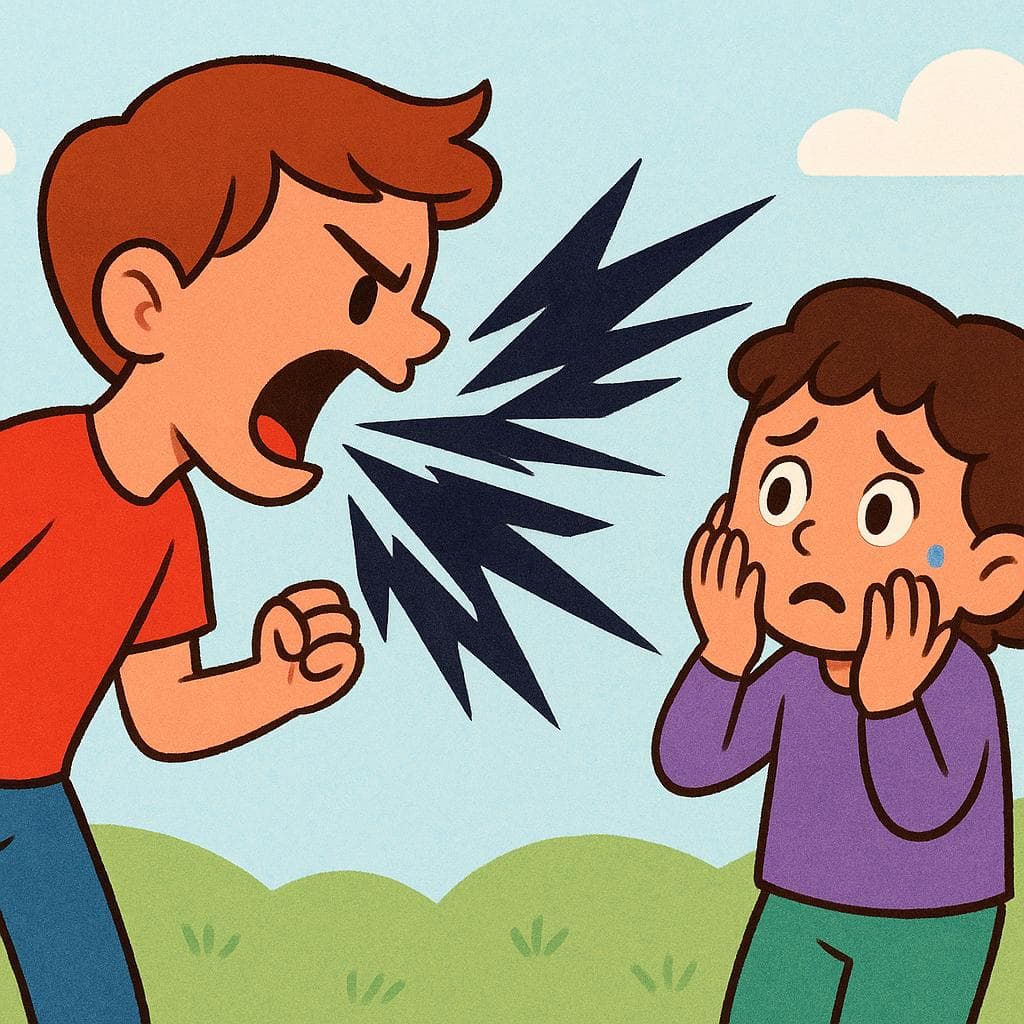
aggression, attack
Also: assault
📝 In Action
La policía investiga la agresión que ocurrió anoche.
B1The police are investigating the assault that occurred last night.
Consideramos la invasión como un acto de agresión internacional.
B2We consider the invasion an act of international aggression.
verbal abuse, hostility
Also: bullying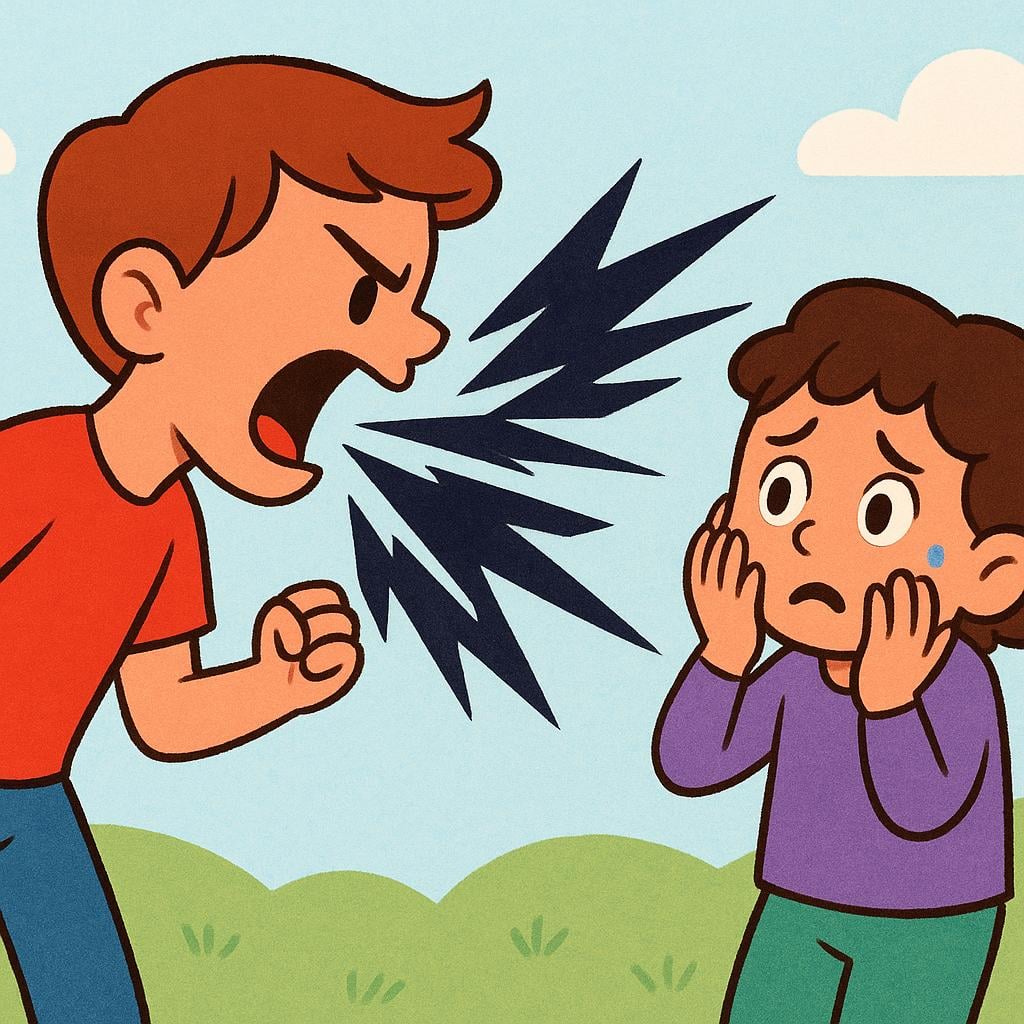
📝 In Action
El trabajador denunció una agresión verbal por parte de su jefe.
B2The worker reported verbal abuse from his boss.
La agresión pasiva puede ser tan dañina como la física.
C1Passive aggression can be as harmful as physical aggression.
Translate to Spanish
Words that translate to "agresión" in Spanish:
verbal abuse→✏️ Quick Practice
Quick Quiz: agresión
Question 1 of 1
Which sentence uses 'agresión' in its physical or military sense?
📚 More Resources
👥 Word Family▼
🎵 Rhymes▼
📚 Etymology▼
Comes directly from the Latin word *aggressio*, which meant 'a going toward' or 'an attack.' It shares its root with the verb *agredi* ('to approach, attack').
First recorded: 15th century (in Spanish)
Cognates (Related words)
💡 Master Spanish
Take your Spanish to the next level. Read 200+ illustrated and narrated Spanish stories tailored to your level with the Inklingo app!
Frequently Asked Questions
Is 'agresión' the same as 'ataque'?
They are very similar synonyms, both meaning 'attack.' However, 'agresión' often carries a stronger connotation of unprovoked hostility or is used more formally to describe violent conflict (like 'acts of aggression' between nations). 'Ataque' can be used more broadly for any sudden strike or start of a conflict.