aspirar
“aspirar” means “to breathe in” in Spanish. It has 3 different meanings depending on context:


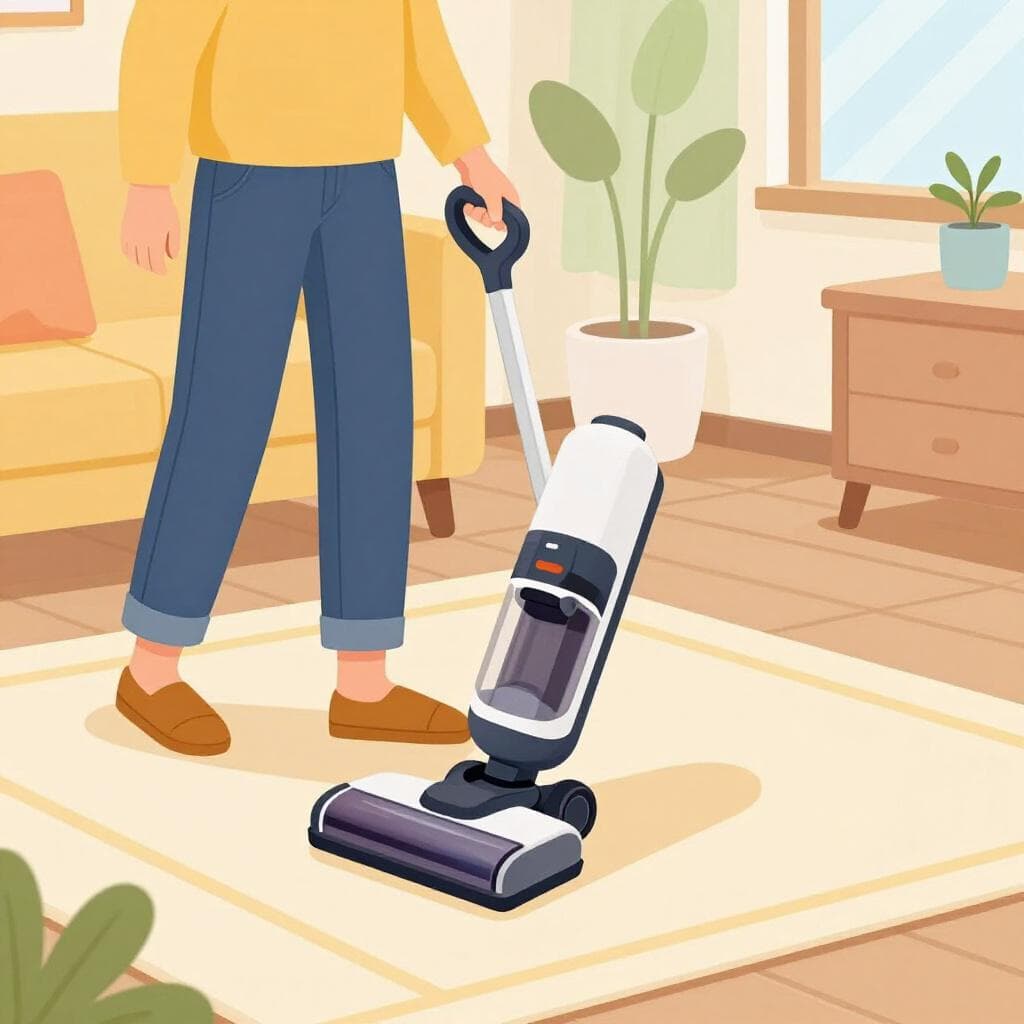
to breathe in, to inhale
Also: to sniff
📝 In Action
Aspira profundamente por la nariz.
A2Breathe in deeply through your nose.
Me gusta aspirar el aroma del café por la mañana.
B1I like to inhale the aroma of coffee in the morning.
El médico me pidió que aspirara con fuerza.
B2The doctor asked me to inhale with force.
to aspire to, to aim for

📝 In Action
Ella aspira a ser una gran científica.
B1She aspires to be a great scientist.
Muchos jóvenes aspiran a un trabajo mejor.
B1Many young people aim for a better job.
No puedes aspirar al éxito sin trabajar duro.
B2You cannot aspire to success without working hard.
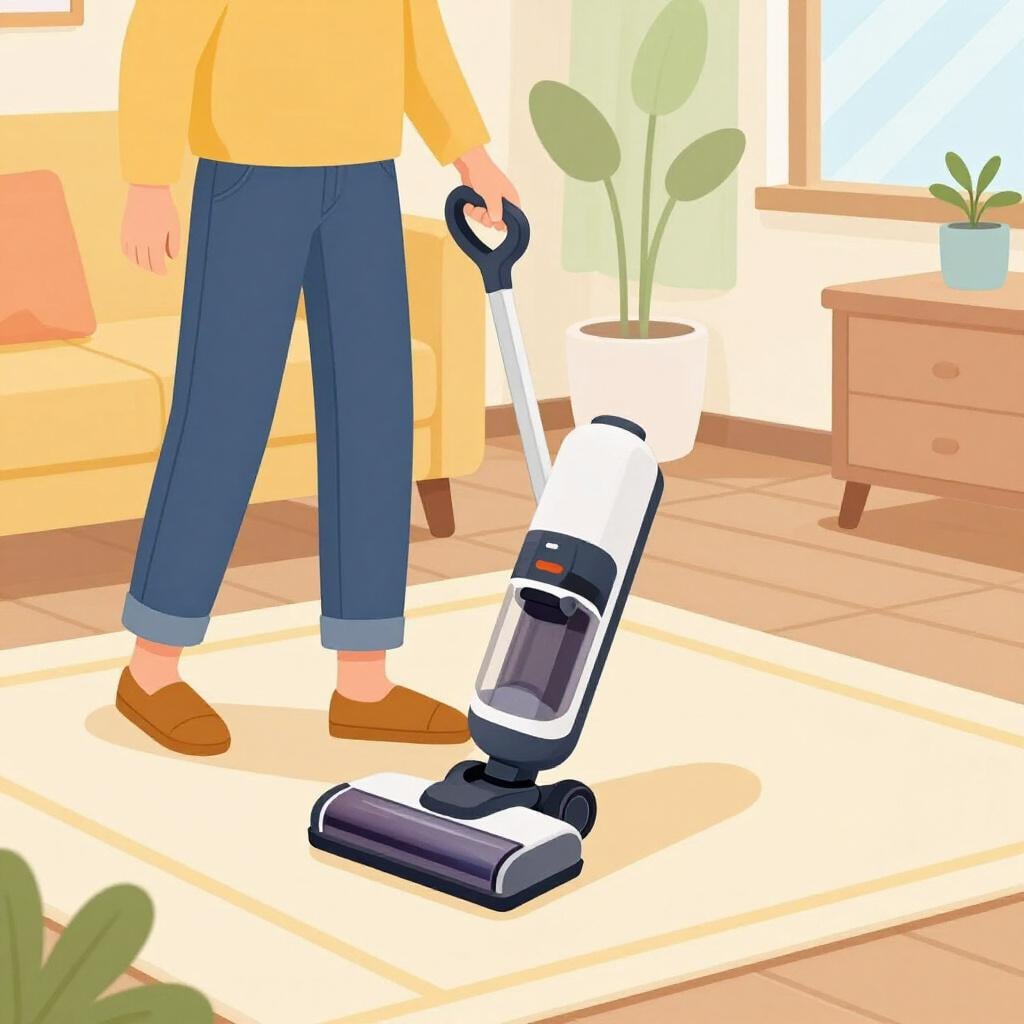
to vacuum
📝 In Action
Tengo que aspirar la alfombra de la sala.
A2I have to vacuum the living room rug.
Ayer aspiré todo el coche por dentro.
B1Yesterday I vacuumed the whole inside of the car.
Subjunctive
Imperfect Subjunctive
Present Subjunctive
Indicative
Preterite
Imperfect
Present
Translate to Spanish
✏️ Quick Practice
Quick Quiz: aspirar
Question 1 of 3
Which sentence is correct if you want to say 'I aim to be the boss'?
📚 More Resources
👥 Word Family▼
📚 Etymology▼
From the Latin word 'aspirare', which combined 'ad' (towards) and 'spirare' (to breathe).
First recorded: 13th century
Cognates (Related words)
💡 Master Spanish
Take your Spanish to the next level. Read 200+ illustrated and narrated Spanish stories tailored to your level with the Inklingo app!
Frequently Asked Questions
Is 'aspirar' regular or irregular?
It is a completely regular -ar verb. It follows the standard pattern for all its forms.
What is the difference between 'aspirar' and 'inhalar'?
'Inhalar' is more medical or technical, whereas 'aspirar' is used in everyday life, for goals, and for cleaning.
Does 'aspirar' always need the letter 'a' after it?
Only when it means 'to aim for' or 'to aspire to'. If you are breathing something in or vacuuming, you don't need the 'a'.