atrás
“atrás” means “back” in Spanish. It has 3 different meanings depending on context:
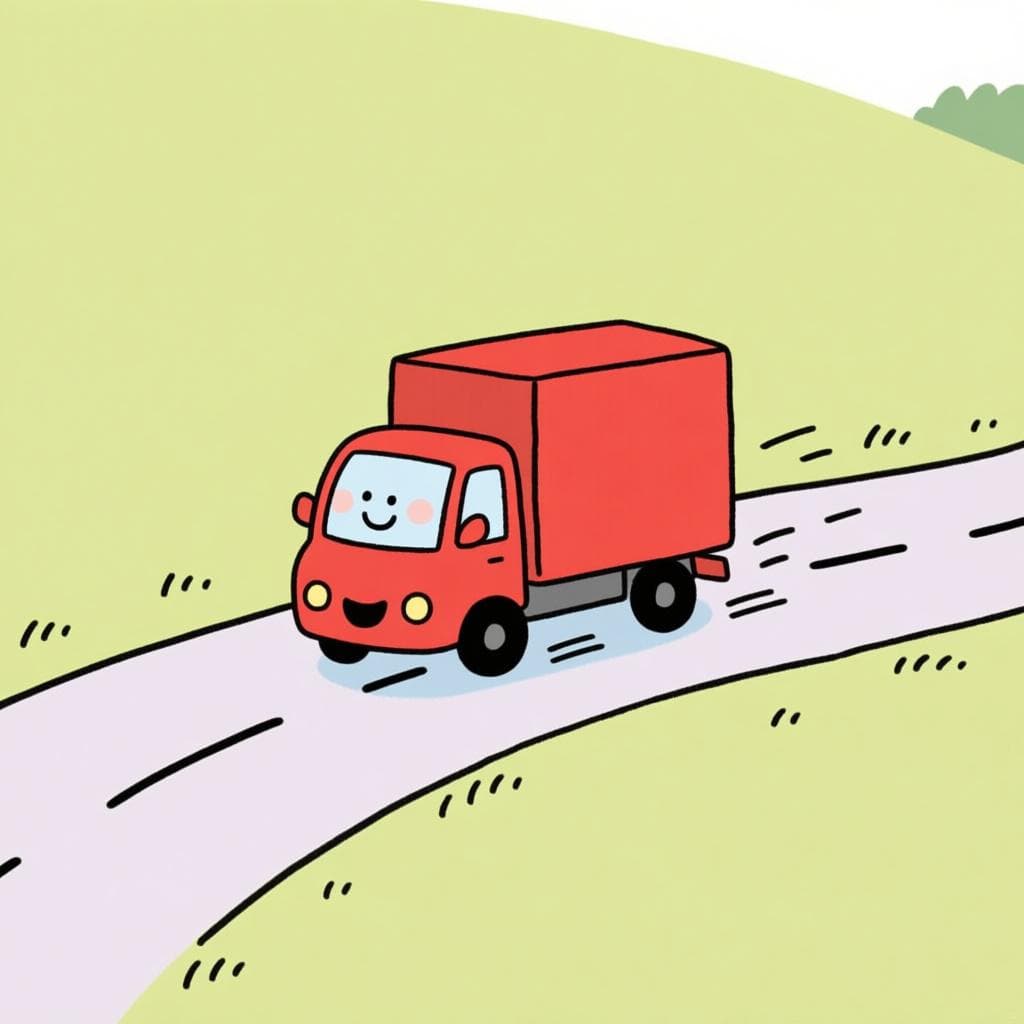

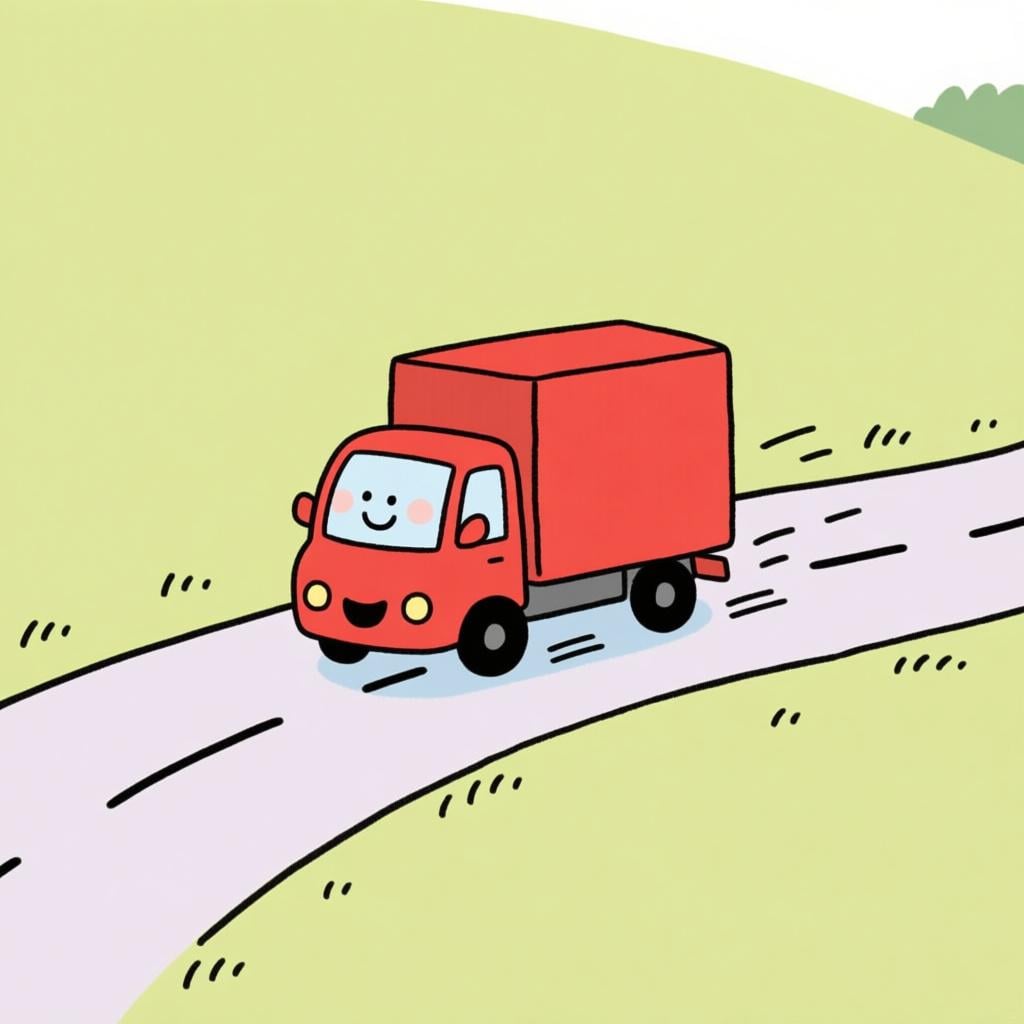
back, behindAlso: backwards
📝 In Action
El baño está atrás, a la derecha.
A1The bathroom is in the back, to the right.
No mires atrás, sigue adelante.
A2Don't look back, keep going forward.
Por favor, da un paso hacia atrás.
A2Please, take a step backwards.
Se sentó en el asiento de atrás del coche.
B1He sat in the back seat of the car.
Word Connections
agoAlso: back

📝 In Action
Nos conocimos tres años atrás.
A2We met three years ago.
Tiempo atrás, no existían los teléfonos inteligentes.
B1A while back, smartphones didn't exist.
Dejó su país muchos años atrás.
B2He left his country many years ago.
Word Connections
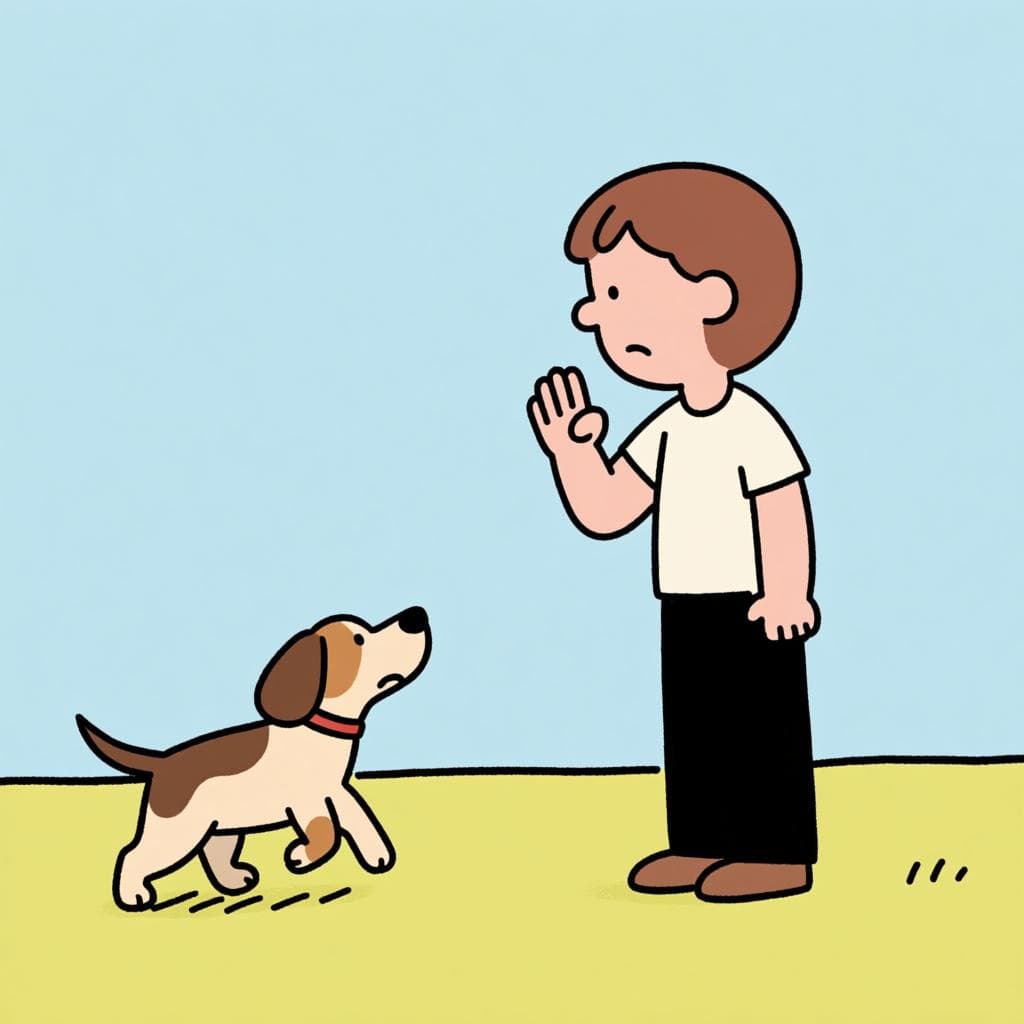
Back!Also: Get back!

📝 In Action
¡Atrás! El perro es agresivo.
B1Back! The dog is aggressive.
El policía gritó a la multitud: "¡Atrás, por favor!"
B2The police officer shouted to the crowd: "Back, please!"
🔀 Commonly Confused With
Translate to Spanish
Words that translate to "atrás" in Spanish:
✏️ Quick Practice
Quick Quiz: atrás
Question 1 of 2
Which sentence correctly says 'The garden is behind the house'?
📚 More Resources
👥 Word Family
🎵 Rhymes
📚 Etymology
Comes from two Latin words put together: 'ad' (meaning 'to' or 'toward') and 'trans' (meaning 'behind'). So, it literally means 'toward the back'!
First recorded: Around the 13th century.
Cognates (Related words)
💡 Master Spanish
Take your Spanish to the next level. Read 200+ illustrated and narrated Spanish stories tailored to your level with the Inklingo app!
Frequently Asked Questions
What's the main difference between 'atrás' and 'detrás'?
The easiest trick is to remember that 'detrás' usually needs a partner: 'detrás de...' (behind the...). For example, 'El gato está detrás del sofá' (The cat is behind the sofa). 'Atrás' is more general and can be used alone. It means 'in the back', 'backwards', or 'in the past', like 'Siéntate atrás' (Sit in the back).
Can I always use 'atrás' to mean 'ago'?
Yes, it's grammatically correct, like in 'un año atrás' (one year ago). However, it's much more common for native speakers to use 'hace' in daily conversation ('hace un año'). Using 'atrás' for time often sounds a bit more formal or like you're telling a story.