bajando
“bajando” means “going down” in Spanish. It has 3 different meanings depending on context:

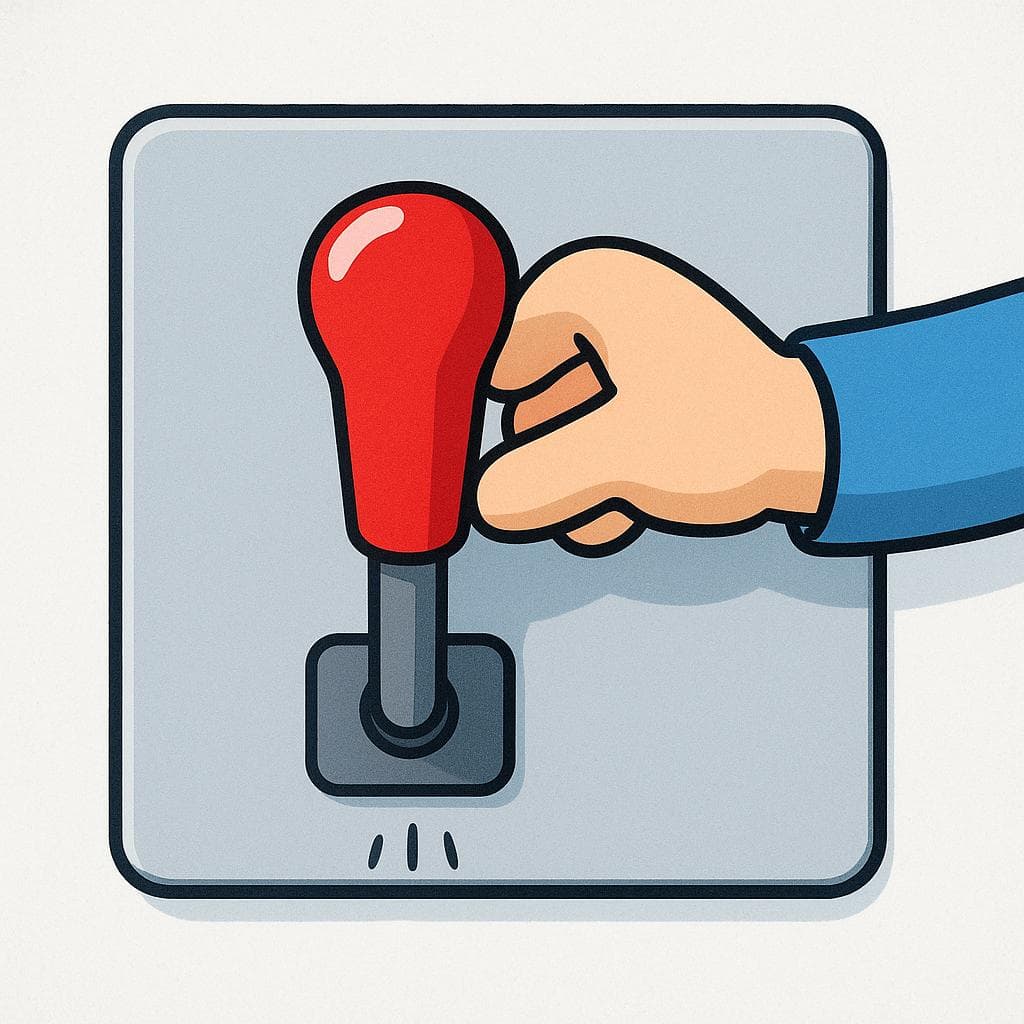

going down, coming down
Also: getting off
📝 In Action
Estamos bajando la montaña ahora mismo.
A1We are going down the mountain right now.
Ella estaba bajando del autobús cuando la llamé.
A2She was getting off the bus when I called her.
lowering, reducing
Also: turning down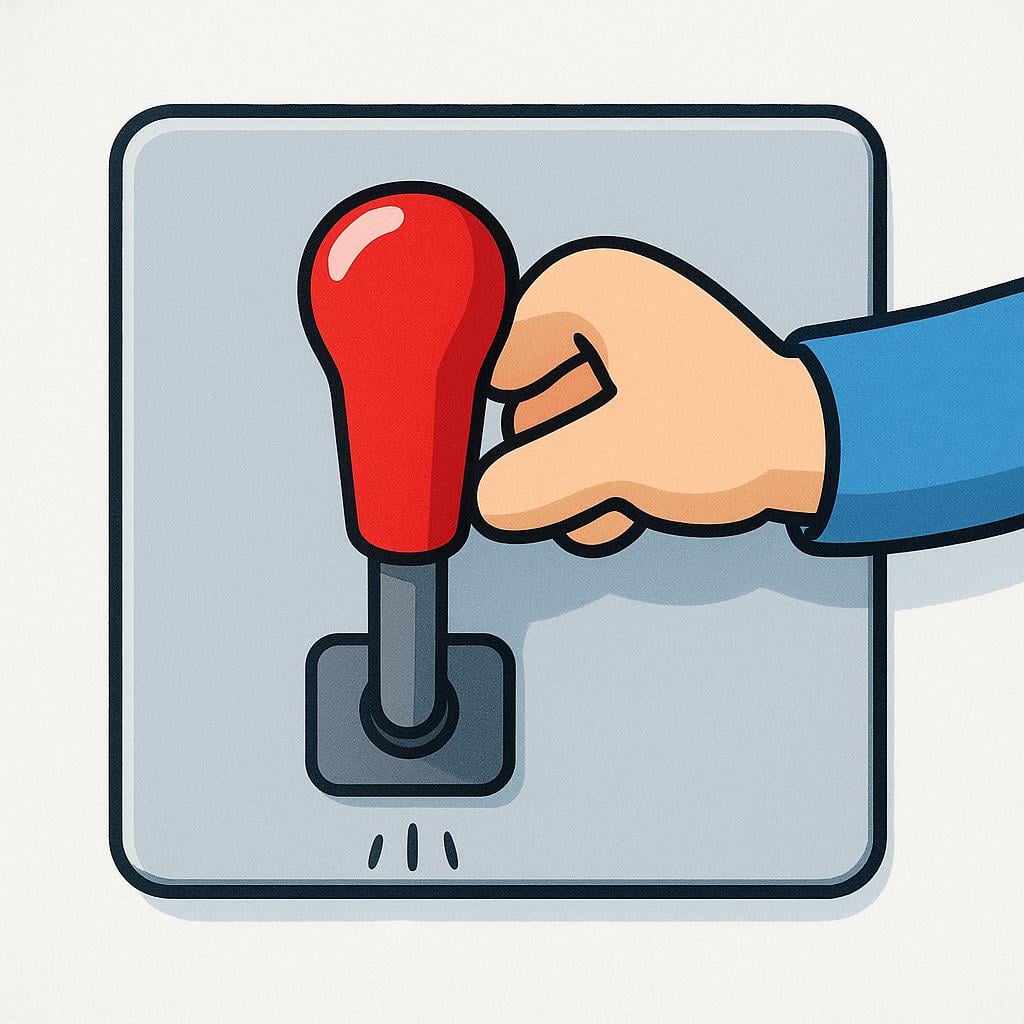
📝 In Action
¿Puedes bajar el volumen? ¡Está muy alto!
A2Can you turn down the volume? It's very loud!
La tienda está bajando los precios para la venta de verano.
B1The store is reducing the prices for the summer sale.
downloading
Also: pulling down
📝 In Action
Mi computadora lleva una hora bajando el archivo.
B1My computer has been downloading the file for an hour.
Están bajando la última versión del sistema operativo.
B1They are downloading the latest version of the operating system.
Indicative
Present
Imperfect
Preterite
Subjunctive
Present Subjunctive
Imperfect Subjunctive
Translate to Spanish
Words that translate to "bajando" in Spanish:
coming down→downloading→getting off→going down→lowering→pulling down→reducing→turning down→✏️ Quick Practice
Quick Quiz: bajando
Question 1 of 2
Which sentence correctly uses 'bajando' in the sense of reducing volume?
📚 More Resources
👥 Word Family▼
📚 Etymology▼
The verb 'bajar' comes from the Vulgar Latin *bassiare*, which itself derived from the Latin adjective *bassus* meaning 'low' or 'short.' The gerund 'bajando' simply adds the -ando ending to describe the action in progress.
First recorded: Around the 13th century (for the base verb *bajar*)
Cognates (Related words)
💡 Master Spanish
Take your Spanish to the next level. Read 200+ illustrated and narrated Spanish stories tailored to your level with the Inklingo app!
Frequently Asked Questions
How do I know if 'bajando' means 'downloading' or 'going down'?
Context is key! If you are talking about technology, files, or the internet, it almost certainly means 'downloading.' If you are talking about stairs, mountains, or vehicles, it means 'going down.'
Is 'bajando' used alone, or does it always need 'estar'?
'Bajando' is the gerund form, so it usually pairs with the verb 'estar' to form continuous tenses (like 'is doing'). However, it can also act as an adverb, describing how an action is done: 'Llegó corriendo y bajando' (He arrived running and descending).