barbie
“barbie” means “Barbie doll” in Spanish. It has 2 different meanings depending on context:
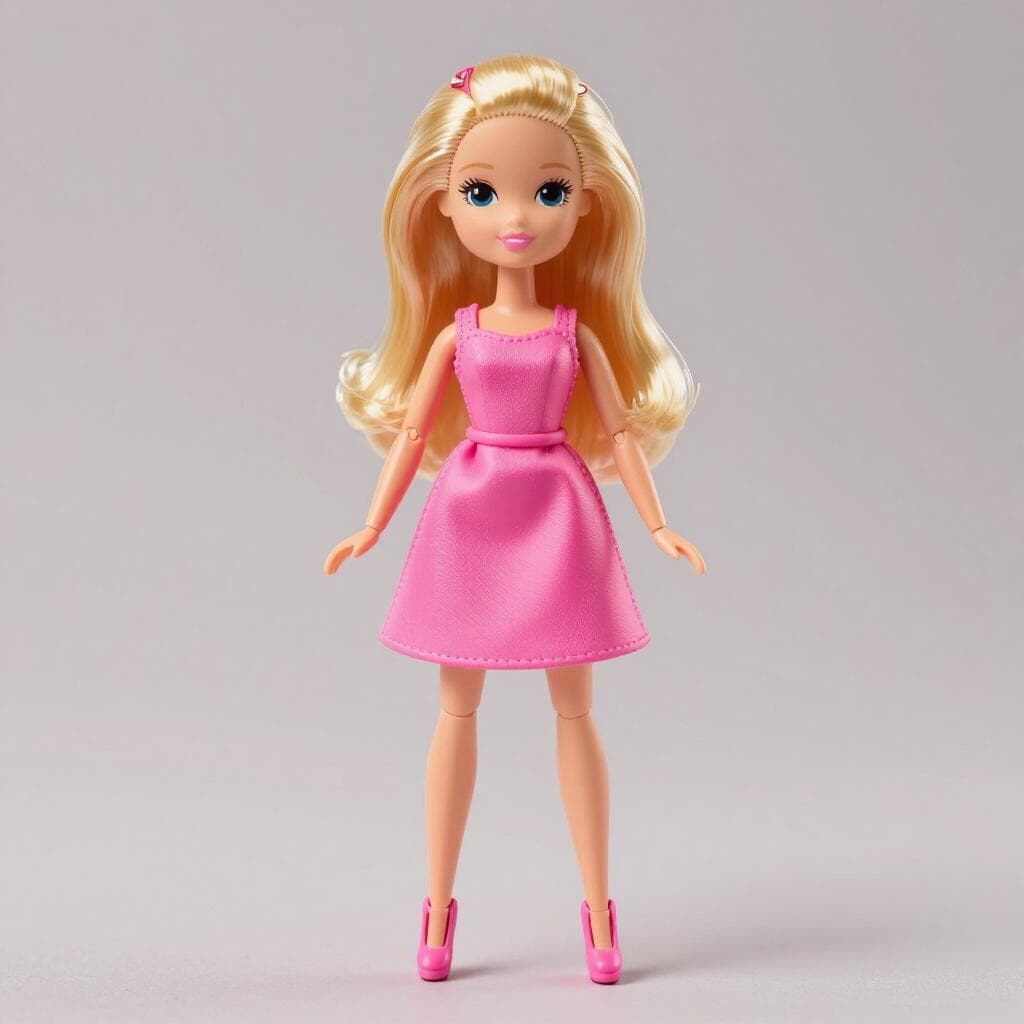
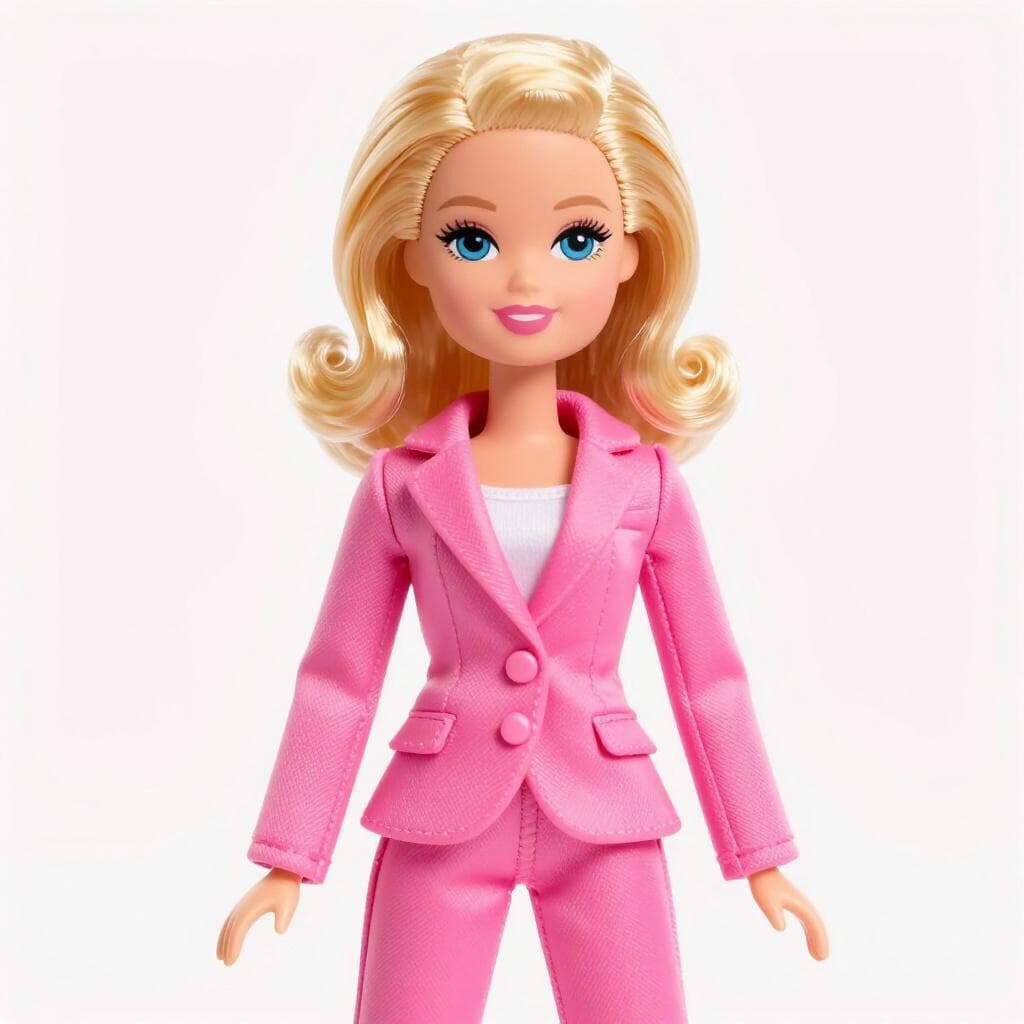
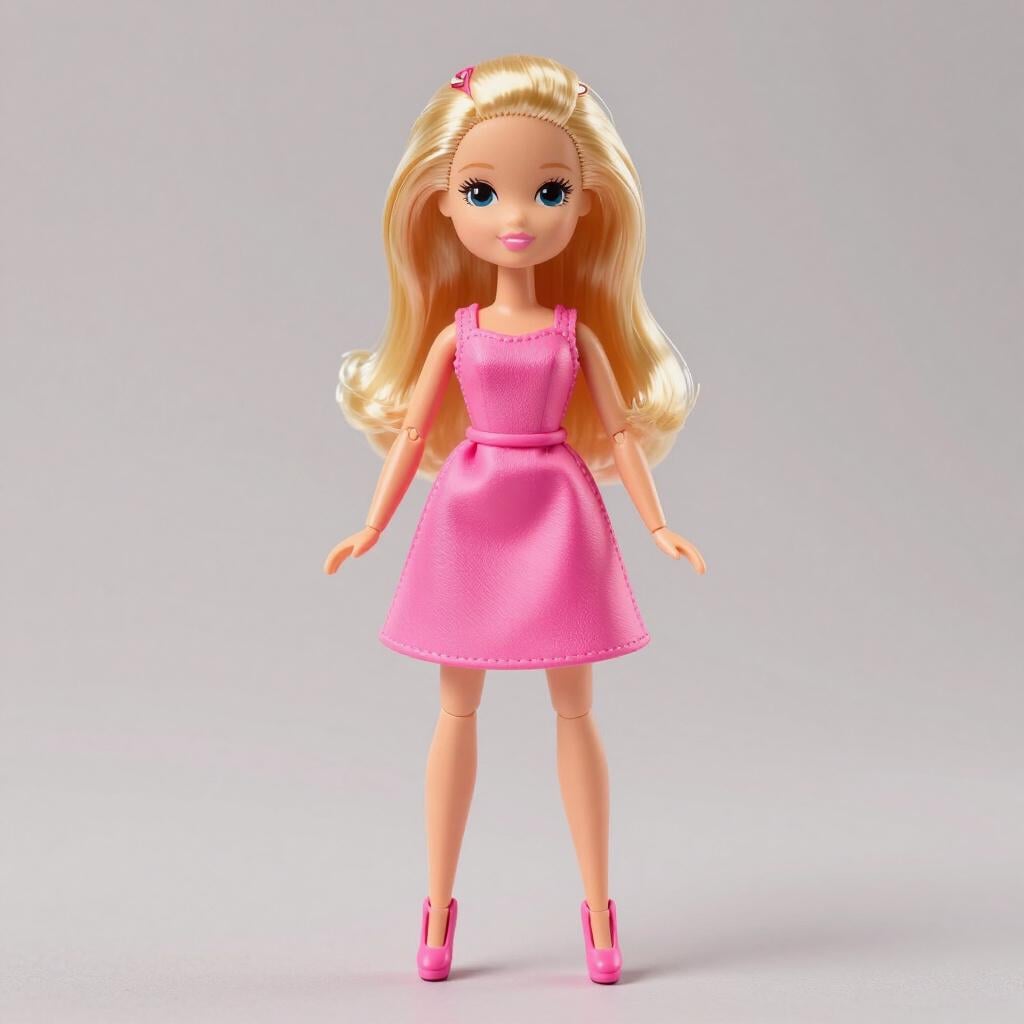
Barbie dollAlso: doll
📝 In Action
Mi sobrina siempre juega con su barbie favorita.
A1My niece always plays with her favorite Barbie.
¿Viste la nueva casa de la barbie en la tienda?
A2Did you see the new Barbie house in the store?
Tengo una colección de barbies de los años noventa.
B1I have a collection of Barbies from the nineties.
Word Connections
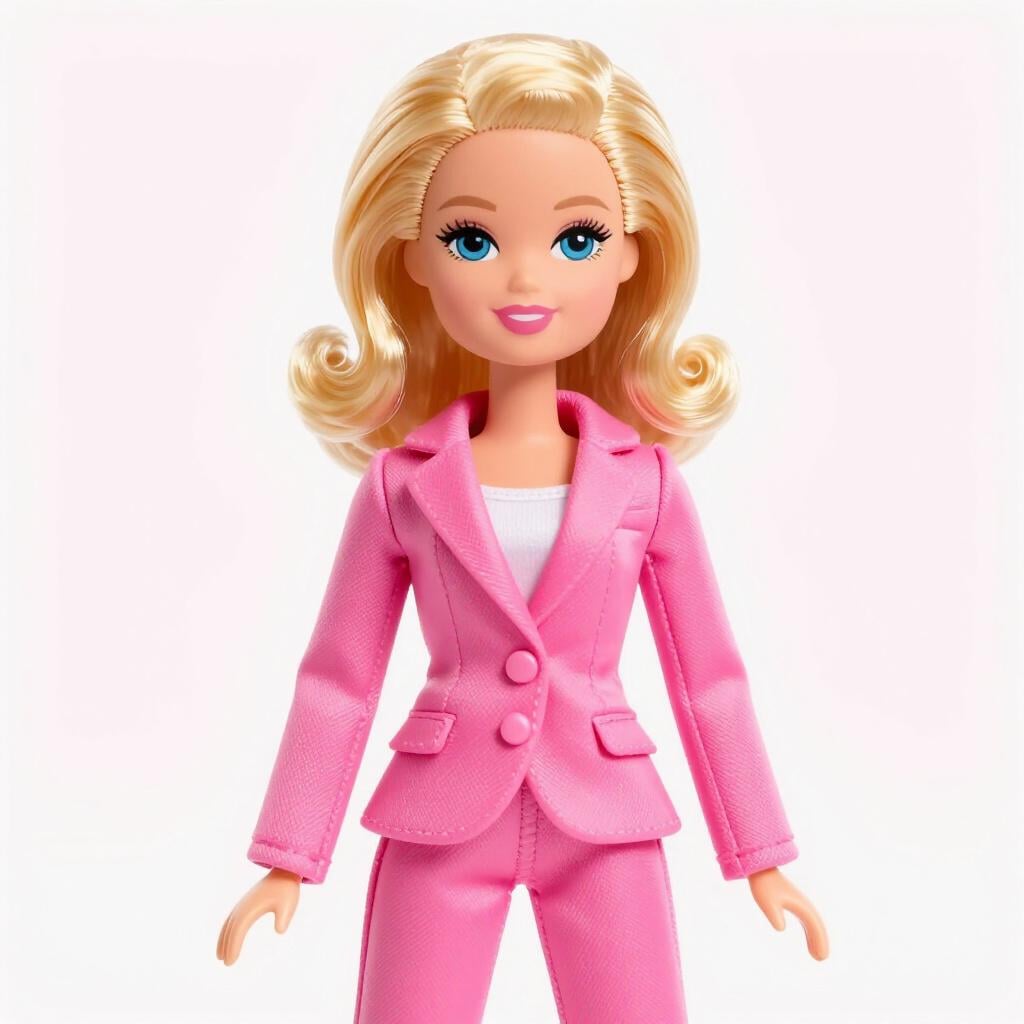
a BarbieAlso: superficial person
📝 In Action
Ella es una barbie, siempre está perfectamente peinada.
B1She is a Barbie; her hair is always perfectly done.
No seas tan barbie y ayuda con la limpieza.
B2Don't be such a Barbie and help with the cleaning.
Ese grupo de chicas parecen barbies de lo arregladas que van.
C1That group of girls look like Barbies because they are so dressed up.
Word Connections
Translate to Spanish
Words that translate to "barbie" in Spanish:
✏️ Quick Practice
Quick Quiz: barbie
Question 1 of 3
¿Cuál es el artículo correcto para 'barbie' cuando nos referimos a la muñeca?
📚 More Resources
👥 Word Family
📚 Etymology
Named after Barbara Handler, the daughter of Mattel co-founder Ruth Handler, who created the doll in 1959.
First recorded: 1959 (English), adopted into Spanish shortly after.
Cognates (Related words)
💡 Master Spanish
Take your Spanish to the next level. Read 200+ illustrated and narrated Spanish stories tailored to your level with the Inklingo app!
Frequently Asked Questions
Does 'barbie' have a masculine version?
No. In Spanish, to refer to the male equivalent, people use the name 'Ken'.
Is 'barbie' a common word in Spain and Latin America?
Yes, it is recognized and used in every Spanish-speaking country due to the brand's global presence.
Should I capitalize 'barbie'?
Capitalize it (Barbie) when referring to the official brand or product line. Use lowercase (barbie) when using it as a general description for a person.