How to Say "doll" in Spanish
The most common Spanish word for “doll” is “muñeco” — use 'muñeco' for a general toy figure that is shaped like a person, regardless of its specific features or brand.
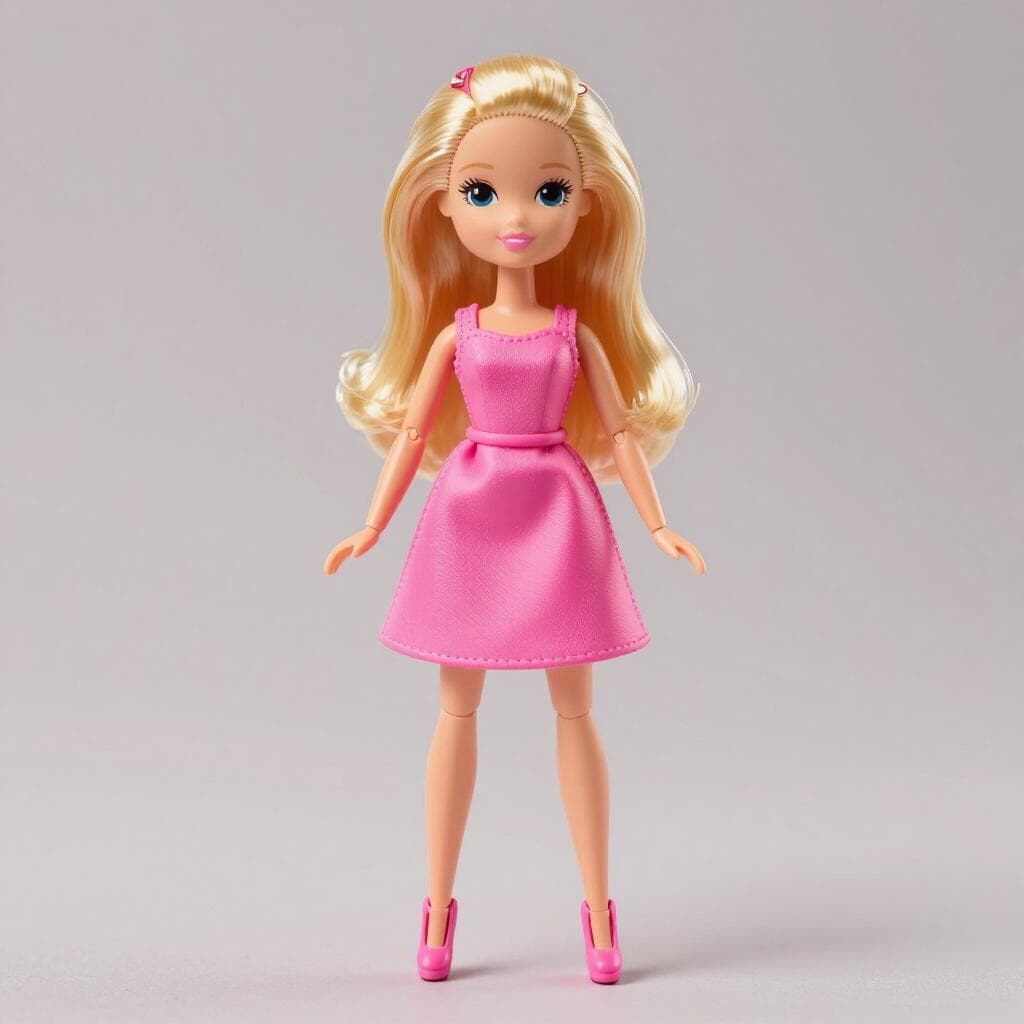
muñeco
Examples
El niño perdió su muñeco favorito en el parque.
The boy lost his favorite doll/toy figure in the park.
barbie
bar-beeˈbaɾβi

Examples
Mi sobrina siempre juega con su barbie favorita.
My niece always plays with her favorite Barbie.
¿Viste la nueva casa de la barbie en la tienda?
Did you see the new Barbie house in the store?
Tengo una colección de barbies de los años noventa.
I have a collection of Barbies from the nineties.
Gender and the Doll
In Spanish, 'barbie' is almost always feminine (la barbie) because it refers to a 'muñeca' (doll), which is a feminine word.
Making it Plural
To talk about more than one, simply add an 's' to the end: 'las barbies'. This follows the normal rule for words ending in a vowel.
The 'E' Trap
Mistake: “La barbi”
Correction: La barbie (always keep the 'e' at the end, even if you don't hear it clearly in some accents).
General vs. Specific Dolls
Related Translations
Learn Spanish with Inklingo
Interactive stories, personalized learning, and more.