How to Say "stuffed animal" in Spanish
The most common Spanish word for “stuffed animal” is “peluche” — use 'peluche' for any soft toy filled with fluffy material, like a teddy bear or a plush animal. This is the most common and general term.
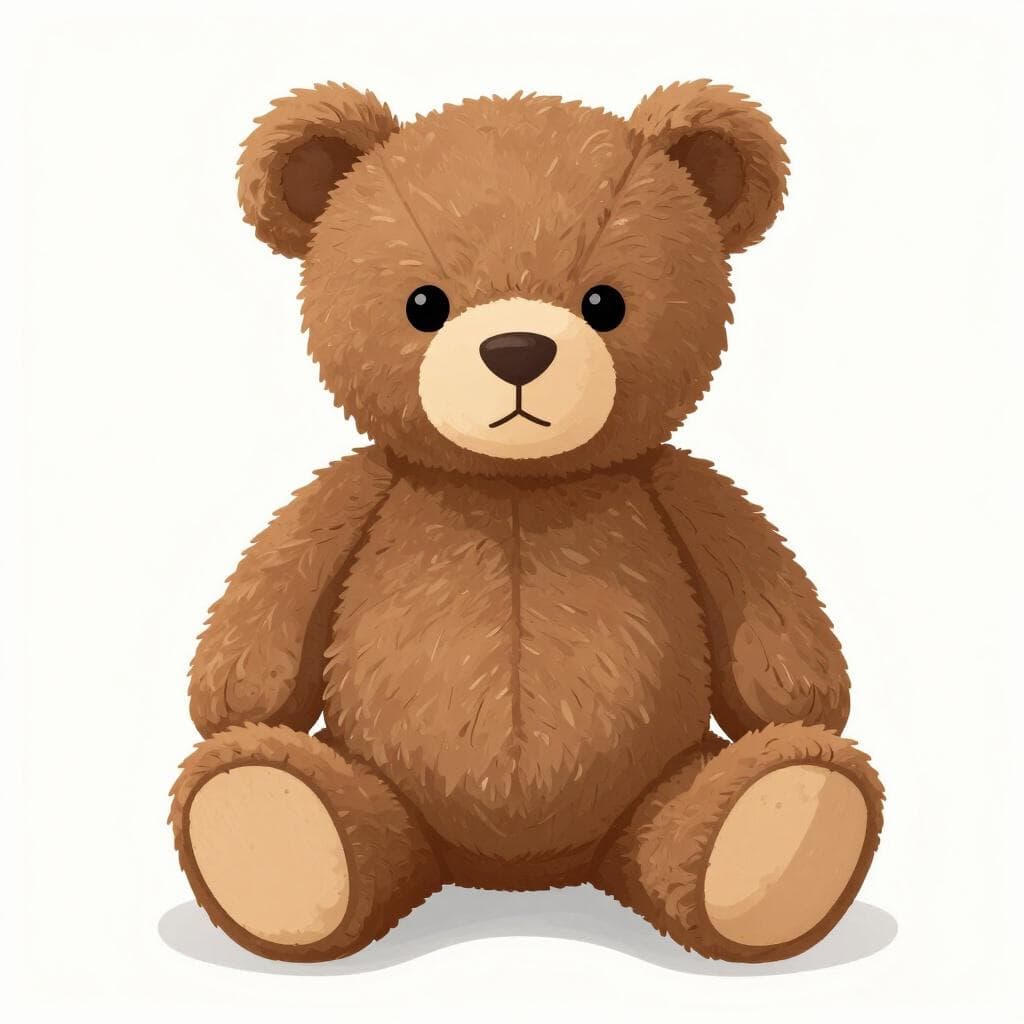
Use 'peluche' for any soft toy filled with fluffy material, like a teddy bear or a plush animal. This is the most common and general term.
Learn more →Use 'muñeco' when the stuffed toy specifically represents a person or a known character, similar to a doll or action figure.
Learn more →peh-LOO-chehpeˈlutʃe

Examples
Mi hija tiene un oso de peluche gigante.
My daughter has a giant teddy bear.
El niño duerme con su oso de peluche favorito.
The boy sleeps with his favorite teddy bear.
Mi habitación está llena de peluches de animales.
My room is full of stuffed animals.
Le regalé un peluche gigante por su cumpleaños.
I gave her a giant plushie for her birthday.
Always Masculine
Even if the toy is a female character (like a stuffed kitty or a doll), the word 'peluche' stays masculine. Use 'el' or 'un' with it.
Describing the Toy
To say what kind of stuffed animal it is, use the formula: [Animal Name] + 'de peluche'. For example, 'perro de peluche' (stuffed dog).
Peluche vs. Peluca
Mistake: “Quiero comprar una peluca para mi sobrino.”
Correction: Quiero comprar un peluche para mi sobrino. 'Peluca' means 'wig', while 'peluche' is the toy!
muñeco
Examples
El niño juega con su muñeco de superhéroe.
The boy plays with his superhero doll/toy figure.
Peluche vs. Muñeco
Learners often use 'muñeco' for all stuffed animals. Remember that 'peluche' is the broader, more common term for generic plush toys like animals, while 'muñeco' is best reserved for toys shaped like people or characters.
Related Translations
Learn Spanish with Inklingo
Interactive stories, personalized learning, and more.