peluche
“peluche” means “stuffed animal” in Spanish. It has 2 different meanings depending on context:
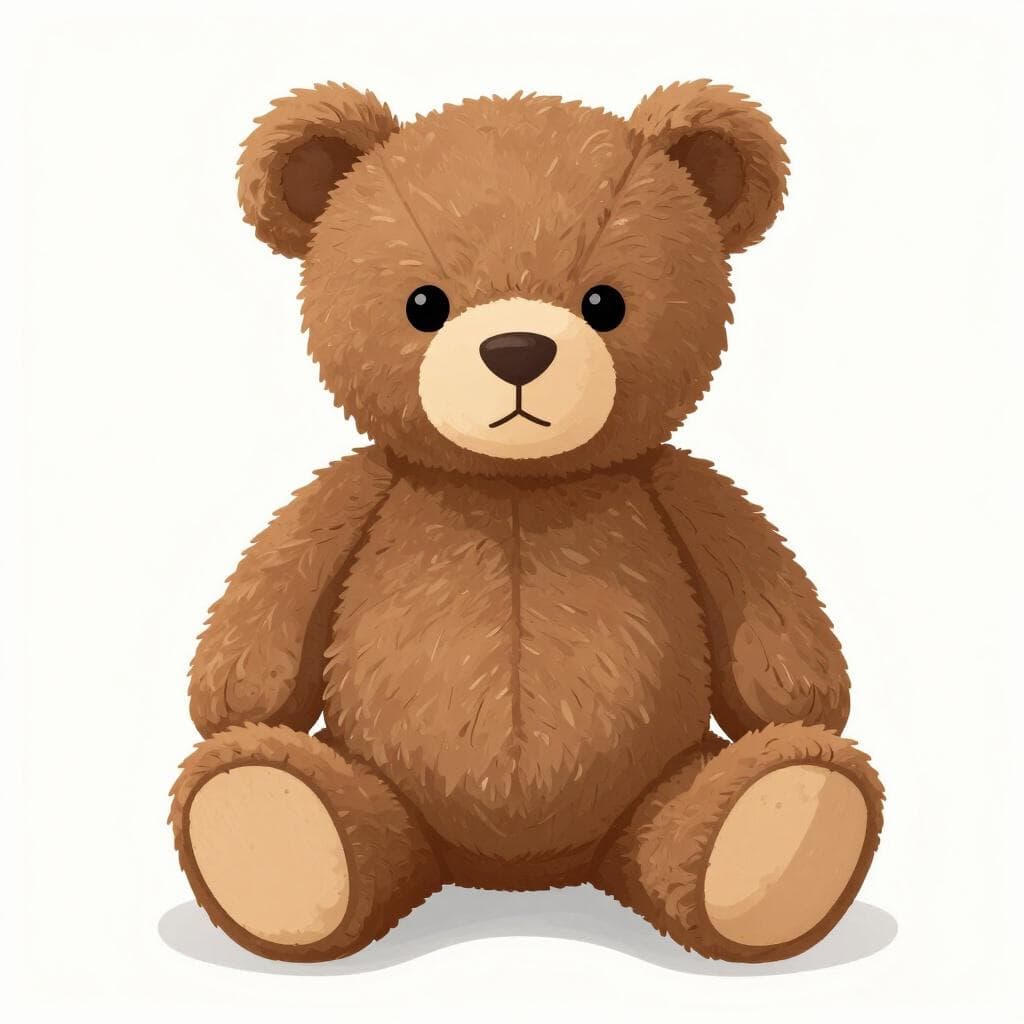
stuffed animalAlso: plushie, soft toy
📝 In Action
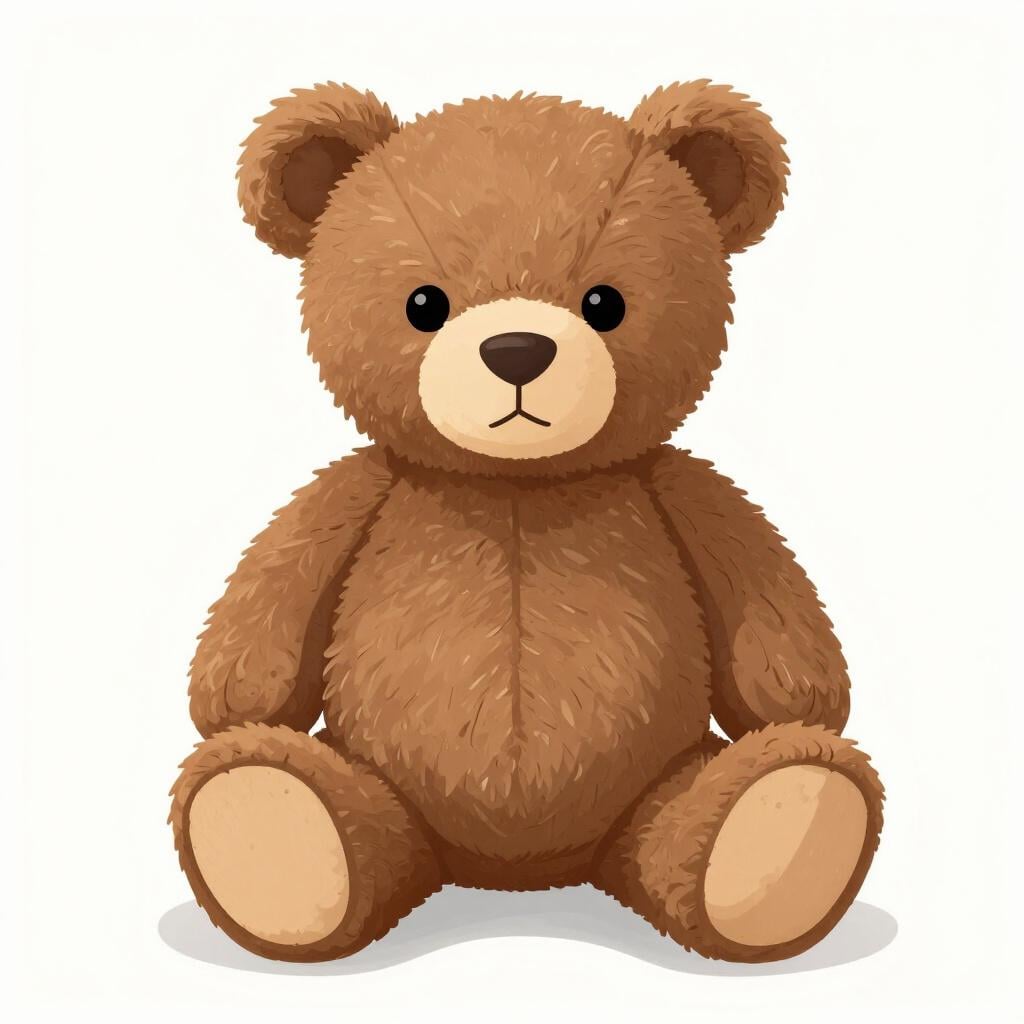
El niño duerme con su oso de peluche favorito.
A1The boy sleeps with his favorite teddy bear.
Mi habitación está llena de peluches de animales.
A2My room is full of stuffed animals.
Le regalé un peluche gigante por su cumpleaños.
B1I gave her a giant plushie for her birthday.
Word Connections
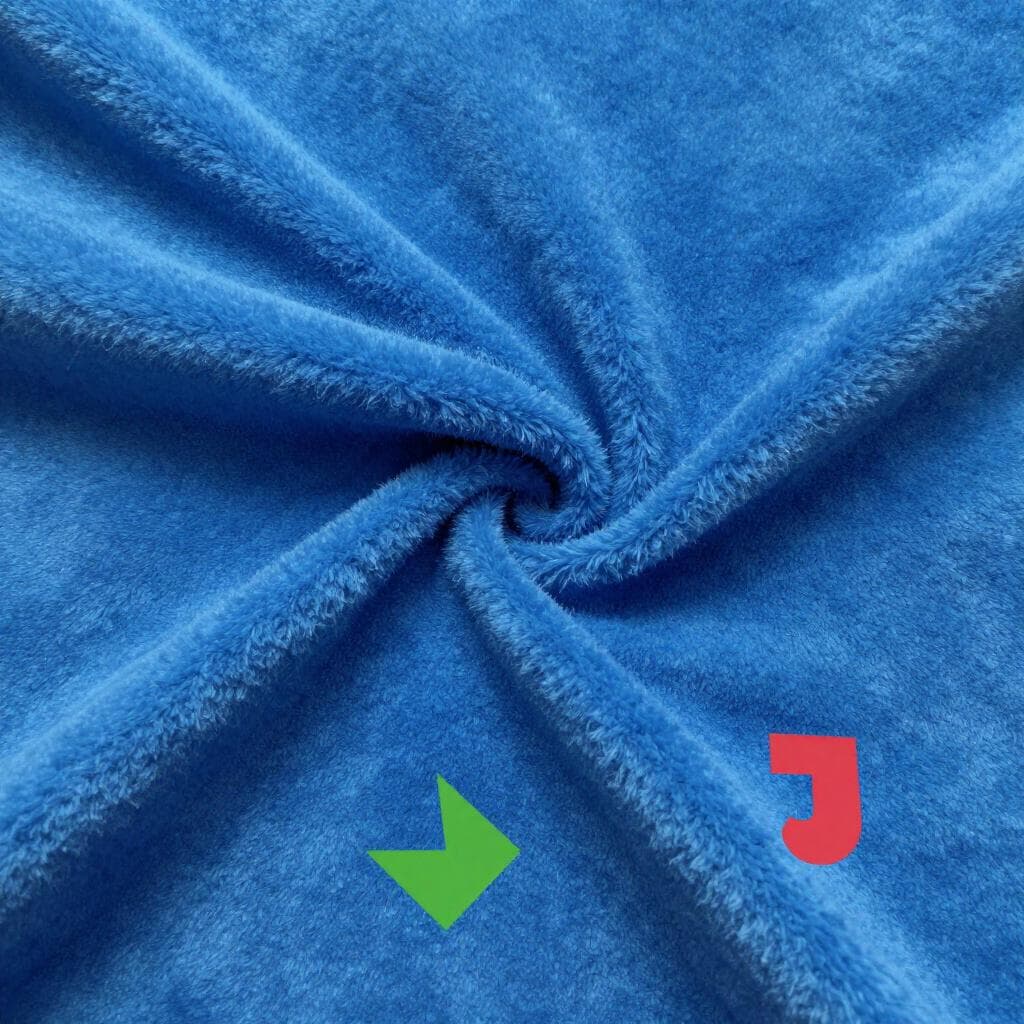
plush
📝 In Action
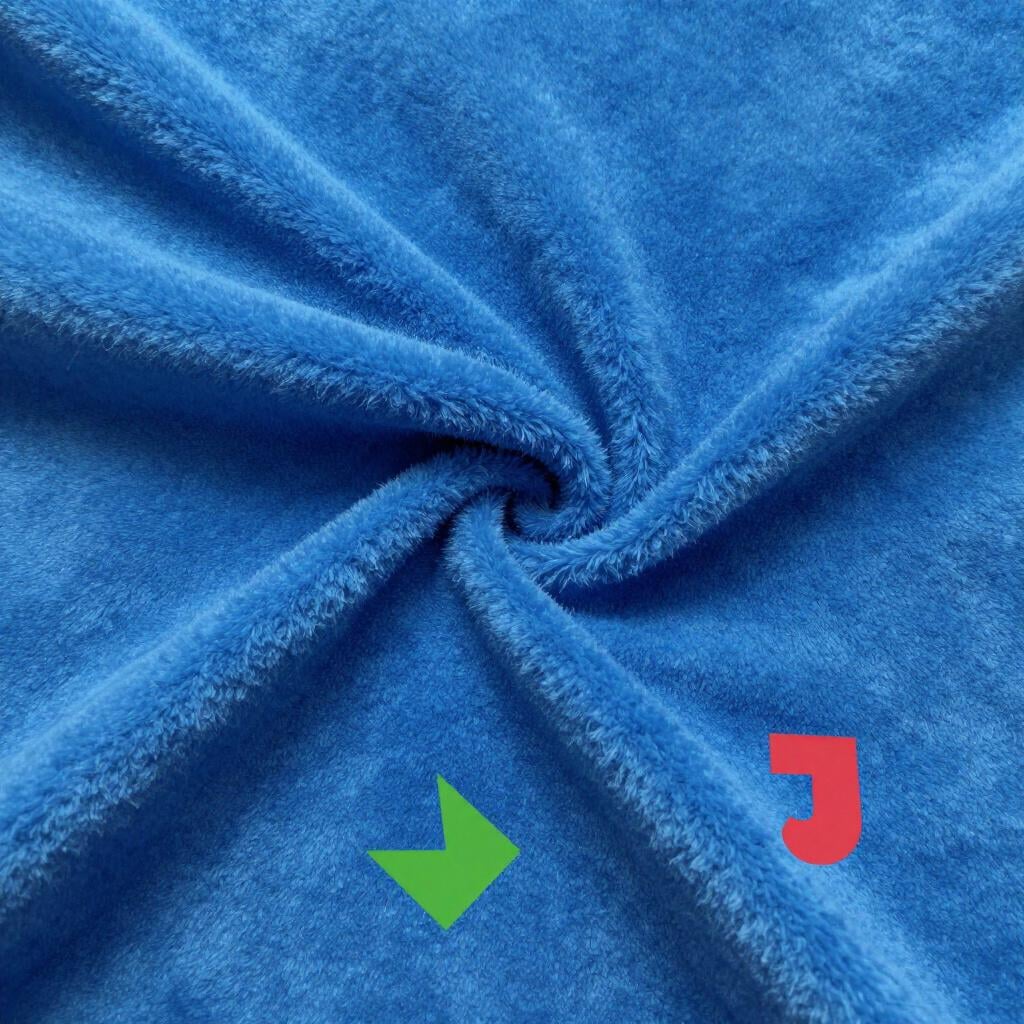
Este abrigo tiene un forro de peluche muy cálido.
B1This coat has a very warm plush lining.
La tela de peluche se usa mucho para mantas infantiles.
B2Plush fabric is often used for children's blankets.
Word Connections
Translate to Spanish
Words that translate to "peluche" in Spanish:
✏️ Quick Practice
Quick Quiz: peluche
Question 1 of 3
How would you say 'teddy bear' in Spanish?
📚 More Resources
👥 Word Family
🎵 Rhymes
📚 Etymology
Borrowed from the French word 'peluche,' which comes from 'poil' (hair) and the Latin 'pilus.' It originally described the shaggy texture of the fabric before it became the name for the toys made from it.
First recorded: 19th century
Cognates (Related words)
💡 Master Spanish
Take your Spanish to the next level. Read 200+ illustrated and narrated Spanish stories tailored to your level with the Inklingo app!
Frequently Asked Questions
Does 'peluche' only refer to bears?
No, while 'oso de peluche' is the most common, 'peluche' can refer to any stuffed animal, like a dog, cat, or even a unicorn.
What is the plural of 'peluche'?
The plural is 'peluches'. You simply add an 's' because the word ends in a vowel.
Is it a child's word or can adults use it?
It is a standard word used by everyone. While the objects are often for children, the word itself is the neutral, adult term for those items.