peludo
“peludo” means “hairy” in Spanish. It has 3 different meanings depending on context:


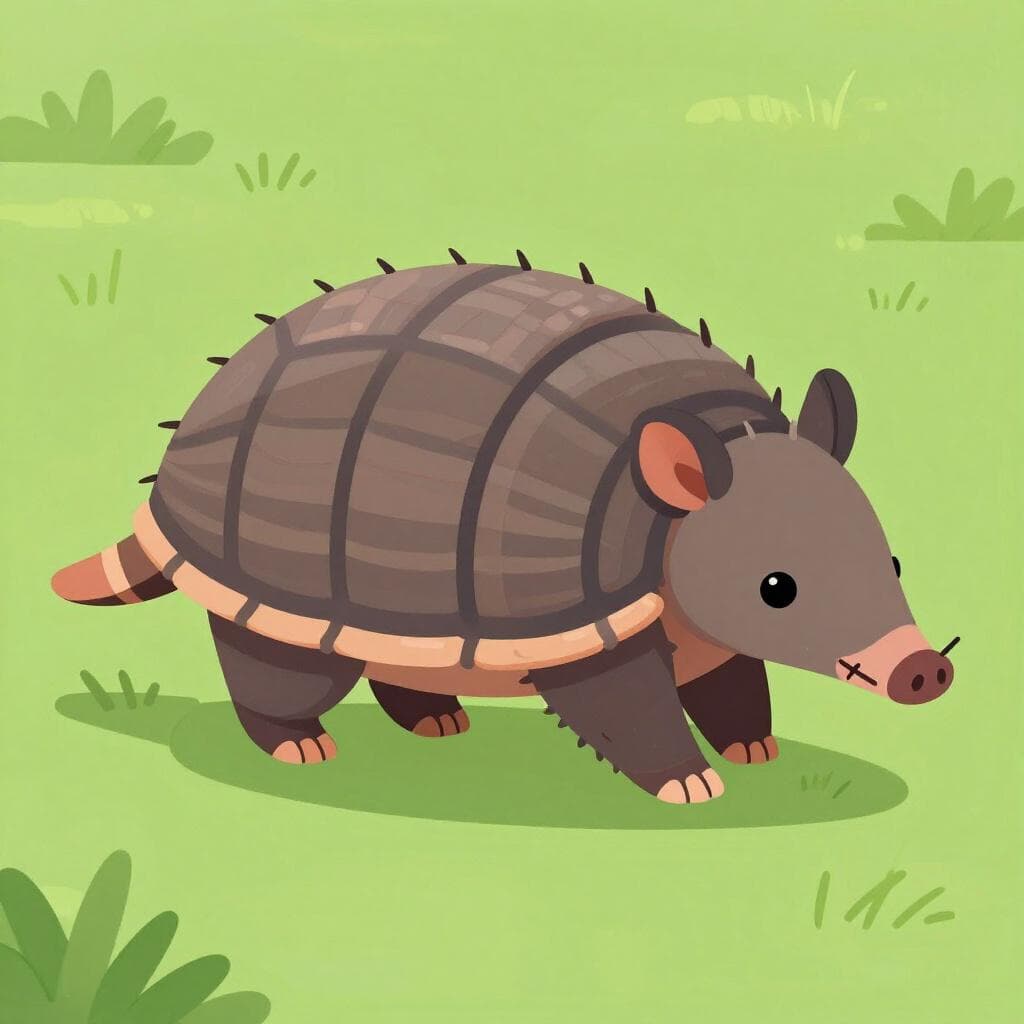
hairy, furry
Also: shaggy
📝 In Action
Mi perro es muy peludo y suave.
A1My dog is very furry and soft.
Ese hombre tiene el pecho peludo.
A2That man has a hairy chest.
Compré una alfombra peluda para la sala.
B1I bought a shaggy rug for the living room.
difficult, tricky
Also: hairy
📝 In Action
El examen de matemáticas estuvo bien peludo.
B2The math exam was really difficult.
La situación se puso peluda cuando llegó la policía.
C1The situation got hairy when the police arrived.
Está peludo terminar este trabajo para mañana.
B2It's going to be tough to finish this work by tomorrow.
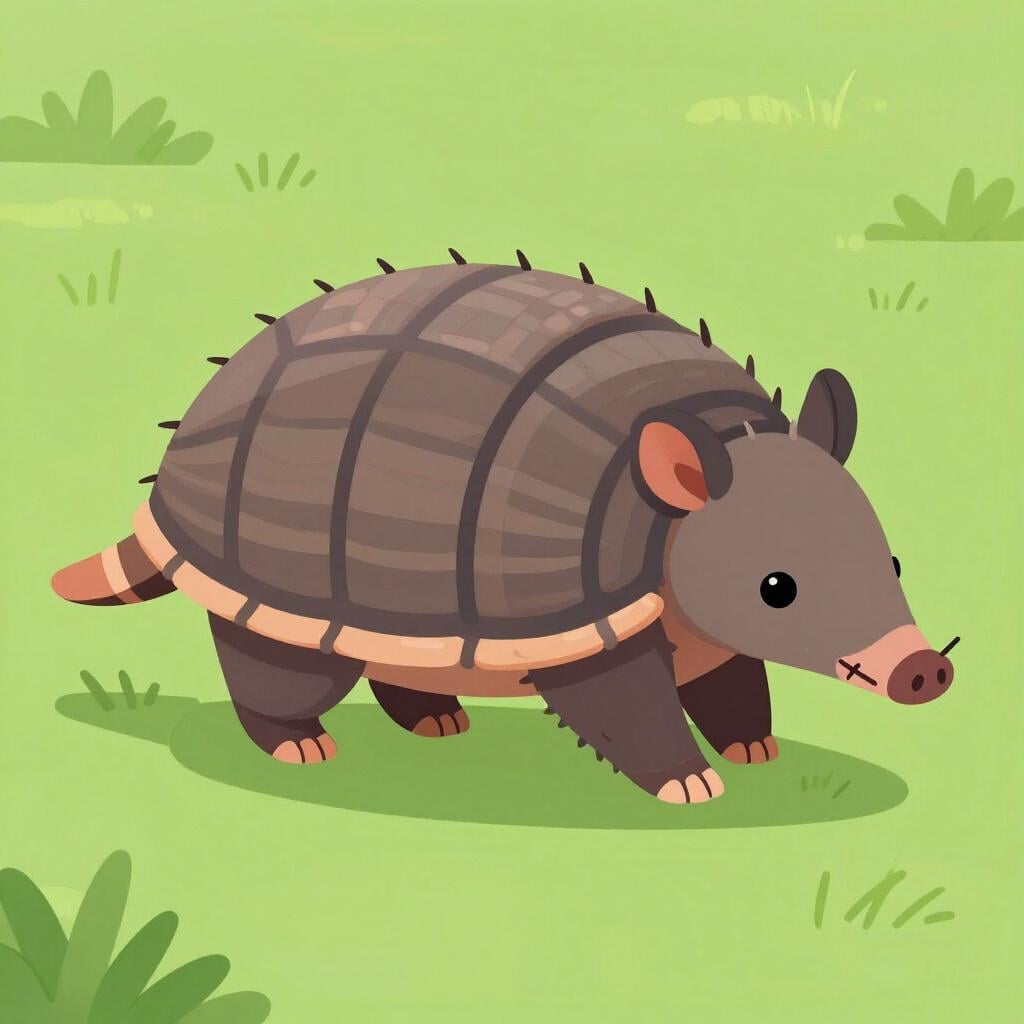
armadillo
📝 In Action
Vimos un peludo corriendo por el campo.
C1We saw an armadillo running through the field.
Translate to Spanish
✏️ Quick Practice
Quick Quiz: peludo
Question 1 of 3
How would you describe a dog with a lot of fur?
📚 More Resources
👥 Word Family▼
📚 Etymology▼
From the Spanish word 'pelo' (hair), which comes from the Latin 'pilus'. The suffix '-udo' is used in Spanish to indicate having an abundance of something.
First recorded: 13th century
Cognates (Related words)
💡 Master Spanish
Take your Spanish to the next level. Read 200+ illustrated and narrated Spanish stories tailored to your level with the Inklingo app!
Frequently Asked Questions
Can I use 'peludo' for the hair on my head?
Not really. Use 'pelo largo' (long hair) or 'mucho pelo'. 'Peludo' describes the body, animals, or objects.
Is 'peludo' an insult?
Usually no, it's just descriptive. However, like any word about appearance, use it politely!
What's the difference between 'peludo' and 'velludo'?
'Peludo' is more common and general. 'Velludo' specifically refers to 'vello' (the shorter, finer hair found on the arms or chest).