bebes
“bebes” means “you drink” in Spanish. It has 2 different meanings depending on context:

you drinkAlso: you are drinking

📝 In Action
¿Qué bebes en el desayuno?
A1What do you drink for breakfast?
Si bebes mucha agua, te sentirás mejor.
A2If you drink a lot of water, you will feel better.
Word Connections
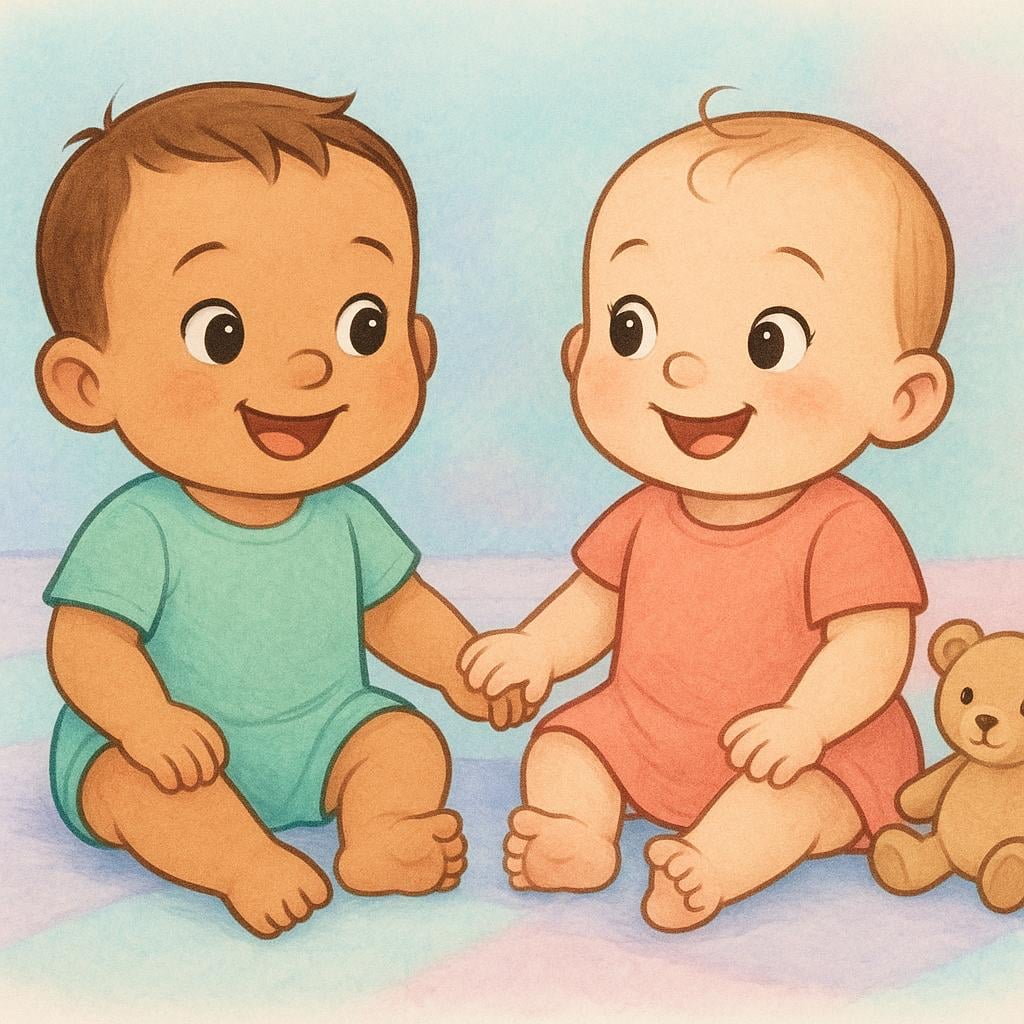
babiesAlso: tots
📝 In Action
Hay dos bebes durmiendo en la cuna.
A1There are two babies sleeping in the crib.
Los bebes necesitan mucha atención.
A1Babies need a lot of attention.
Word Connections
Indicative
Present
Imperfect
Preterite
Subjunctive
Present Subjunctive
Imperfect Subjunctive
✏️ Quick Practice
Quick Quiz: bebes
Question 1 of 2
Which sentence uses 'bebes' as a verb?
📚 More Resources
👥 Word Family
📚 Etymology
The verb form 'bebes' comes directly from the Latin verb *bibere* (to drink). The noun form 'bebes' is the plural of 'bebé,' which entered Spanish from French (*bébé*), ultimately an imitation of the sounds babies make.
First recorded: Both roots are ancient, but the verb form is recorded in Old Spanish texts. The modern noun 'bebé' gained widespread use in the 18th century.
Cognates (Related words)
💡 Master Spanish
Take your Spanish to the next level. Read 200+ illustrated and narrated Spanish stories tailored to your level with the Inklingo app!
Frequently Asked Questions
How do I know if 'bebes' means 'you drink' or 'babies'?
Context is key! If it follows the word 'tú' (you) or is the main action in the sentence, it's the verb 'you drink'. If it is preceded by an article like 'los' or 'unos' (the, some), or if it's the subject of a sentence that talks about crying or sleeping, it's the noun 'babies'.
Is 'bebes' pronounced differently when it's the verb versus the noun?
No, they sound exactly the same! This is why context is so important in Spanish. Both are pronounced with stress on the first syllable: BEH-bes.