How to Say "you drink" in Spanish
The most common Spanish word for “you drink” is “bebes” — use 'bebes' when referring to the act of consuming a beverage in the present, typically in an informal, singular context.
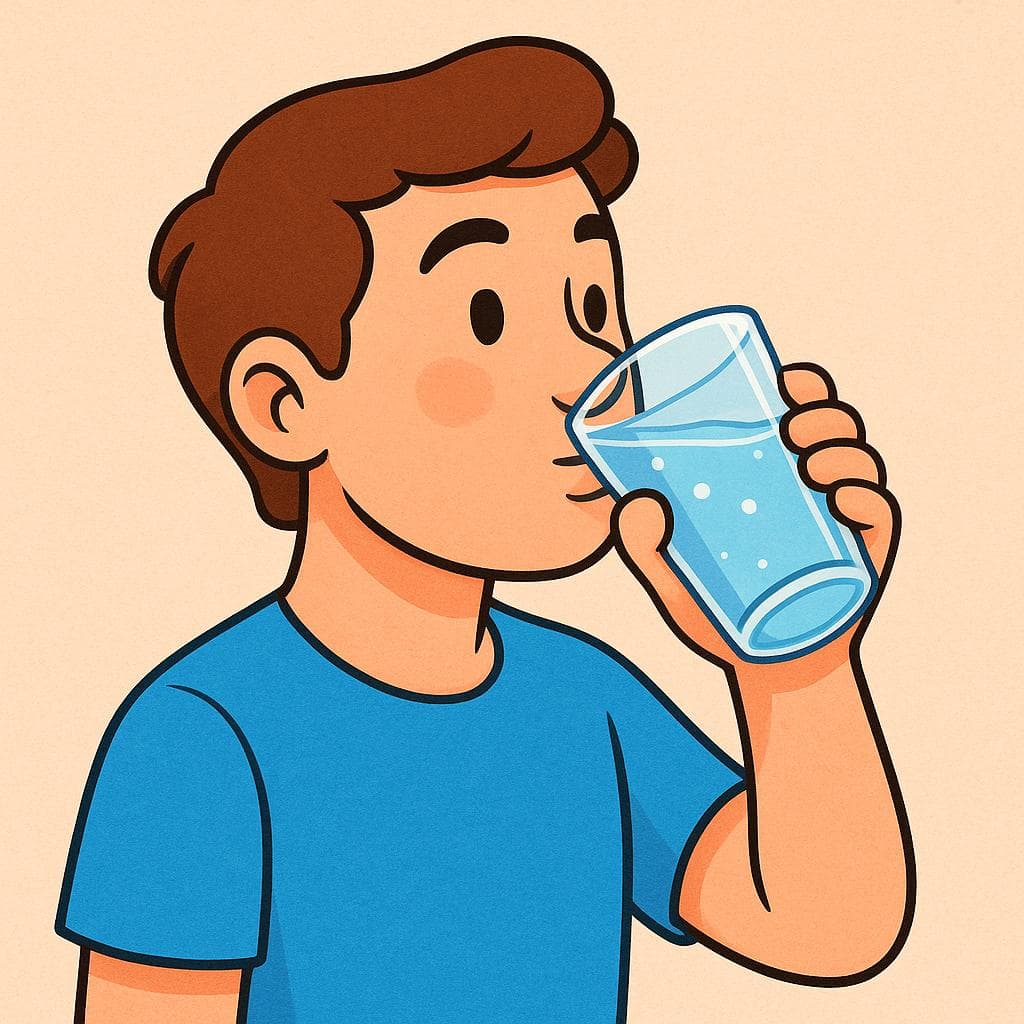
Use 'bebes' when referring to the act of consuming a beverage in the present, typically in an informal, singular context.
Learn more →
Use 'tomas' (the tú form of 'tomar') for 'you drink' when referring to consuming liquids or even taking medication, often interchangeably with 'bebes' in informal contexts.
Learn more →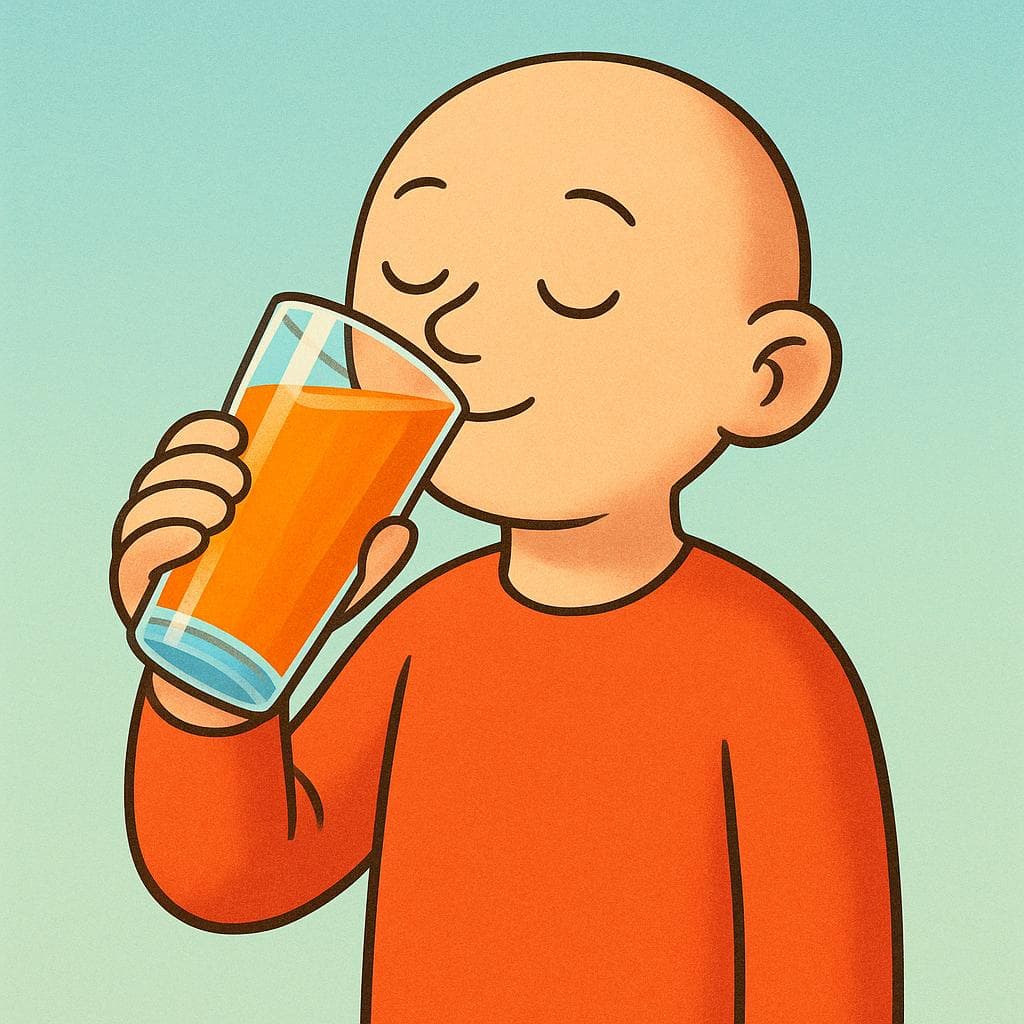
Use 'tomes' when you are suggesting, recommending, or commanding someone (informally) to drink something, as it's in the present subjunctive mood.
Learn more →BEH-bes'be.βes
Examples
¿Qué bebes en el desayuno?
What do you drink for breakfast?
Si bebes mucha agua, te sentirás mejor.
If you drink a lot of water, you will feel better.
The Informal 'You'
'Bebes' is always used when talking directly to one person you know well, like a friend or child (the 'tú' form). For formal situations, you would use 'bebe' (usted).
Regular -ER Verb
This verb follows the most common pattern for verbs ending in -ER. Once you learn 'beber,' you can conjugate hundreds of others like 'comer' (to eat) and 'leer' (to read).
Mixing up 'tú' and 'yo'
Mistake: “Using 'yo bebes' instead of 'yo bebo'.”
Correction: Remember the 'yo' form usually ends in -o ('bebo'), and the 'tú' form usually ends in -es ('bebes').
TOH-mahsˈto.mas
Examples
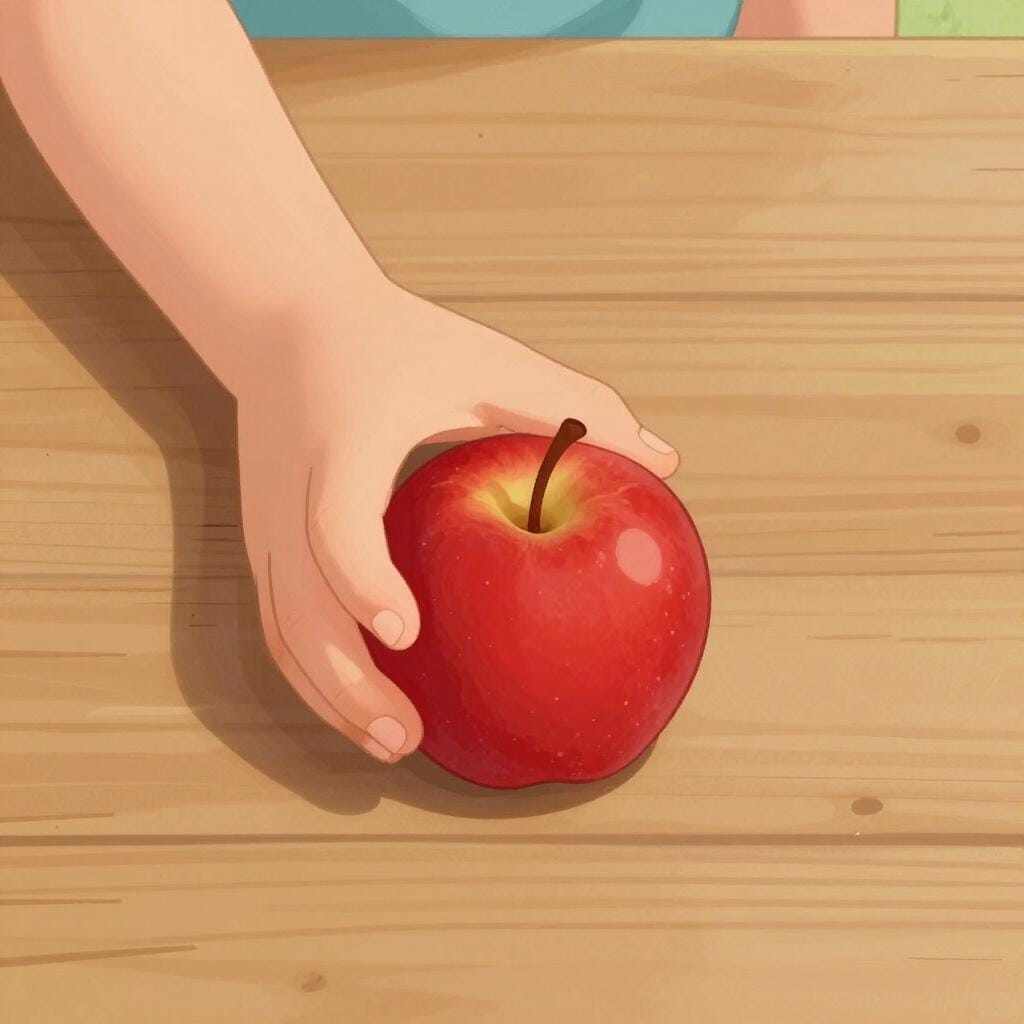
¿Qué tomas para el resfriado?
What are you taking for your cold?
Si tienes sed, ¿qué tomas?
If you are thirsty, what do you drink?
Tú siempre tomas el autobús de las ocho.
You always catch the eight o'clock bus.
The 'Tú' Form
This form is used when talking directly to a single person you know well or are informally addressing. It ends in '-as' for regular -AR verbs.
Taking vs. Drinking
'Tomar' covers both 'to take' (an object, a bus, a picture, a decision) and 'to drink' (coffee, water, alcohol). Context is key!
Confusing 'Tú' and 'Usted'
Mistake: “Using 'tomas' when addressing an elder or boss (instead of 'toma' for Usted).”
Correction: Remember 'tomas' is informal. Use 'toma' (the 'él/ella/usted' form) for formal situations.
TOH-messˈtomes
Examples
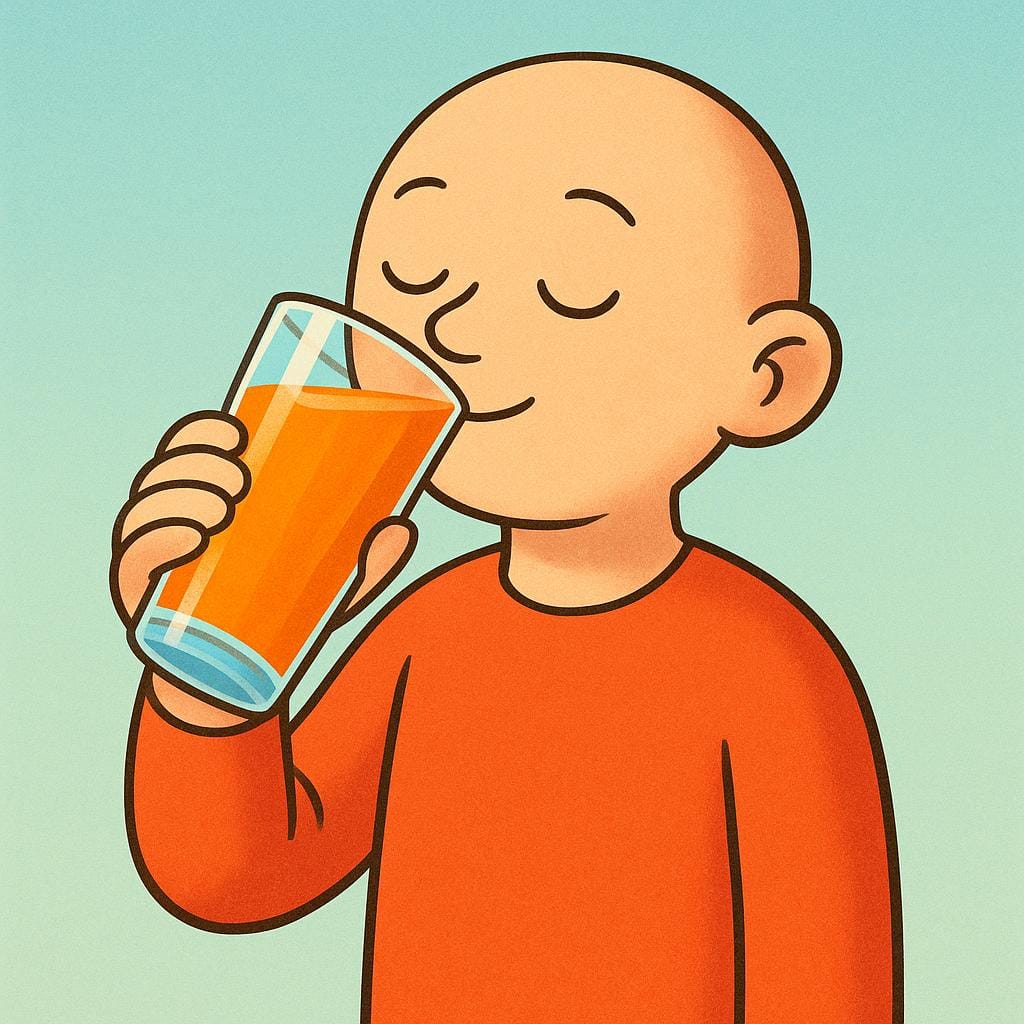
Te sugiero que tomes agua antes de ir al gimnasio.
I suggest that you drink water before going to the gym.
¡No tomes tanto café! Te va a dar dolor de cabeza.
Don't drink so much coffee! It's going to give you a headache.
Drinking vs. Eating
In many regions, 'tomar' is preferred over 'beber' when talking about having a casual drink, like coffee or a beer, similar to saying 'to have' in English.
Bebes vs. Tomes
Learners often confuse 'bebes' and 'tomes' because both relate to drinking. Remember that 'bebes' is a direct statement about current drinking, while 'tomes' is used for suggestions or commands in the subjunctive mood, indicating a desired action rather than a current one.
Related Translations
Learn Spanish with Inklingo
Interactive stories, personalized learning, and more.