How to Say "you grab" in Spanish
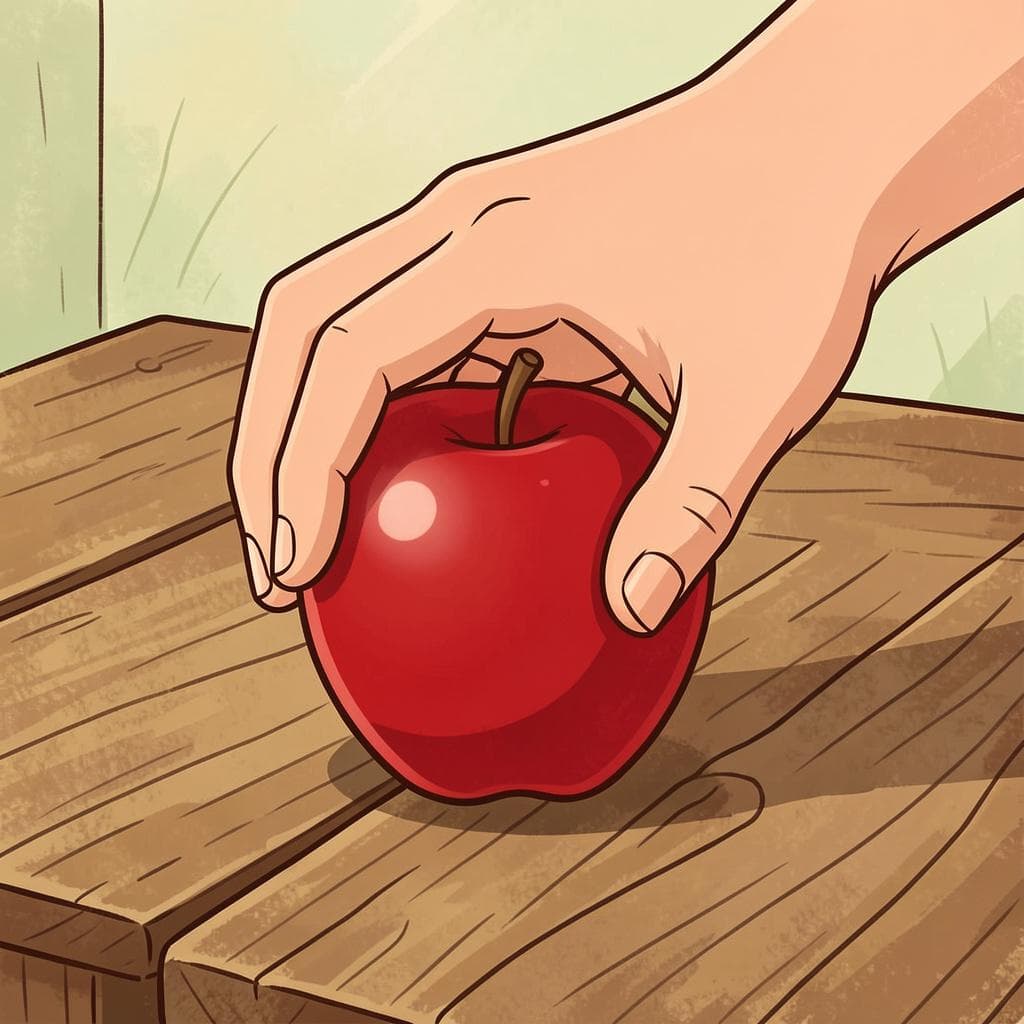
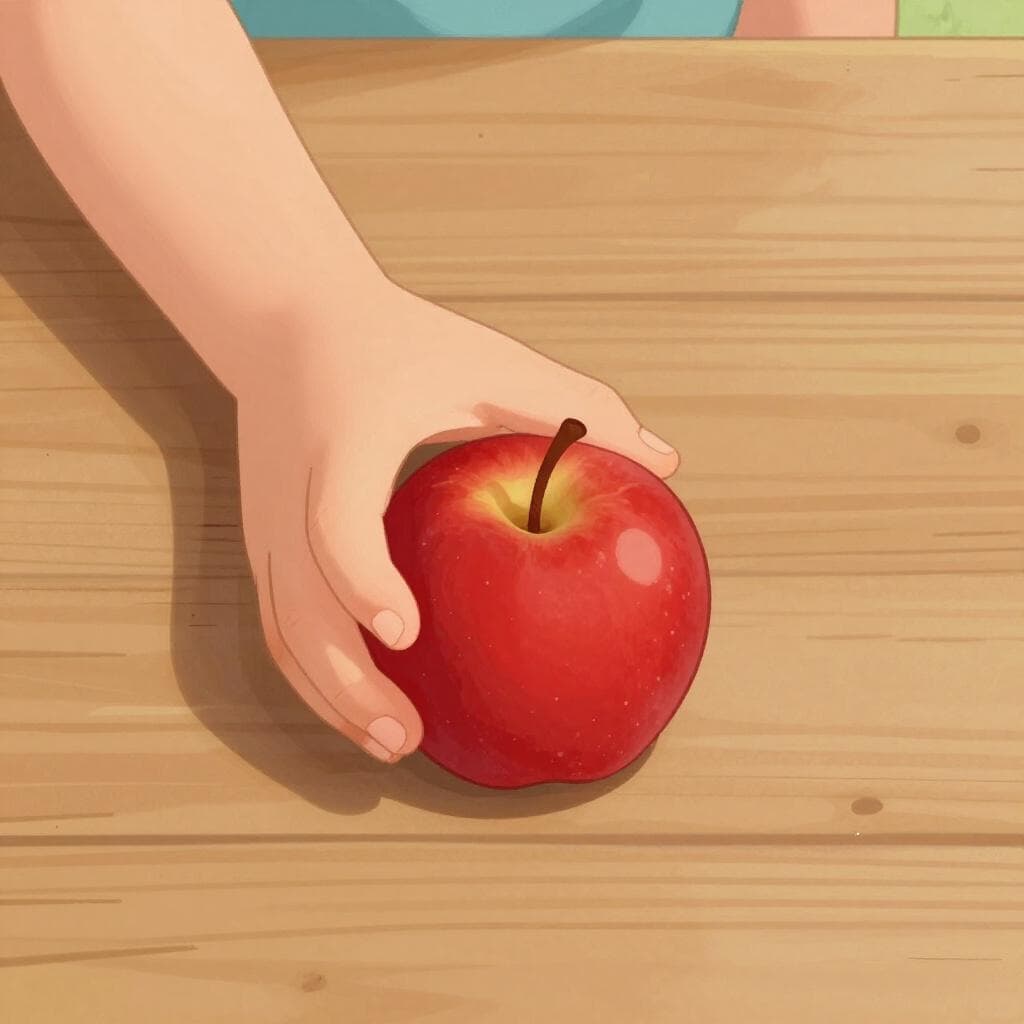
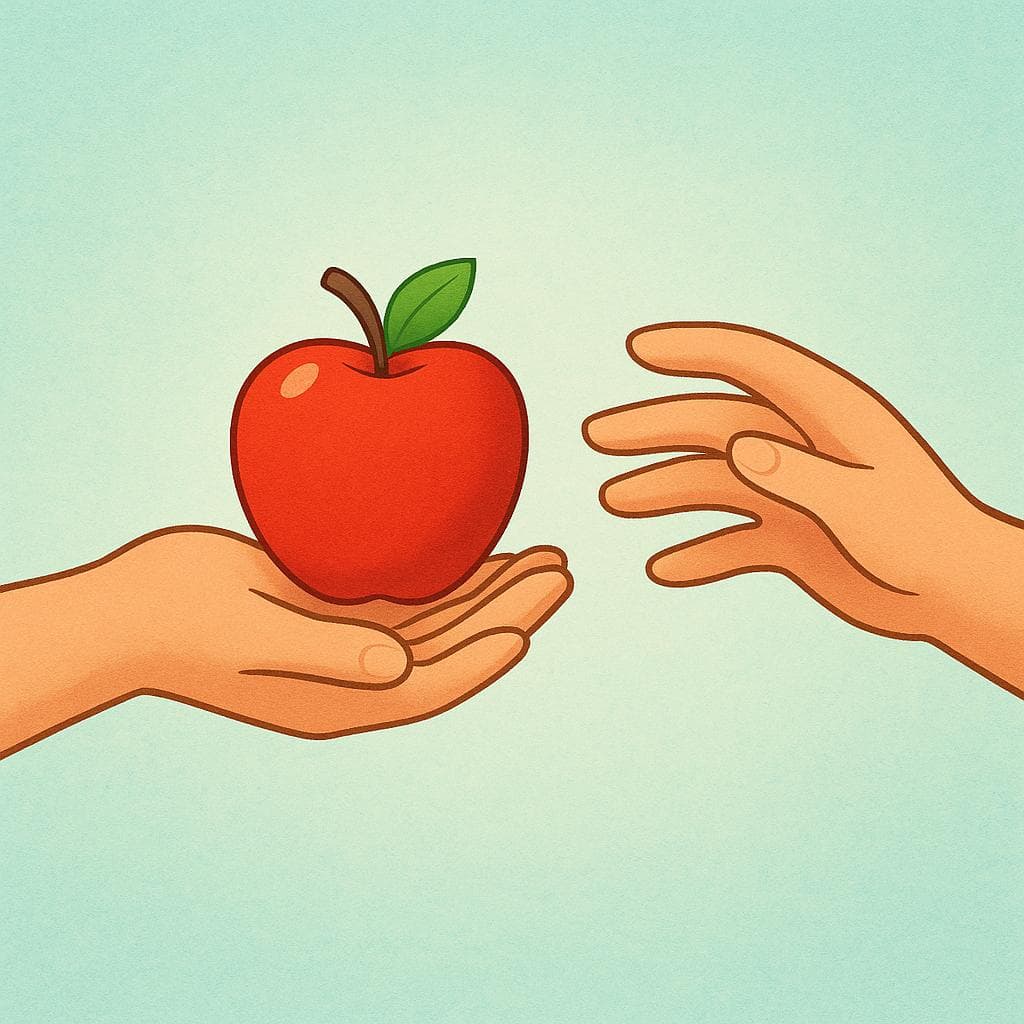
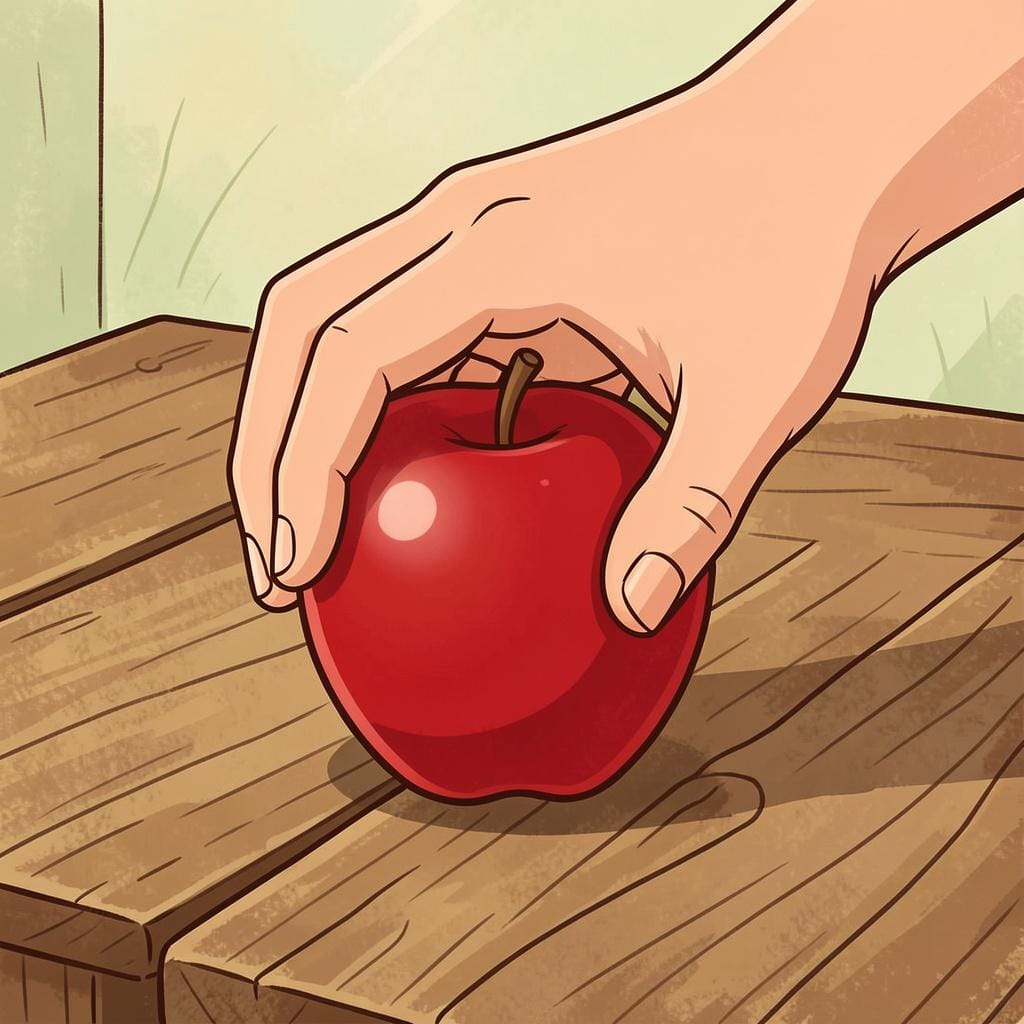
The most common Spanish word for “you grab” is “coges” — use 'coges' when referring to the physical act of grasping or taking something with your hand, like picking up an object.
coges
ko-hesˈkoxes
Examples
Tú coges las llaves de la mesa.
You take the keys from the table.
Si no coges el paraguas, te vas a mojar.
If you don't grab the umbrella, you're going to get wet.
The 'G' to 'J' Switch
When you use the 'I' form (yo) or the special 'wishes/commands' form (subjunctive), the 'g' changes to a 'j' (cojo, coja) to keep the 'h' sound. In 'coges', the 'g' stays because it's followed by an 'e'.
The Latin American 'Warning'
Mistake: “Using 'coges' in Mexico or Argentina to mean 'you pick up'.”
Correction: Use 'tomas' or 'agarras' instead in these countries to avoid being accidentally vulgar.
tomas
TOH-mahsˈto.mas
Examples
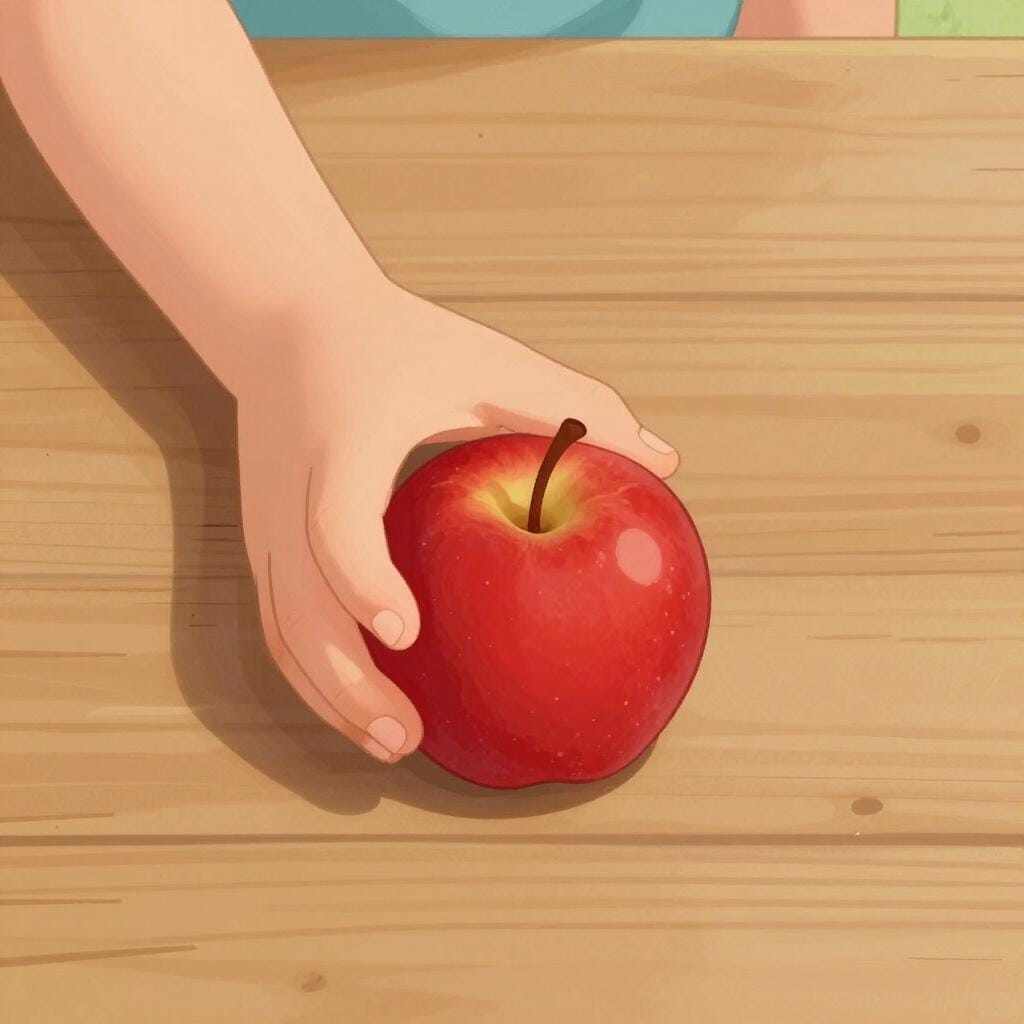
¿Qué tomas para el resfriado?
What are you taking for your cold?
Si tienes sed, ¿qué tomas?
If you are thirsty, what do you drink?
Tú siempre tomas el autobús de las ocho.
You always catch the eight o'clock bus.
The 'Tú' Form
This form is used when talking directly to a single person you know well or are informally addressing. It ends in '-as' for regular -AR verbs.
Taking vs. Drinking
'Tomar' covers both 'to take' (an object, a bus, a picture, a decision) and 'to drink' (coffee, water, alcohol). Context is key!
Confusing 'Tú' and 'Usted'
Mistake: “Using 'tomas' when addressing an elder or boss (instead of 'toma' for Usted).”
Correction: Remember 'tomas' is informal. Use 'toma' (the 'él/ella/usted' form) for formal situations.
tomes
TOH-messˈtomes
Examples
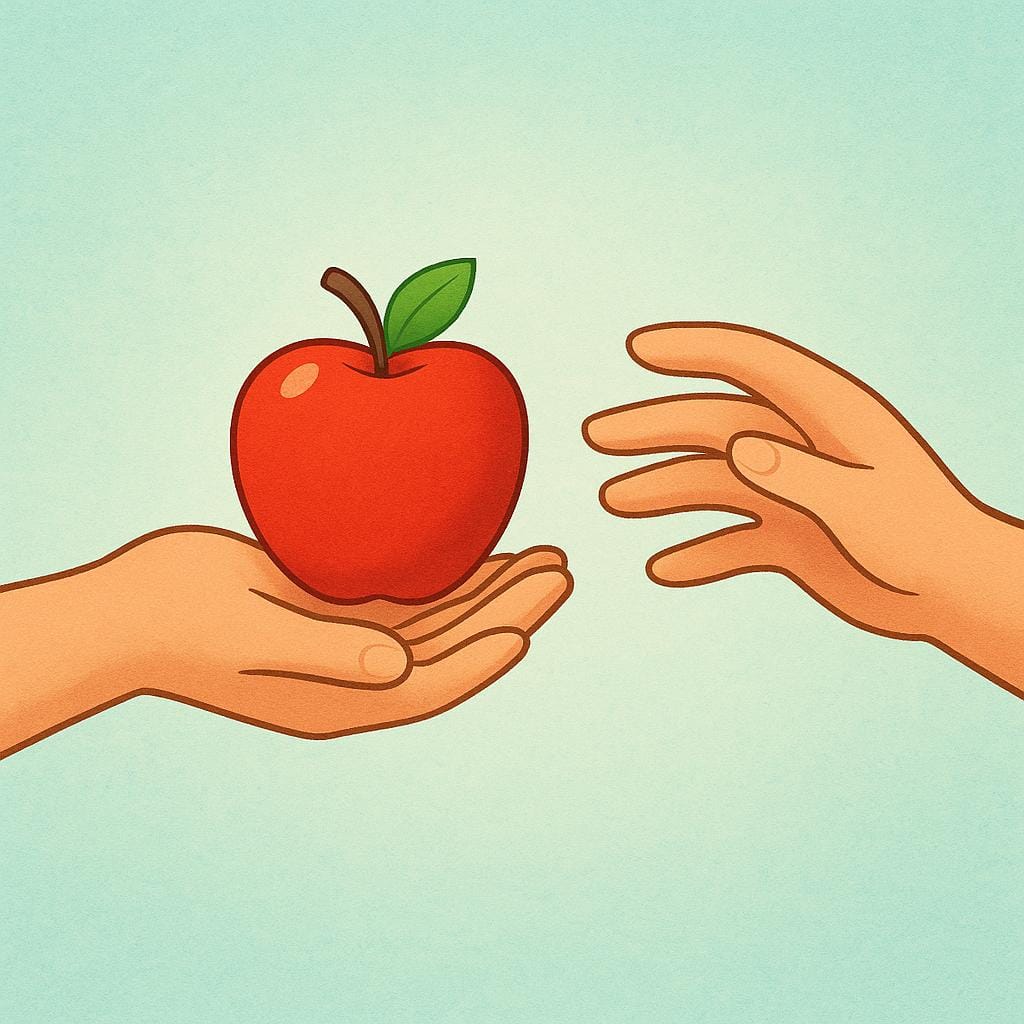
Espero que tomes el paraguas si va a llover.
I hope that you take the umbrella if it's going to rain.
No tomes esa decisión sin pensarlo bien.
Don't take that decision without thinking it through well.
¿Quieres que tomes un taxi para llegar más rápido?
Do you want me to get a taxi so you can arrive faster?
When to Use 'Tomes'
'Tomes' is a special verb form used when you are talking to 'tú' (you, informal) about a wish, a doubt, or a suggestion. It often follows words like 'que' (that) or verbs of wishing (querer, esperar).
Negative Commands
To tell someone 'tú' not to do something (a negative command), you must use 'tomes' instead of the usual 'tomas.' Example: 'No tomes mi libro' (Don't take my book).
Mixing Command Forms
Mistake: “No tomas mi dinero.”
Correction: No tomes mi dinero. (The negative command for 'tú' always uses the special 'tomes' form.)
Choosing between 'coges' and 'tomas'
Related Translations
Learn Spanish with Inklingo
Interactive stories, personalized learning, and more.